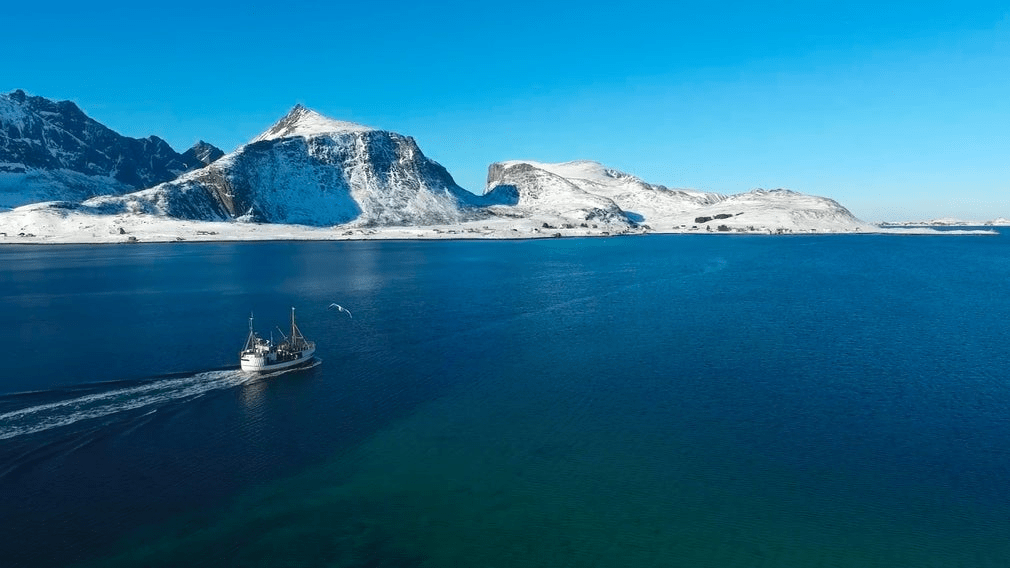
Grill it, fry it, boil it, or why not make an exclusive cod carpaccio? Taking care of cod, where it is fished, and how it lives in the wild is essential for future generations of people. Charlotte Rapp, Manager Sweden at the Norwegian Seafood Council, shares more about the impact of Norwegian cod.
The Norwegian cod comes from the Barents Sea, which is considered a well-managed cod stock. It contributes to a secure food supply of healthy and tasty food for a growing global population both today and in the future.

Additionally, cod is important from a social perspective. Charlotte Rapp points out that the sea and cod are crucial for small coastal communities, many of them in the northernmost parts of Norway. Cod can contribute to employment and economic development in sparsely populated areas.
The social sustainability dimensions are significant, and fishing helps create jobs along the coast, which in turn fosters economically and socially sustainable communities for those living there.
For the cod to thrive, nature must be the starting point. It is nature that sets the limits on how much we can fish.
“For us, it is vital not to harvest more fish than what the various stocks can handle to regenerate. To achieve this, we need information on catch statistics and monitoring of fish stocks,” says Charlotte Rapp.
3 Things You May Not Know About Norwegian Seafood Cod
1. Making Use of Everything
When cod is processed, nothing goes to waste – the entire fish is utilized. Cod roe and liver are used to make “mølje,” a real vitamin bomb. Since cod in Norway swims freely in the icy waters, it develops strong muscles and firm flesh.

2. Good for Health
According to the new Nordic nutrition recommendations, we should eat 300-450 grams of fish per week. Norwegian Arctic cod is rich in protein, antioxidants, and vitamins. Cod can be used both for everyday meals and special occasions. Fish sticks, salted cod, or a classic fish gratin are just a few examples of dishes that many people enjoy.
3. Regulated Fishing
Norway has highly regulated fishing monitored by authorities. Fisheries violations are considered serious crimes and can result in severe penalties. Many people confuse Norwegian cod with Baltic cod, which is on the red list. Quotas are based on a meticulous process in which researchers at the Institute of Marine Research provide advice to the authorities, who then set the final quotas after international negotiations.
FACTS: Seafood from Norway
Norway has ideal conditions for both small and large fish, shellfish, and other marine organisms and is the world’s second-largest exporter of seafood. Thanks to the Gulf Stream, which brings warm water from the Gulf of Mexico across the Atlantic and then flows north along the Norwegian coast into the icy waters of the Arctic.
Tip! Check the packaging to find out if the seafood comes from Norway.

Leave a comment