
In late July 2025, Stockholm emerged as a critical theatre in global trade diplomacy as top officials from the United States and China convened in the Swedish capital for intensive negotiations. The aim: to secure an extension of the current tariff truce set to expire on August 12—a sobering marker in wider economic friction that threatens global stability.
China’s Vice Premier He Lifeng led the Chinese delegation, while U.S. Treasury Secretary Scott Bessent and Trade Representative Jamieson Greer represented Washington. The talks were described on both sides as “candid, constructive and in-depth,” signalling cautious optimism even as significant gaps remained.
Chief among the key outcomes was an agreement to explore a possible extension of the tariff pause, though no concrete commitments were finalized during the Stockholm sessions. Vice Premier Li Chenggang emphasized that both sides had agreed to “work toward extending a pause on mutual tariffs”, while Bessent stressed that the U.S. team would consult with President Trump before any decision is made.
Negotiators have reportedly discussed the prospect of a 90-day extension, which would serve as a bridge to more comprehensive agreements addressing agriculture, energy, and manufacturing trade imbalances.
The IMF has weighed in amid emerging signs that global economic growth is being hampered by prolonged trade tensions. In its recent update, the Fund cautioned that uncertainty around U.S. trade policy and escalating tariffs could restrain inflation and in turn depress global GDP. The IMF modestly upgraded its global growth outlook to around 3% for 2025—but continued to flag downside risks if volatility persisted.
Sweden’s Prime Minister Ulf Kristersson played a discreet but important role as host and interlocutor. During the Stockholm meeting, he publicly endorsed a broader U.S.–EU trade initiative that aligns with Swedish strategic interests. His support, expressed via comments cited by Bessent, underscored Sweden’s desire to act as a mediator and anchor of European stability in geopolitics.
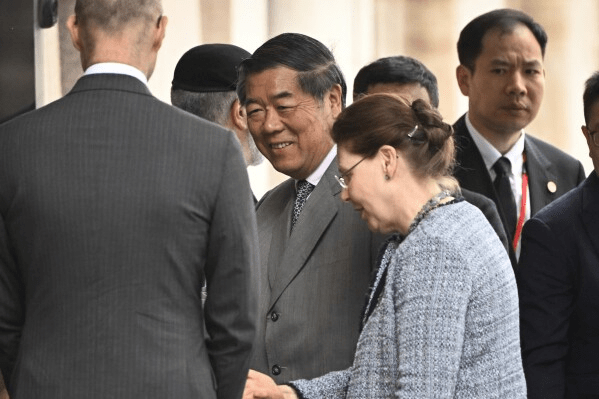
Analysts believe the Stockholm talks mark a pivotal inflection point. With tariffs on Chinese imports at 30% and Chinese duties on U.S. goods at 10%, pressure is mounting to avoid further escalation. Transparency around the specifics of any extension remains limited, but if stockpiled tariffs are delayed, global markets could find breathing room, at least in the short term.
As trade ministers concluded their meetings, observers noted that Stockholm’s diplomatic profile has quietly risen. The city’s ability to host sensitive negotiations with relative political neutrality, alongside maintaining a strong global brand in sustainability, gives Sweden updated soft power.
Looking ahead, all eyes are on whether a follow-up summit between President Trump and President Xi might materialize later in the year. That meeting could lock in longer-term accords—or confirm that only a temporary pause is possible amid domestic political pressures on both sides.
In total, Stockholm’s role in these negotiations—while modest in scale—could bear large consequences for global trade trajectories, economic confidence, and geopolitical alignments.

Leave a comment