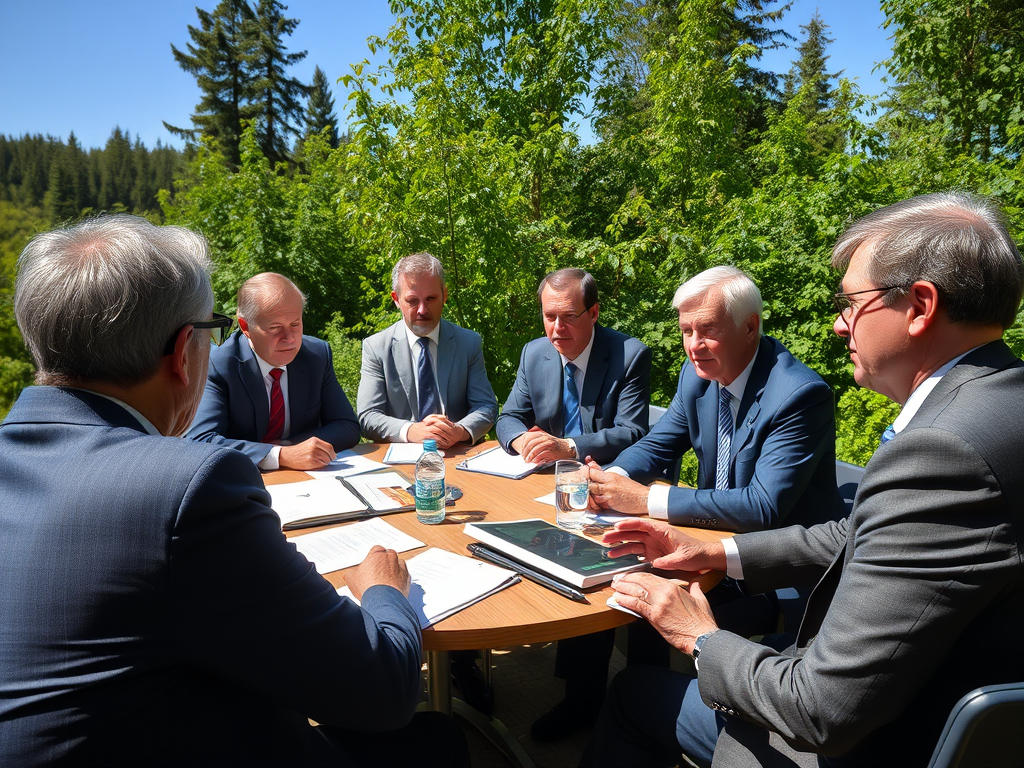
Stockholm / Brussels, September 2025 — Sweden, along with Finland, has formally urged the European Union to revise its current forestry-related climate targets, arguing that some recently adopted goals are increasingly unattainable and risk harming regional economies.
What They’re Proposing
In a letter to EU Commission President Ursula von der Leyen, both nations challenged the mandate that Sweden must increase its forests’ carbon dioxide absorption by 4 million tonnes annually by 2030, while Finland’s requirement stands at 3 million tonnes. They argue that climate change (especially rising temperatures and shifting seasonal patterns) is reducing tree growth rates, and that other pressures — including high demand for wood products triggered by the war in Ukraine — are further straining forest ecosystems.
Economic and Sectoral Impacts
Forestry is a critical sector in Sweden, covering about 70% of its landmass and forming a key part of the nation’s exports and rural jobs. Tight targets that limit logging or require intensive reforestation could affect both commercial forestry operations and communities dependent on forest work. Sweden and Finland argue that some EU restrictions may under-value the role of sustainable harvesting and forested product industries in substituting fossil materials and supporting rural livelihoods.
Environmental and Scientific Concerns
Scientists have supported the view that growth rates in trees have slowed in many parts of northern Europe due to climate stressors like drought, pests, and changing day-length cycles. Moreover, monoculture plantations and over-simplified forest policies undermine biodiversity and long-term carbon sequestration. Sweden’s appeals stress that EU policy must reflect ecological realities, not only climate goals.
Diplomatic Fallout and Policy Options
The push for changes may prompt heated negotiations within the European Commission and among member states. Some countries favor more aggressive targets in line with net-zero agendas, whereas others (especially with large forestry sectors or cold climates) may sympathize with the concerns Sweden and Finland have raised. Possible policy adjustments include more nuanced growth allowances, differentiated targets by geography, or more support for sustainable forestry techniques.
Broader Implications
How the EU responds could set precedents for balancing climate ambition with economic realism, especially for nations whose geography or industry make standard targets hard to meet. It could also influence funding mechanisms (e.g., cohesion or rural development funds) to help offset adjustment costs for forest industry workers and rural regions.

Leave a comment