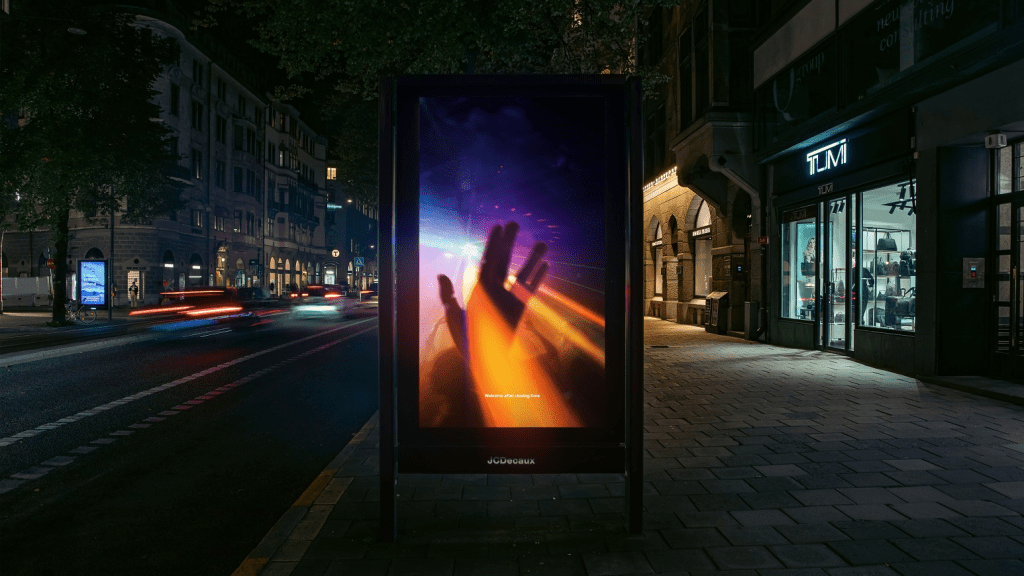
In a cultural and consumer-behavior shift that encapsulates broader changes in Sweden’s nightlife, McDonald’s Sweden has introduced a new concept that blends late-night fast-food with post-club dining. The move signals how Swedish urban nightlife is evolving—and how even established global brands must adapt to local rhythms and changing social habits.
According to recent coverage, McDonald’s Sweden is expanding its late-night offering to cater to club-goers and “after-dance-floor” crowds. The idea: once the clubs close, the next stop becomes the Golden Arches.Rather than simply being a fast-food outlet, the chain is re-imagining itself as part of the late-night ecosystem—offering menus and opening hours aligned with the rhythms of urban nightlife, and positioning itself as a social space after hours.
This shift reflects broader trends in Swedish urban life. Younger Swedes (and nightlife participants more broadly) are less strictly time-bounded by traditional schedules. The notion of pre-drinks, then clubbing, then after-hours dining or secondary social gathering is increasingly normalized. Fast-food chains that adapt to this could capture a valuable segment: late-night hungry, mobile, connected, and social customers.
For McDonald’s Sweden, the benefits are manifold. Late-night business can supplement daytime revenues; it enhances brand relevance among younger demographics; and it cements McDonald’s as part of the entire night-out journey, not merely a daytime convenience. The company also signals flexibility and local responsiveness, which matter in a market where consumers increasingly value experience-based dining, social venues, and extended hours of mobility.
From a cultural perspective, the concept underscores how Sweden’s nightlife and urban consumption patterns are evolving. Stockholm, Gothenburg, Malmö and other cities are becoming more 24-hour in feel. Night transport, safety, urban mobility and food services must keep pace. For municipalities, this evolution presents both opportunities (more economic activity) and challenges (noise, policing, late-night safety, transport links).
However, the shift is not without caveats. Late-night operations can raise concerns around public health (e.g., fast‐food and alcohol mix), urban nuisance (noise, litter, public order) and workforce rights (staffing the late shifts). For McDonald’s Sweden, the brand must ensure that its operational model addresses these: safe staffing, secure late-night logistics, community relations with neighbours, and alignment with local regulation. Public perception matters: if the brand is seen as contributing to post-club disorder, the social licence could become contentious.
Another dimension is how this ties into the broader hospitality and mobility ecosystem. Late-night fast-food may become part of multimodal nights: taxis, ride-shares, micromobility, deliveries, pop-up social venues. For cities, the late-night economy is increasingly important—jobs, urban vibrancy, cultural expression—but it also raises sustainability questions: how to balance commercial activity with residents’ quality of life, how to ensure transport connectivity, and how to maintain safe, inclusive late-night spaces.
From a marketing standpoint, McDonald’s Sweden will likely deploy targeted campaigns: social-media outreach to nightlife-goers, partnerships with clubs or rideshare platforms, special menus oriented for after-hours consumption (lighter snacks, share platters, caffeine options). The brand might also redesign interiors for the late-night crowd: ambient lighting, digital ordering, pick-up zones for late-night customers, integration with social-media photo-moments.
In summary, the move by McDonald’s Sweden to embrace post-club dining is emblematic of Sweden’s evolving consumer and urban lifestyle. As Swedish cities become more attuned to 24-hour dynamics, brands and urban planners alike must adapt. For consumers, the night doesn’t end when the dance floor empties—it just changes scene. The question now: will this shift become mainstream across Sweden’s cities, and will it reshape how night-economy, mobility and social behaviours align?

Leave a comment