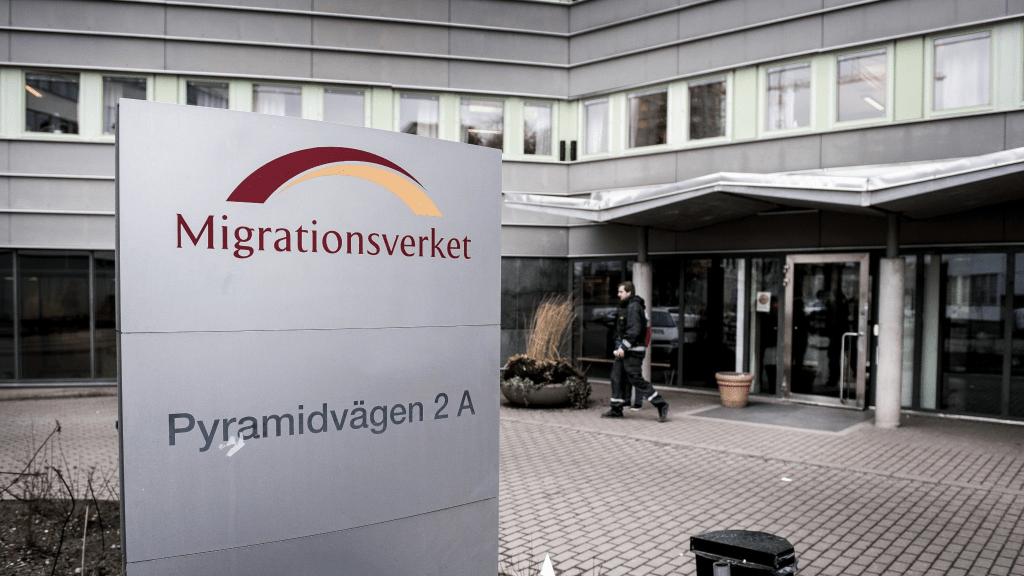
A new media investigation has raised serious questions about the ethical and procedural integrity of the Swedish migration and deportation system. According to reports, the Swedish government channelled approximately five million Swedish kronor (≈ €450,000) from development-aid funds to the Somali government — allegedly to secure the acceptance of Somali migrants being deported from Sweden.
The allegation
Investigative journalism by Swedish daily Aftonbladet (cited in broader coverage) revealed that the aid funds were used to finance three well-paid civil-service positions within the Somali administration. The funds originated from Swedish development-aid budgets but appear to have been redirected for the purpose of “facilitating” deportations.
Critics consider this practice a form of indirect bribery: using developmental aid to induce a foreign government to accept deported migrants, rather than purely humanitarian or development-oriented purposes. The investigation has sparked debate in Sweden about transparency, migration policy, and the separation between aid and law-enforcement goals.
Government response and political fallout
The Swedish government has acknowledged the reporting but has not yet offered a full explanation or publicly detailed the terms of the transfer. Opposition parties, human-rights organisations and civil-society actors are demanding clarity: Was the money conditional on deportation acceptances? Was it legal under Swedish and EU rules governing development assistance?
This controversy touches on several fault lines: migration policy, good-governance standards, and Sweden’s international reputation as a rights-respecting welfare state. For many, Sweden’s international image relies on clear boundaries between humanitarian aid and enforcement measures; blurring those lines may undermine public trust.
Migration policy context in Sweden
Sweden, like many European nations, faces complex migration pressures — asylum applications, integration challenges, return-and-reintegration mechanisms. In recent years, the government has tightened migration rules and accelerated removals of unsuccessful asylum seekers. The reported aid transfer raises questions about whether return-and-reintegration efforts are being under-resourced or masked.
Moreover, if development-aid funds are being used to facilitate deportation outcomes, that may affect Sweden’s standing in international development circles and could contravene OECD guidelines on aid. Civil-society groups warn this sets a precedent that might erode the separation between development cooperation and immigration enforcement.
Broader implications and ethical questions
- Transparency – Are there formal contracts or legal instruments documenting this transfer? Were parliamentary committees informed?
- Conditioning of aid – If the aid was conditional on Somali government cooperation with deportation, is this an acceptable practice under Swedish laws and international aid ethics?
- Effectiveness and legitimacy – Does this approach reduce the number of failed asylum-seekers staying in Sweden, and at what cost to Sweden’s development profile and migrant rights?
- Precedent – Could other origin countries seek similar aid in exchange for accepting deportees? Would this create a market-like dynamic where migrant return becomes a commodity?
What happens next
Swedish lawmakers are expected to convene hearings and demand detailed accounts from the ministries involved. NGOs and migrant-rights groups will likely bring these matters to international forums, possibly raising them at the EU level. There may also be calls for stricter oversight of how development funds are allocated and used.
From a policy-perspective, the controversy could lead to new guidelines separating migration enforcement and development aid budgets. It may also spark broader reflection within Sweden on how to balance control of migration with the country’s humanitarian and rights commitments.
Final thoughts
The recent media revelations place Sweden at a crossroads between pragmatic migration management and ethical international engagement. The amount in question may not be enormous in absolute terms, but the implications for policy, trust and Sweden’s international role are substantial. For Sweden to maintain its global reputation and domestic legitimacy, clarity, accountability and a reaffirmation of values will be essential.

Leave a comment