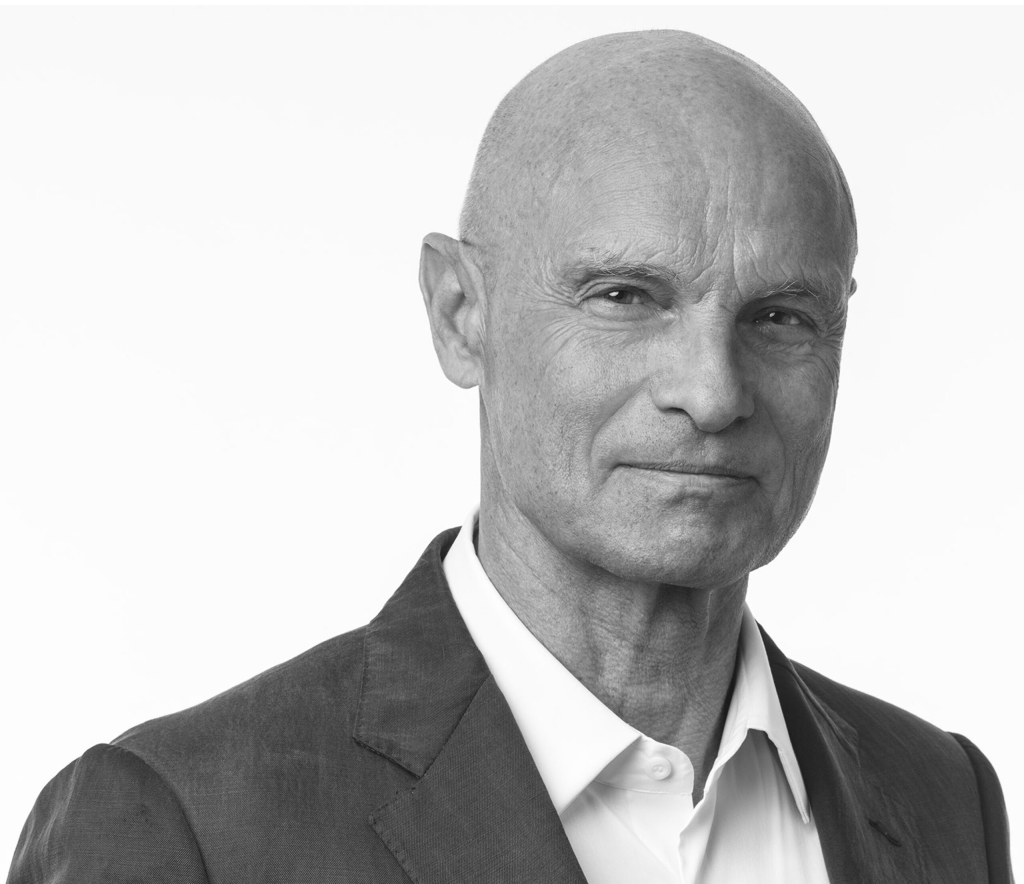
In the world of international energy trading and asset acquisitions, Swedish business magnate Torbjörn Törnqvist has set his sights on a high-stakes deal that could reshape parts of the energy sector and test the boundaries of sanctions compliance.
The Deal and Its Context
According to recent reports, Törnqvist, co-founder of the trading firm Gunvor, is moving to acquire overseas operations of Russia’s energy giant Lukoil—estimated to be worth around US$20 billion.
The timing is significant: the acquisition comes shortly after the US imposed new sanctions on Lukoil, complicating any transaction and raising risk for parties seeking to engage.
Gunvor, historically known for its global oil trading operations, sees an opportunity. By acquiring Lukoil’s foreign operations, the firm could expand its footprint into new regions, leverage assets at possibly discounted valuations (given sanctions-related pressure on Russian firms), and perhaps lock in future supply routes or storage/logistics infrastructure.

Sanctions and Risk Landscape
Sanctions are the elephant in the room. The US and UK sanctions regime against Russia means any deal involving Lukoil is not straightforward. Approval, oversight, and compliance will be under intense scrutiny. Gunvor will need to navigate legal, financial, reputational, and regulatory risks—both for itself and for counterparties.
From one angle, Törnqvist’s move can be seen as opportunistic: acquiring assets when others may be constrained. From another, it could be viewed as high-risk: aligning with entities subject to state-level sanctions, facing potential backlash from governments, financial institutions, or public opinion.
Why Sweden Matters
Sweden plays a symbolic and practical role here. As the home country of Törnqvist, it highlights how Swedish business interests are active on the global stage, including in high-stakes energy/geopolitics. It also raises questions of how Swedish firms balance national and global strategy—especially when global geopolitical pressures (like Russia sanctions) are involved.
Domestically, Swedish authorities may be watching the deal with interest: how will Sweden’s regulatory framework respond? What implications will there be for Swedish trade, export credit, or diplomatic positioning? For a country that often emphasizes rules-based international order, this deal may test the boundaries of finance and commerce.
Potential Outcomes and Impacts
If the deal goes through, Gunvor could significantly expand its global energy asset portfolio, gaining access to storage, infrastructure, and possibly downstream operations that Lukoil may divest. This could increase Gunvor’s strategic leverage in global oil markets, potentially shifting competitive dynamics.
On the flip side, if sanctions prevent the acquisition or complicate financing or operations, the deal could stall—possibly leaving Gunvor exposed or necessitating renegotiation under more constrained terms. There could also be reputational fallout if critics view the acquisition as circumventing sanctions.
For Russia, divesting foreign assets under pressure may be part of a strategy to manage Western sanctions’ impact or to reposition global footprint. For the global energy market, this transaction could reflect how sanction-pressured Russian firms may shift ownership, and how other firms (Western or neutral) may step in.
Strategic Implications for Sweden and Beyond
From a strategic perspective, this deal offers several lessons and question-marks:
- Swedish global business linkages: Swedish firms like Gunvor show how a relatively small country’s capital can play large roles in global asset deals.
- Geopolitical risk embedded in commerce: The overlap of business strategy and geopolitics is evident—who owns assets, under what regulatory regime, and how sanctioned-country exposure is handled.
- Domestic implications for Sweden: While the deal is global, domestic stakeholders (regulators, public opinion, media) may scrutinize how Swedish capital engages with sanctioned entities and what the ethical/legal implications are.
- Energy transition context: At a time of global energy transition and climate urgency, investments tied to oil and fossil infrastructure may draw extra scrutiny from environmental groups, policy-makers, and investors.
Concluding Thoughts
Törnqvist and Gunvor’s move to acquire Lukoil’s overseas operations is a bold gambit: high reward if successful, high risk given the sanctions environment and geopolitics. For Sweden, it is a reflection of how Swedish capital is increasingly global—and how Swedish actors are navigating complex international terrain. The coming months will show whether the deal proceeds smoothly or becomes entangled in regulatory, financial, or reputational hurdles.
For observers of energy markets, sanctions policy, and Swedish business influence, this is a development worth watching. The intersection of business, politics, and geopolitics is clear—and Sweden is right in the middle of it.

Leave a comment