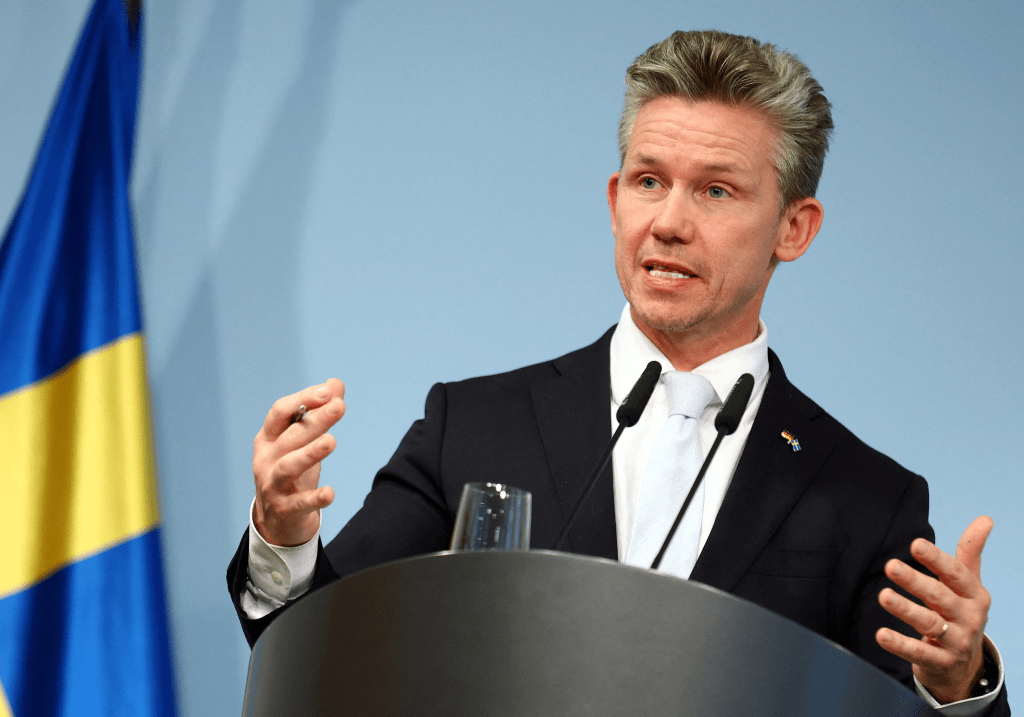
In a strategic move reflecting the changing European security landscape, Sweden is rapidly expanding its military capabilities to counter potential threats and safeguard its territory and civilians. The government has announced a major investment of approximately $1.6 billion (15 billion Swedish crowns) in strengthening national air defense systems. At the same time, officials confirmed additional funding dedicated to unmanned military drone systems worth around $440 million (4 billion Swedish crowns) — both initiatives geared to modernize Sweden’s defense in an era shaped by lessons from the war in Ukraine and evolving regional threats.
Setting the Context: Geopolitical Pressures and NATO Membership
Since joining the North Atlantic Treaty Organization (NATO) in March 2024 after a long period of military non-alignment, Sweden has increasingly aligned its security strategy with broader Euro-Atlantic defense priorities. The Russian invasion of Ukraine in February 2022 underscored vulnerabilities in Europe’s defense infrastructure, reinforcing Stockholm’s determination to upgrade its military posture and capabilities. Swedish leaders have stressed that robust, modern defenses are critical not only for the country’s security but for regional stability within the Nordic and Baltic area.
$1.6 Billion for Territorial Air Defense
At a recent security conference in Sälen, Defence Minister Pål (Pal) Jonson highlighted how the experiences of the Ukrainian battlefield have reshaped views on modern warfare. According to officials, Sweden will allocate roughly 15 billion Swedish crowns (~$1.6 billion) to procure short-range air defense systems designed to protect key infrastructure — including cities, bridges, power plants and other civilian spaces — against aerial threats.
These investments will prioritize technologies capable of detecting and intercepting hostile aircraft, drones, and missiles. The emphasis on short-range systems complements Sweden’s previous defense upgrades, which included mid- and long-range capabilities. Such layered air defenses are designed not just to counter traditional threats but also to deter asymmetric attacks using drones and unmanned aerial vehicles (UAVs).
Swedish Prime Minister Ulf Kristersson noted that the broad geopolitical environment today demands greater vigilance. He also used the occasion to comment on broader trans-Atlantic security dynamics, urging allied partners to maintain unity and support for shared defense objectives.
Drone Systems: Future Battlefield Priorities
In additional defense spending, Sweden’s government has committed roughly 4 billion Swedish crowns (~$440 million) to unmanned systems that form a critical pillar of modern warfare doctrine. These systems include:
- Long-range attack drones
- Electronic warfare drones
- Surveillance and reconnaissance drones
- Unmanned maritime systems for surveillance and minesweeping
Defense leaders have described drones not merely as supplementary assets but as core components of future battlefield effectiveness, with the capacity to extend Sweden’s monitoring and response reach across land, air, and sea domains.
Supporting Strategic Goals and NATO Cooperation

Sweden’s defense strategy is deliberately built to complement NATO’s collective security mission. The acquisition of unmanned systems and expanded air defense capabilities strengthens Sweden’s contribution to alliance deterrence — particularly in Northern Europe where defense priorities have been heightened due to ongoing tensions with Russia and concerns across the Baltic region.
These investments are also intended to reinforce domestic preparedness. By upgrading detection systems, integrating real-time surveillance data, and enhancing rapid response capabilities, Swedish authorities aim to minimize vulnerabilities and demonstrate a robust defense posture.
Economic and Political Implications
Large-scale defense funding places pressure on national budgets, and Sweden has moved to borrow funds to accelerate military procurement. This includes investments not only in air defense and drones, but also in other areas like submarines and surface ships. The government’s decision to increase military spending comes amid debates over public resource allocation — particularly at a time when social welfare and integration policies are also at the forefront of domestic discourse.
Opposition parties and civil society groups have weighed in on the implications of increased defense spending, balancing the recognition of security needs with concerns about social programming. Nonetheless, bipartisan recognition of evolving security threats helps sustain political momentum for these investments.

Leave a comment