In a striking demonstration of Nordic cooperation and strategic resolve, Sweden and Denmark have jointly announced a major military aid package to Ukraine — centered on the procurement and delivery of advanced air defense systems. Announced on February 3, 2026, the agreement marks one of the largest combined efforts yet between the two nations to strengthen Ukraine’s air defense capabilities amid ongoing Russian attacks.
A Strategic Response to Escalating Conflict
The drive to supply Ukraine with advanced air defense systems comes against the backdrop of intensified aerial attacks on civilian infrastructure, power grids, and energy facilities across Ukrainian territory. Moscow’s ongoing offensive has increasingly relied on drones, cruise missiles, and other aerial threats that can inflict severe damage on civilian populations — especially during harsh winter conditions. The new Nordic initiative seeks to blunt these attacks and protect vital infrastructure.
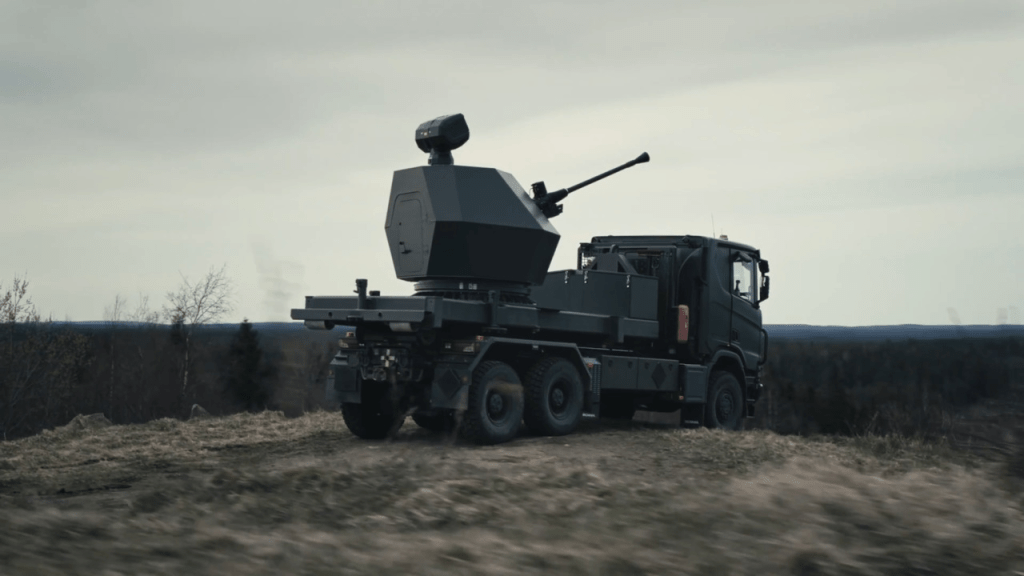
Sweden and Denmark have agreed to jointly fund systems worth roughly SEK 2.6 billion — about $290 million — to support Ukraine’s defense posture. Sweden’s contribution comprises about 2.1 billion SEK, while Denmark is covering the balance with around 500 million SEK. The package includes Tridon Mk2 mobile air defense systems, designed to intercept drones and short-range aerial threats.
These systems are expected to enable Ukraine to establish a dedicated air defense battalion capable of protecting critical infrastructure. Swedish Defence Minister Pål Jonson emphasized that the joint purchase not only offers immediate battlefield capabilities to Kyiv but also strengthens Swedish defense production capacity.
What the Tridon Mk2 System Brings to the Table
The Tridon Mk2 is a Swedish-designed, truck-mounted air defense platform produced by BAE Systems Bofors. It features a highly automated 40mm rapid-fire gun with programmable ammunition capable of engaging low-flying drones, helicopters, and cruise missiles — making it highly suited for modern air defense challenges. Its mobility allows it to be rapidly deployed in dynamic battlefield conditions.
What sets the Tridon Mk2 apart is its multi-mode firing capability. It can switch between proximity detonation and direct impact modes, enabling operators to adapt to different threat profiles. This flexibility makes it a formidable tool in protecting both civilian infrastructure and military assets — especially in an environment where drones and low-altitude threats are becoming increasingly common.
Delivery Timeline and Operational Goals
Swedish and Danish officials have indicated that delivery of the Tridon systems could begin within months of the agreement. Given the urgency of Russia’s winter campaign against Ukrainian energy infrastructure, this accelerated timeline is critical. Ukrainian forces have struggled with air defense shortages in recent months, particularly with respect to intercepting drones and missiles used in concentrated strikes.
In addition to operational delivery, training is expected to become a priority — ensuring that Ukrainian operators can quickly master the new systems under battlefield conditions. The Nordic alliance partners have hinted that training packages may accompany the equipment, bolstering Ukraine’s long-term defense capabilities.
Regional Security and NATO Synergy
Sweden and Denmark’s move reinforces a broader trend of NATO-aligned nations deepening military support for Ukraine. Both countries are committed members of the alliance — Sweden having joined NATO recently — and share a strategic interest in countering Russian aggression. The joint procurement effort underscores Nordic solidarity and reflects growing cooperation across European defense frameworks.
For Sweden, in particular, the initiative dovetails with its national defense strategy, which places a high priority on enhancing territorial defense capabilities and reinforcing collective security with allies. Investing in mobile air defense and collaborative programs highlights Sweden’s continued integration into NATO’s defense posture.
Broader Impacts Beyond Ukraine
This joint operation has implications beyond strictly supporting Ukraine. It signals to Russia and other global actors that Nordic countries will work together proactively to address emerging threats. The decision strengthens defense industrial collaboration and creates operational interoperability that could be leveraged in future joint responses to security crises.
The procurement also reinforces Sweden’s defense production base. By co-financing the systems with Denmark, Stockholm helps ensure stable production lines and sustained technological expertise, while also laying the groundwork for future collaborative defense projects.
Looking Ahead
The Sweden-Denmark partnership represents a highly significant development in European defense cooperation — one that could shape both the trajectory of the Ukraine conflict and the future of Nordic military collaboration. With systems like the Tridon Mk2 en route to Ukraine, and a shared commitment to strengthening air defense capabilities, the initiative stands as an example of strategic response and collective action in a turbulent security environment.

Leave a comment