In early 2026, Sweden unveiled a comprehensive defense investment plan that underscores the nation’s ambitions to modernize its military capabilities across air, space, and ground domains. These measures, reflecting shifting geopolitical threats, aim to reinforce Sweden’s national defense and support allied security efforts — particularly in the context of Russia’s ongoing aggression in Eastern Europe.
A Major Step in Military Modernization
As tensions persist across Europe, Sweden’s government has moved to strengthen its defense posture through long-term investments in unmanned systems and space capabilities. In January 2026, Swedish officials announced that more than SEK 5.3 billion will be allocated to the acquisition of drones and reconnaissance satellites designed to boost Sweden’s intelligence, surveillance, and reconnaissance (ISR) capacity.
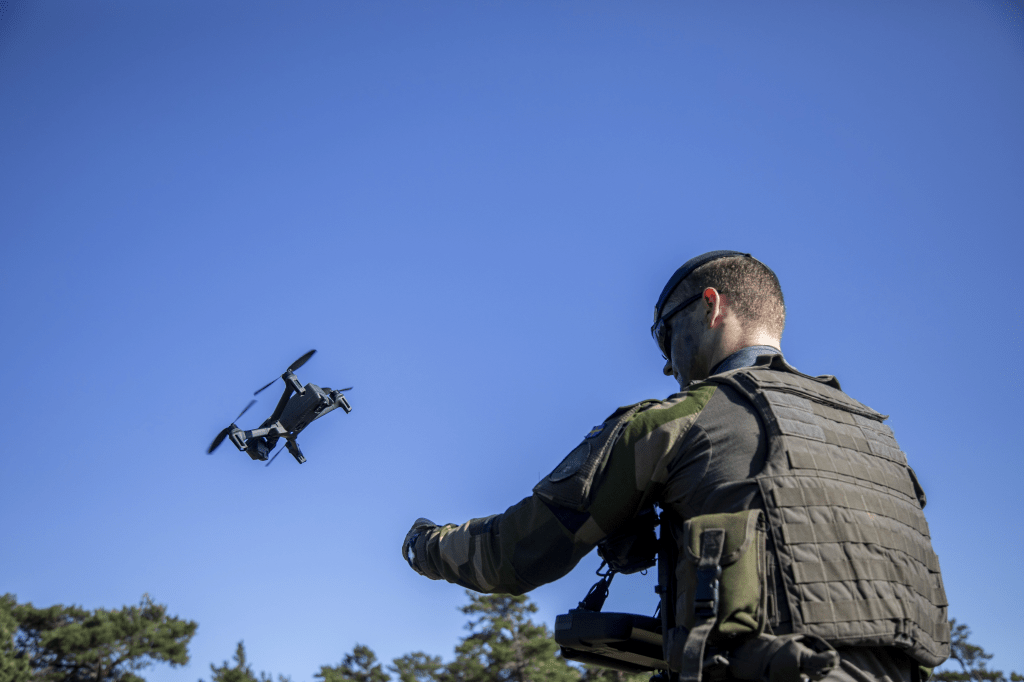
The unmanned systems component of this plan includes a wide spectrum of platforms — from long-range attack drones and electronic warfare systems to maritime drones capable of surveillance, mine clearance, and other naval missions. This diversification reflects a global shift toward unmanned warfare technologies that can operate across multiple theaters with minimal risk to personnel.
Reconnaissance Satellites: Eyes in the Sky
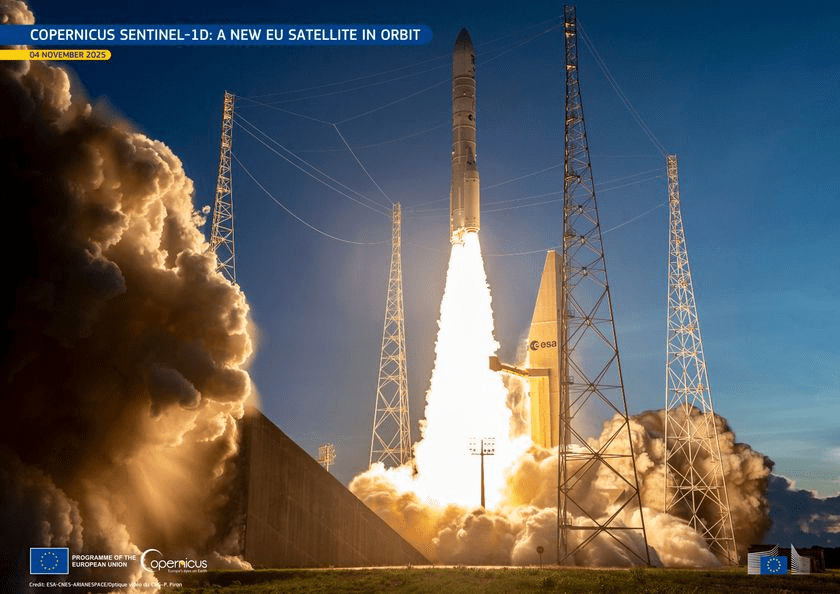
Even more significant is Sweden’s investment in space assets. The government has earmarked resources to acquire up to ten military reconnaissance satellites. These platforms are expected to deliver advanced imaging and surveillance data, giving Swedish and allied forces a high-resolution picture of potential threats — particularly across the Baltic region and Russia’s western flank.
According to Swedish defence procurement authorities, contracts signed with companies in both the U.S. and Finland mean that the first satellites could be operational as early as 2026, marking a substantial leap in Sweden’s sovereign ISR capabilities. These satellites will carry a combination of synthetic aperture radar (SAR) and electro-optical sensors, enabling reliable imaging regardless of weather conditions or darkness.
This space investment is particularly strategic. Enhanced ISR assets not only support Swedish national defense planning but also contribute to NATO’s broader intelligence network, providing critical insights into adversary movements and reinforcing collective situational awareness.
Sweden’s Drone Strategy: Versatile and Forward-Looking
Sweden’s expenditure on military drones — roughly SEK 4 billion — marks a significant commitment to unmanned systems across various military functions. These include:
- Long-range attack drones, which can strike targets deep behind enemy lines.
- Electronic warfare drones, designed to disrupt adversary communications and radar.
- Marine drones, capable of conducting autonomous surveillance and mine countermeasure operations at sea.
Defense Minister Pål Jonson highlighted that unmanned systems will play a central role in future conflicts, adding that European partners must assume greater responsibility for their own defense capabilities. The investment will also include payloads for reconnaissance and battlefield monitoring — essential in rapidly evolving combat environments.
Deliveries of these unmanned systems are expected over the next two years, with initial batches entering active service by late 2026. This rapid timeline demonstrates Sweden’s determination to modernize quickly and responsibly as regional tensions rise.
Complementary Ground and Air Defense Enhancements
In parallel with space and drone investments, Sweden continues to build up its ground-based and air defense capabilities. A separate initiative allocates SEK 15 billion toward expanding mobile air defense units that protect cities, infrastructure, and military deployment zones from aerial threats like drones, cruise missiles, and advanced aircraft.
These units leverage short-range systems positioned in dispersed locations — enhancing flexibility and resilience against surprise attacks. As modern warfare evolves, mobile air defense ensures a dynamic response strategy rather than static, predictable defenses.
A Strategic Move Amid Security Challenges
Sweden’s defense investment plan has emerged during a period of heightened concern about national security. The Swedish government has repeatedly stressed that the security environment in Europe has deteriorated, with threats ranging from hybrid warfare tactics to conventional military pressures on NATO’s eastern flank. These developments have underscored the need for Sweden to fortify its defenses at home while contributing to allied stability abroad.
By prioritizing space, drones, and mobile air defense, Swedish policymakers are signaling a shift toward a multi-domain defense architecture. This approach mirrors broader NATO priorities that emphasize interoperability, rapid response, and cutting-edge technology. Sweden’s investments — while designed first and foremost for national defense — therefore also enhance the collective security framework that binds European allies together.
Looking Forward
Sweden’s 2026 defense strategy represents a holistic effort to confront evolving security threats, strengthen national capabilities, and reinforce its role within NATO and broader European defense ecosystems. With investments in drones, satellites, and ground defense systems, Sweden is positioning itself not just as a defender of its own territory but as a key contributor to collective defense efforts that span continents.

Leave a comment