Here is a snapshot of the latest developments affecting daily life, domestic policy, and public safety in Sweden — covering legislative changes, security concerns, education policy reforms, and broader societal issues.
High-Profile Legal Verdicts Shake Public Mood
On February 3, 2026, a Danish court convicted two Swedish men on terrorism and attempted murder charges for their involvement in a grenade attack near the Israeli embassy in Copenhagen back in 2024. The younger defendant, aged 18, received a 12-year sentence, while the older was sentenced to 14 years. Importantly, both will be deported back to Sweden after completing their prison terms.
Although no one was physically injured in the attack — the grenades detonated on a terrace instead of the intended target — the case has reignited debates in Sweden about gang violence, radicalization, and cross-border criminal networks. Lawyers for the convicted individuals have announced plans to appeal, keeping the case in the public spotlight.
Education Reform: Ending the Infamous “F” Grade
In a major shift for Sweden’s education policy, the government has decided to abolish the “F” failing grade and revamp its grading system — a move intended to reduce student anxiety and foster a more supportive learning environment. The change has sparked robust debate among educators, parents, and students alike, with proponents arguing that removing the “fail” grade will reduce stigma and better track student progress.
While details of the new grading structure are still emerging, the reform aligns with broader trends in Scandinavian education that emphasize growth, personalised support, and alternative assessments over traditional pass/fail dichotomies. Critics, however, caution that the reform could lower academic standards and complicate university admissions.
Migration Policy and Public Debate
Sweden’s Migration Minister has announced plans to retroactively apply stricter “poor conduct” criteria when evaluating asylum applications — a move aimed at discouraging abuses of the system. Although specific policies are still under consultation, the announcement has fuelled heated discussions around fairness, human rights obligations, and the role of immigration in Swedish society.
Such debates are not new; Sweden has navigated some of Europe’s most complex migrant policy challenges in recent years, balancing humanitarian commitments with integration pressures and public sentiment. The current initiative is expected to intensify this ongoing national conversation.
Security and Public Safety Concerns
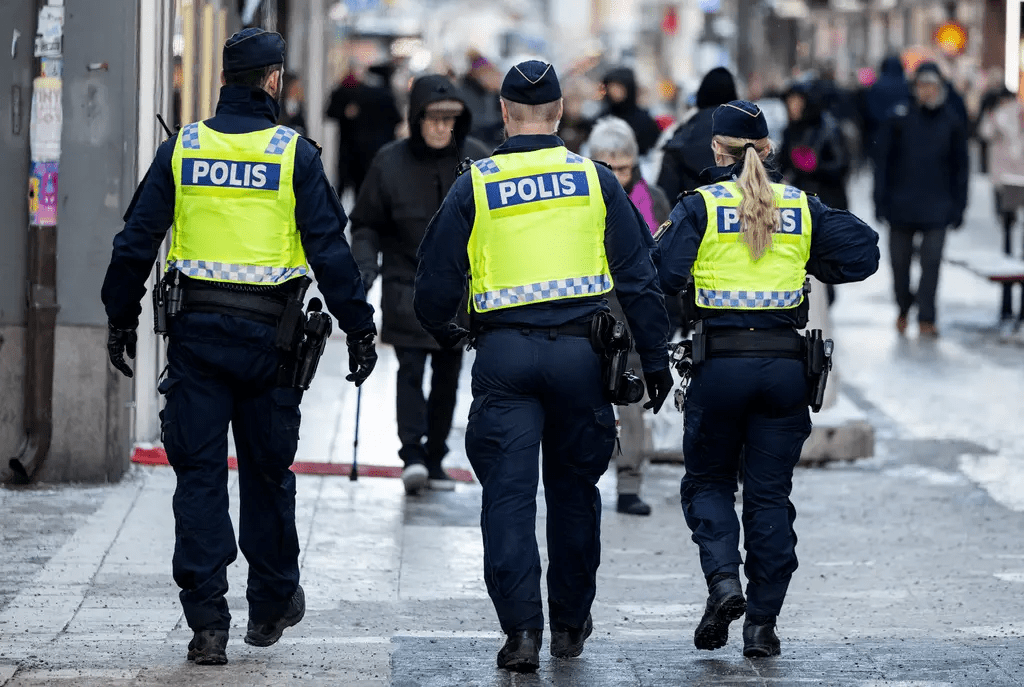
Recent months have seen Sweden tighten its focus on public security. Not long after suspicions of hand grenades near schools led to a lockdown incident months ago, government officials have increased attention on violence and crime prevention — especially in urban areas.
While Sweden continues to rank relatively high in overall safety indicators compared with many countries, isolated incidents of violent crime, including gang-related conflicts, occasionally capture headlines and fuel public concern about criminal justice and policing resources.
Governance and Policy Shifts
Behind the scenes, Sweden’s government is navigating a series of evolving policy agendas focused on domestic wellbeing and global positioning. With discussions underway about fiscal priorities, social reforms, and how Sweden engages internationally — especially in the lead-up to the 2026 general election cycle — political debate remains dynamic and lively.
The government’s broad agenda — from education reforms to migration policy revisions and security law changes — reflects a nation wrestling with both traditional Scandinavian social policy values and the modern demands of a globalized, interconnected world.
Public Dialogue and Social Trends
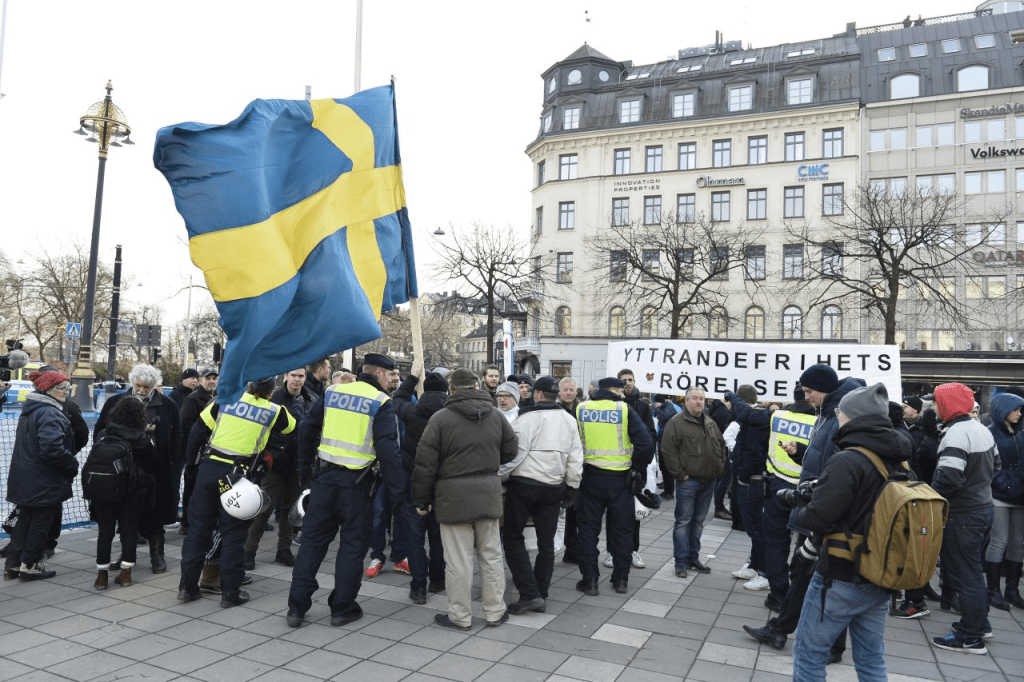
Amid all these developments, everyday life in Sweden continues with its characteristic mix of innovation, civic participation, and cultural vibrancy. Public forums, opinion surveys, and grassroots movements are actively shaping how Swedes think about issues like social justice, national identity, and Sweden’s role on the world stage.
As domestic debates unfold and global tensions rise, Sweden’s path forward appears shaped as much by civic engagement as by formal policy decisions — a hallmark of the Nordic nation’s robust democratic traditions.

Leave a comment