BRUSSELS/TORONTO — European Union Commissioner for Trade and Economic Security Maros Sefcovic on Thursday reaffirmed that the United States has provided clear assurances it will honour the terms of the modernised EU‑U.S. trade agreement signed in July 2025 — a pivotal pact designed to stabilise the transatlantic economic relationship amid ongoing policy uncertainty in Washington. The statement, made during an event in Toronto where Sefcovic was signing a separate trade modernisation agreement with Canada, came after concerns emerged in recent weeks about the United States’ commitment to maintaining agreed tariff ceilings and reciprocal trade obligations.
“I believe that the United States will honour the deal because this was the reassurance I got from my American partners,” Sefcovic said, underscoring the importance of sustained dialogue between Brussels and Washington. His comments were echoed in public and private conversations between EU trade officials and senior U.S. counterparts in recent days.
The backdrop to these reassurances lies in a series of contentious developments in U.S. trade policy. After the U.S. Supreme Court in February declared most of President Donald Trump’s use of broad tariff authorities invalid, the administration issued an executive order imposing a 10 % tariff on a wide range of imports — a measure that U.S. officials have indicated could rise to 15 % later this week, potentially complicating the implementation of the EU‑U.S. pact. Critics in Brussels and EU capitals have expressed concern that the new surcharge, applied in addition to the most‑favoured‑nation rate, could result in higher effective tariffs on European goods than those agreed in the transatlantic framework.
The July 2025 deal, struck at Trump’s Turnberry Golf Course in Scotland between Trump and European Commission President Ursula von der Leyen, was billed as a breakthrough in EU‑U.S. trade relations, setting a broad 15 % ceiling on U.S. tariffs for most EU exports while maintaining zero duties on many U.S. industrial goods entering the European market. The pact aimed to resolve long‑standing tariff disputes, reduce trade friction, and create a more predictable environment for businesses on both sides of the Atlantic.
However, the path to full implementation has been anything but smooth. The European Parliament has, in recent weeks, kept its ratification process on hold as lawmakers demand more clarity from Washington about how the trade deal’s commitments will be preserved in light of shifting tariff policies. Top lawmakers have made clear that they will not advance legislative approval until they have satisfactory answers on how the 15 % ceiling will be upheld without being undermined by new or overlapping levies.
“We will communicate towards the U.S. that we want to have clarity that they are sticking to the deal,” Bernd Lange, chair of the European Parliament’s International Trade Committee, told journalists in Brussels, reflecting concerns shared by a broad spectrum of political groups in the chamber.

Complicating matters further, legal and policy analysts have highlighted that the U.S. constitutional and statutory context for trade actions has created openings for tariff fluctuations. Following the Supreme Court’s decision, which invalidated much of the executive authority previously used to impose broad global tariffs, U.S. officials have indicated they are exploring alternative legal bases for maintaining certain levies aimed at protecting domestic industries. This has, in turn, fed uncertainty about how the EU‑U.S. deal will function in practice.
Despite these challenges, Sefcovic and other EU officials have insisted that the overarching commitment to transatlantic trade cooperation remains strong. The reassurance from American counterparts, he said, was intended to reassure European businesses and markets that the treaty framework remains intact and that the United States recognises the economic significance of a stable trade relationship with the EU. Transatlantic trade remains one of the largest in the world, with goods and services flowing across the Atlantic valued in the trillions of dollars annually.
In parallel, Sefcovic’s presence in Toronto underscored another strategic dimension of the EU’s trade policy: diversifying trade ties beyond the United States. The new agreement with Canada updates and expands the Comprehensive Economic and Trade Agreement (CETA), originally concluded in 2017, to address modern trade issues such as digital trade, data flows, cybersecurity cooperation and investment dispute mechanisms. The modernisation effort reflects shared goals with Ottawa to strengthen economic resilience, reduce dependency on any single market, and adapt to emerging commercial realities.
Canada, like the EU, is seeking to mitigate vulnerability to trading partner shifts. The United States remains Canada’s largest trading partner, consuming nearly 70 % of its exports, exposing Canadian producers to policy shifts in Washington. Ottawa has set ambitious goals to double its non‑U.S. trade over the next decade, a strategy seen as crucial to protecting Canadian workers and economies from external shocks.
Under the modernised CETA framework, negotiators have agreed to refine investment dispute settlement procedures, streamline regulatory cooperation and initiate talks on Canada’s first comprehensive digital trade agreement. These talks are expected to conclude by the end of 2026 and will cover issues related to data flows, cybersecurity standards, digital services and emerging technologies — areas of strategic importance in the global economy.
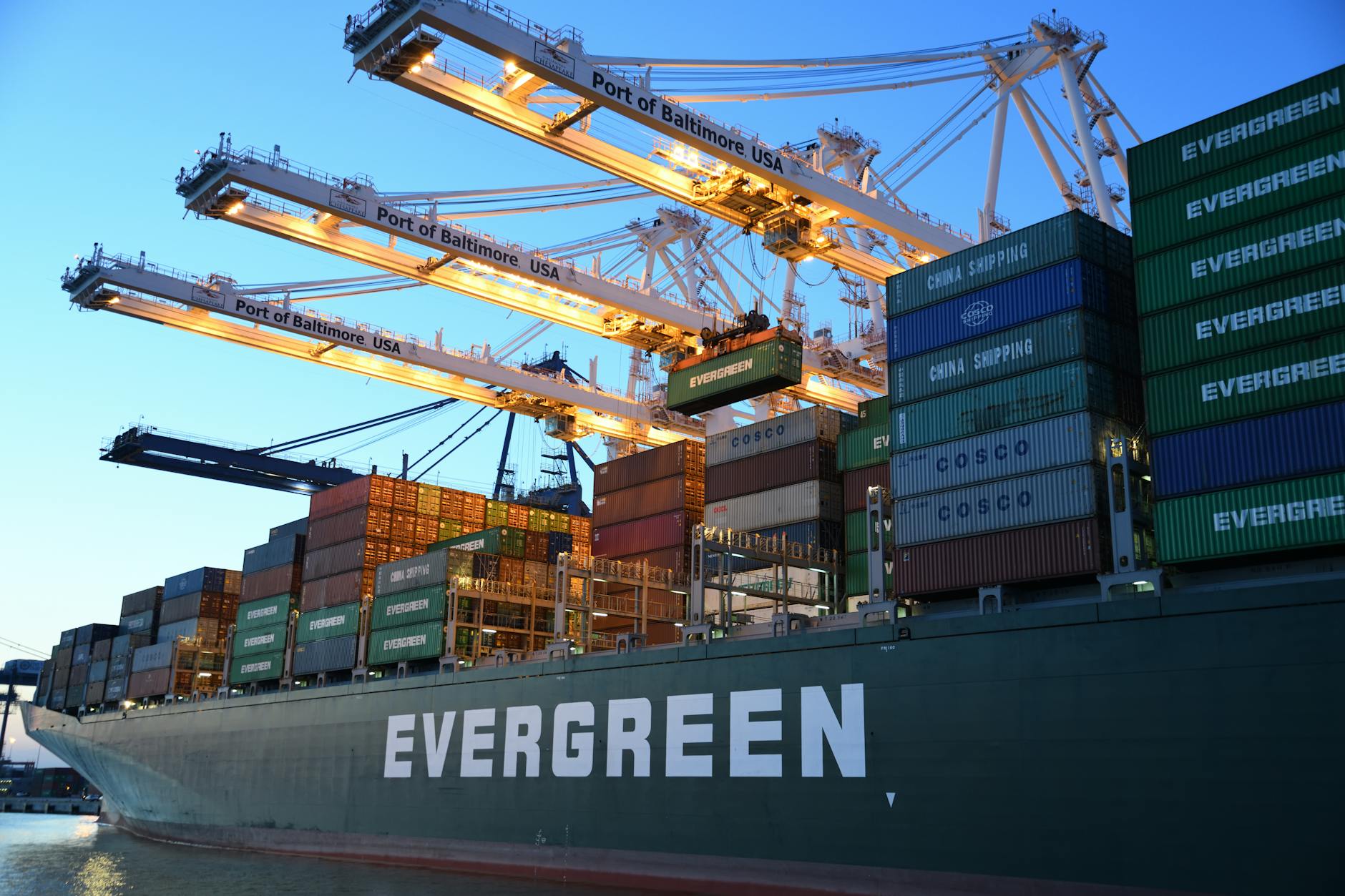
European business groups have welcomed the push to diversify trade links, though they cautioned that the EU‑U.S. relationship remains a central pillar of European economic strategy. Exporters in sectors such as automotive, aerospace, pharmaceuticals and agricultural goods are particularly sensitive to tariff and regulatory shifts, and clarity on the future of the transatlantic deal will be critical for investment decisions and supply chain planning in the months ahead.
Market reactions to Sefcovic’s remarks were mixed. Some analysts welcomed the reaffirmation of U.S. commitments as a stabilising signal, while others noted that uncertainty over tariff implementation and parliamentary ratification continues to cloud the deal’s prospects. Financial markets, which had dipped earlier this week on concerns about U.S. protectionist policy signals, showed modest recovery as investors digested the latest reassurances.
European policymakers have also been careful to emphasise that while they seek to preserve the transatlantic trading framework, they will not hesitate to defend EU interests if Washington’s actions materially diverge from agreed commitments. Trade Commissioner Sefcovic has repeatedly highlighted that the EU’s trade policy is rooted in predictable, rules‑based engagement and that any deviation from that approach would trigger consultations and, if necessary, dispute settlement procedures under international trade rules.
As the situation evolves, diplomats in Brussels and Washington are preparing for further technical and political discussions in the coming weeks. Key issues on the agenda include mechanisms for tariff administration, dispute resolution processes, regulatory cooperation, and mutual recognition of standards. Both sides have signalled that they remain open to continued negotiation and clarification, though the timeline for full ratification and implementation of the transatlantic deal remains uncertain.
For European industries and policymakers, the central question is whether the reassurances from Washington will translate into concrete parliamentary votes and predictable trade conditions. The coming weeks will be critical in determining whether this modernised trade framework — designed to anchor EU‑U.S. economic relations for years to come — will withstand legal, political and economic headwinds.
Leave a Reply