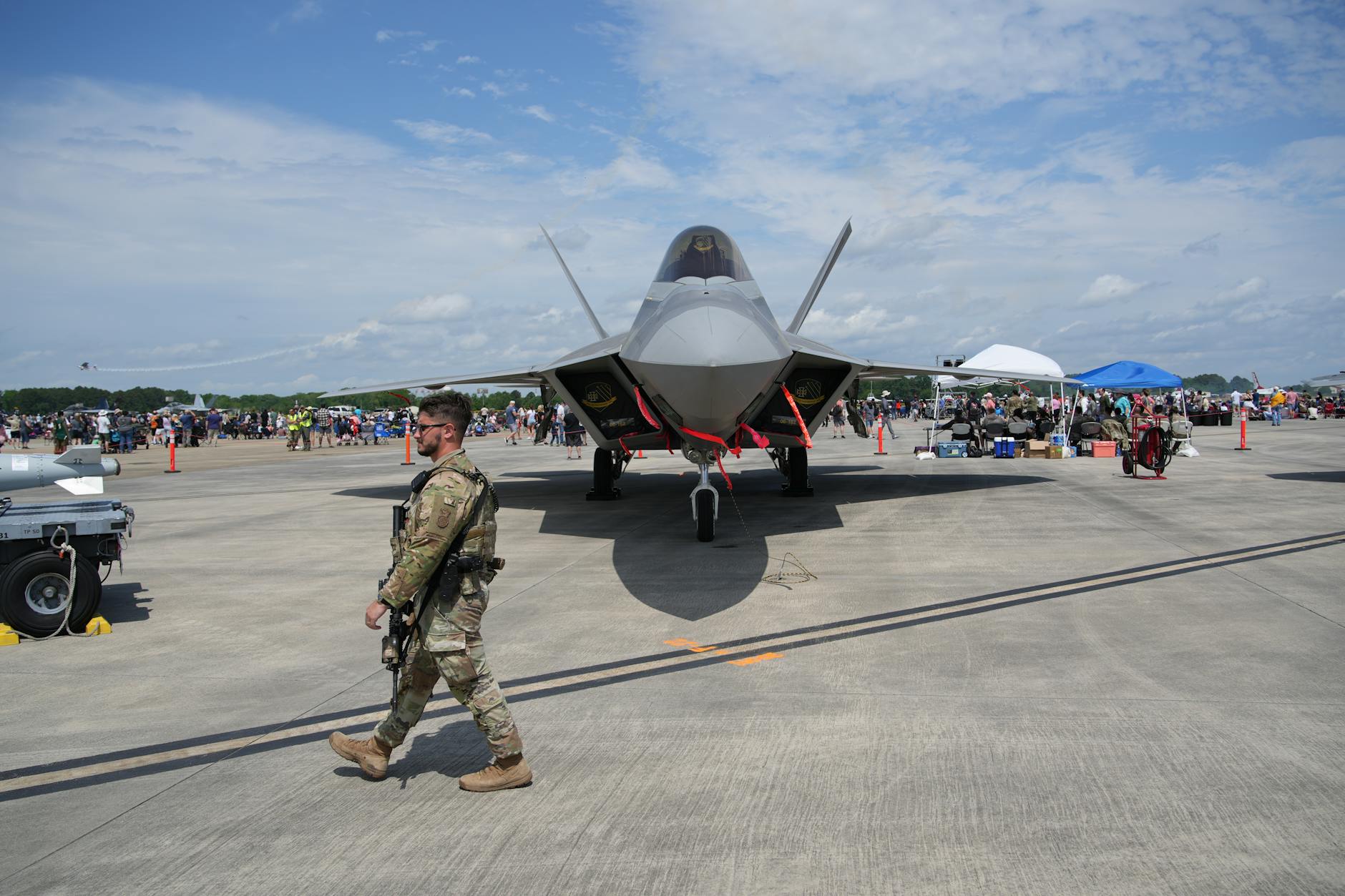
On 9 March 2026, Türkiye formally announced the deployment of six F‑16 fighter jets and associated air defence systems to the Turkish Republic of Northern Cyprus (TRNC), a territory recognised only by Ankara, as part of a broader effort to reinforce the security of its forces and interests on the divided island amid intensifying regional tensions. The announcement was made in a statement by the Turkish Ministry of National Defence, which described the move as part of a phased plan to enhance the defence capabilities of the TRNC in light of recent developments in the wider Eastern Mediterranean and Middle East theatre. The ministry also signalled that additional measures could be adopted depending on how the security situation evolves.
The deployment of F‑16s — among NATO’s most advanced fighter aircraft — and air defence platforms underscores Ankara’s strategic concern about the spillover of conflict from the Middle East into the eastern Mediterranean. In recent weeks, military operations by the United States and Israel against Iran, and subsequent Iranian‑linked retaliatory strikes, have heightened instability across the region. Cyprus, although geographically distant from the primary theatres of conflict, has been directly affected by these dynamics. On 1 March, an Iranian‑made drone struck the UK’s Royal Air Force base at Akrotiri in Cyprus, prompting allied reinforcements and raising alarms in European capitals about potential further attacks.
European nations, including France, Greece, Italy, Spain and the Netherlands, have increased military deployments to Cyprus in recent days, sending air defence systems, frigates, and other assets to deter further attacks and reassure Nicosia. French President Emmanuel Macron visited Cyprus on the same day as Turkey’s announcement to demonstrate support for the sovereign Republic of Cyprus and to coordinate defence measures alongside Greek Prime Minister Kyriakos Mitsotakis. The presence of allied forces reflects broader NATO and EU efforts to secure eastern Mediterranean airspace and waters against the backdrop of the Middle East crisis.
Turkey’s move also follows reports earlier in the week that Ankara was considering sending F‑16s to northern Cyprus as part of contingency planning after the drone incident, a possibility confirmed by a Turkey defence ministry source. Analyses at the time suggested that the deployment was among several options being evaluated to safeguard the Turkish Cypriot community and Turkey’s strategic foothold on the island. The TRNC civil aviation authority reported that the F‑16s were to arrive at Ercan Airport in the north early Monday morning, and officials emphasised that civilian air traffic operations would not be interrupted by the military arrival.
The Turkish government’s official narrative frames the reinforcement as defensive and precautionary, aimed at protecting the approximately 300,000 Turkish Cypriots in the northern part of the island from potential threats arising from regional conflict escalation. However, the deployment has drawn criticism from the internationally recognised government of the Republic of Cyprus, which occupies the southern part of the island and is an EU member state. Nicosia has reiterated its calls for de‑escalation and respect for Cypriot sovereignty, arguing that unilateral military build‑ups risk further destabilising an already tense environment. The Republic of Cyprus maintains that it is not a party to the Middle East war and seeks to position the island as neutral territory, although it has welcomed allied support to secure its airspace and territorial integrity.
Following the Turkish announcement, diplomatic reactions in Brussels, Athens, Nicosia and other European capitals reflected concern about the implications of the deployment. EU foreign policy officials noted that the situation could complicate efforts to unify EU and NATO responses to regional unrest, particularly as member states coordinate military assistance to Cyprus. Cyprus currently holds the rotating presidency of the Council of the European Union, and its government has been actively engaging with partners to address security and humanitarian dimensions of the wider conflict. In parallel, NATO has been closely monitoring the situation, with alliance air defence systems having recently intercepted missiles and drones in the region, including one Iranian ballistic missile that was shot down over southern Turkey.
Analysts caution that Turkey’s military posture in northern Cyprus cannot be viewed in isolation from broader strategic calculations. Turkey has consistently stressed its role as protector of Turkish Cypriots since its troops first intervened on the island in 1974 following a coup in Nicosia aimed at union with Greece. The island has since remained divided, with the Turkish‑controlled north operating as the de facto TRNC and the internationally recognised Republic of Cyprus in the south. Deployments of advanced military assets such as F‑16s and air defence systems may serve both symbolic and practical roles: signaling Ankara’s resolve to defend its interests and deterring potential threats while also reinforcing its negotiation leverage in any future diplomatic engagements.
Despite the defensive rationale articulated by Ankara, the deployment raises questions about the potential for miscalculations or unintended escalations. The presence of multiple allied and non‑allied military aircraft and systems in close proximity over Cyprus heightens the risk of airspace incidents, miscommunication or confrontations, particularly given overlapping operations by NATO forces, EU member state assets, and Turkish military aircraft. Bilateral tensions between Turkey and Greece, rooted in longstanding disputes over Cyprus and Aegean territorial rights, could be exacerbated if either side’s military activities are perceived as overly assertive. Efforts to maintain open channels of communication and confidence‑building measures, such as visits by air force delegations between Ankara and Athens, have been highlighted as important in reducing the risk of inadvertent conflict.
On the ground in northern Cyprus, local populations have expressed a mix of concern and reassurance following the deployment. Some Turkish Cypriots view the presence of F‑16s and air defence systems as necessary protection amid an unpredictable security environment, while others worry about the island becoming a frontline should the broader Middle East war intensify or spill closer to Europe. In contrast, communities in the southern Republic of Cyprus have urged comprehensive diplomatic engagement to prevent further militarisation, emphasising the need for international legal frameworks to govern military movements and preserve Cypriot sovereignty.
With the situation continuing to evolve, Turkey’s decision to deploy F‑16s and air defence assets to northern Cyprus is likely to remain a focal point of regional diplomatic and security discussions. European Union foreign ministers are scheduled to address eastern Mediterranean security at upcoming meetings, and NATO deliberations on collective defence and crisis management have been reprioritised in light of recent developments. Ultimately, the balance between deterrence and escalation will depend on how regional actors manage ongoing tensions in the Middle East and whether diplomatic initiatives can reduce the risk of a wider conflict drawing in neighbouring states and alliance members.
Leave a Reply