The European Union has activated a series of emergency energy measures as global markets react sharply to the escalation of conflict involving Iran, with oil and natural gas prices rising to levels not seen in recent months. The surge has triggered urgent coordination across EU institutions and member states, reflecting growing concern that the bloc may be entering another period of sustained energy volatility with wide-ranging economic implications.
According to officials familiar with the discussions, the European Commission has initiated contingency protocols designed to stabilize supply and contain price pressures. These include enhanced coordination of strategic gas reserves, accelerated implementation of joint purchasing schemes, and closer monitoring of cross-border energy flows. The measures are intended to prevent fragmentation within the single market while ensuring that no member state faces disproportionate supply risks.
Wholesale gas prices across European hubs have climbed rapidly in response to fears of disruption to key export routes and shipping lanes in the Middle East. Oil benchmarks have also surged, reflecting heightened geopolitical risk premiums. Market participants point to concerns over maritime transit through critical chokepoints, as well as potential retaliatory actions that could further constrain supply.
European energy ministers held emergency consultations to assess the situation and coordinate responses. Several governments have called for immediate interventions to cushion the impact on households and industry, including temporary subsidies, tax adjustments, and targeted support for vulnerable sectors. However, officials remain cautious about large-scale fiscal measures, citing the need to balance short-term relief with long-term budgetary sustainability.
The European Commission has emphasized that gas storage levels remain relatively robust compared to previous crisis periods, providing a degree of resilience against immediate supply shocks. Nevertheless, officials acknowledge that sustained price increases could erode this buffer over time, particularly if replenishment becomes more expensive or supply chains are disrupted.
Industry groups have warned that the latest price surge could significantly affect energy-intensive sectors such as chemicals, steel, and manufacturing. Many companies are already operating under tight margins following earlier energy crises, and further cost increases risk triggering production cuts or relocations. Business leaders have urged policymakers to act swiftly to maintain competitiveness and prevent long-term damage to Europe’s industrial base.
Electricity markets are also feeling the impact, as higher gas prices feed directly into power generation costs in several member states. This dynamic is particularly pronounced in countries where gas-fired plants play a central role in balancing renewable energy supply. Analysts note that while the expansion of renewables has reduced dependence on fossil fuels, the system remains sensitive to fluctuations in gas prices.

Financial markets have responded with increased volatility, reflecting uncertainty over the duration and intensity of the conflict. Energy stocks have seen gains, while broader equity indices have faced downward pressure. Currency markets have also reacted, with the euro experiencing fluctuations amid shifting expectations for inflation and monetary policy.
The European Central Bank is closely monitoring the situation, as rising energy prices could complicate its efforts to maintain price stability. Higher input costs risk feeding into broader inflation, potentially delaying or altering the trajectory of interest rate adjustments. Policymakers face a delicate balancing act between supporting economic growth and containing inflationary pressures.
In response to the evolving crisis, the European Commission is preparing additional measures aimed at enhancing market transparency and preventing speculative behavior. These may include stricter oversight of energy trading activities and expanded reporting requirements for market participants. Officials argue that improved transparency is essential to maintaining confidence and preventing excessive price swings.
At the same time, the EU is intensifying diplomatic engagement with key energy suppliers to secure additional volumes and stabilize supply chains. Efforts are underway to coordinate with partners in Norway, the United States, and other major exporters, as well as to explore alternative routes and logistics solutions that could mitigate the impact of disruptions in the Middle East.
The crisis has also reignited debates over the pace and direction of Europe’s energy transition. Some policymakers argue that the current situation underscores the urgency of accelerating investment in renewable energy, energy efficiency, and grid infrastructure. Others caution that the transition must be managed carefully to ensure reliability and affordability, particularly in times of geopolitical instability.
Public sentiment across the EU is beginning to reflect growing चिंता over rising energy costs. Governments are under increasing pressure to shield consumers from price increases, particularly as the effects begin to be felt in household energy bills and transportation costs. Social and political implications are likely to intensify if the crisis persists.
Transport and logistics sectors are also bracing for impact, as higher fuel costs translate into increased operating expenses. This, in turn, could feed into broader inflation through higher prices for goods and services. Supply chains that have only recently stabilized following earlier disruptions may once again face strain.
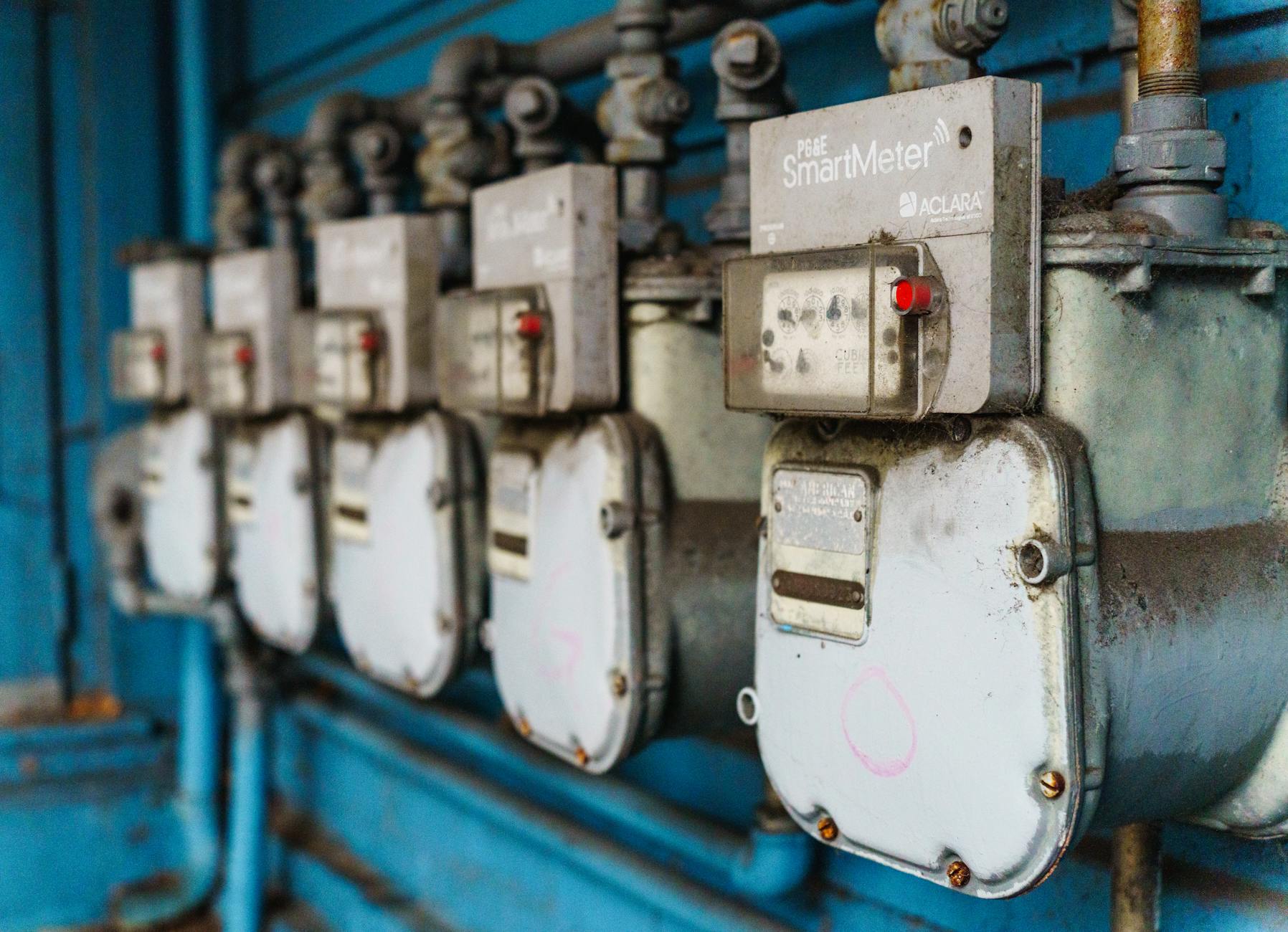
Energy analysts emphasize that the duration of the price surge will depend largely on the trajectory of the conflict and its impact on global supply routes. A prolonged disruption could lead to sustained high prices, while a de-escalation might ease market pressures relatively quickly. However, uncertainty remains high, and market participants are preparing for a range of scenarios.
The EU’s response is being closely watched by international partners, as it may serve as a test case for managing energy shocks in an increasingly volatile geopolitical environment. Coordination among member states will be critical to ensuring that measures are effective and that the single market remains intact.
In the coming days, the European Commission is expected to present a more detailed package of measures, including potential financial instruments to support affected sectors and mechanisms to enhance cross-border cooperation. The effectiveness of these measures will depend on their timely implementation and the degree of alignment among member states.
While Europe has made significant progress in reducing dependence on certain external energy sources, the current crisis highlights the limits of these efforts and the continued importance of global market dynamics. The challenge for policymakers will be to navigate immediate risks while advancing long-term strategies that enhance resilience and sustainability.
The situation remains fluid, with developments in the Middle East continuing to influence market sentiment and policy decisions. As the EU mobilizes its resources and coordinates its response, the coming weeks will be critical in determining the extent of the economic impact and the effectiveness of the measures being deployed.
Ultimately, the crisis serves as a reminder of the interconnected nature of global energy systems and the need for robust, flexible policy frameworks capable of responding to rapidly changing conditions. For the European Union, the current challenge is not only to manage the immediate shock but also to reinforce the foundations of its energy security for the future.
Leave a Reply