NATO has initiated the relocation of personnel from its mission in Iraq to several sites across Europe, in what officials describe as a precautionary response to a rapidly deteriorating security environment in the Middle East. The decision follows a series of escalating developments in the region, including heightened tensions involving Iran and increased risks to foreign military personnel stationed in Iraq.
The alliance’s mission in Iraq, established to train and advise Iraqi security forces, has been a central pillar of international efforts to stabilise the country after years of conflict. NATO officials stressed that the relocation does not constitute a termination of the mission, but rather a temporary adjustment designed to ensure the safety of personnel while maintaining operational continuity through alternative means.
“The security of our personnel is paramount,” a NATO official said in a statement. “We are taking prudent steps to reposition some staff while preserving our ability to support Iraqi partners.” The official added that remote advisory functions and coordination mechanisms would continue during the relocation period.
The move comes amid growing concern among Western governments about the potential for broader regional escalation. Intelligence assessments in recent days have pointed to an increased risk of attacks on international military installations, particularly those associated with Western alliances. Iraq, which hosts a range of foreign military personnel under various mandates, is considered especially vulnerable given its complex internal dynamics and proximity to regional flashpoints.
Military analysts note that the relocation reflects a familiar pattern in crisis response, whereby multinational missions adopt flexible postures to mitigate risk while avoiding a full withdrawal. Such measures are often designed to preserve long-term engagement while reducing immediate exposure to threats.
The NATO Mission Iraq (NMI) has been operating since 2018, focusing on institutional reform, training, and capacity-building within Iraq’s defence and security sectors. Its activities include advising on defence planning, military education, and counter-terrorism strategies. The mission operates at the request of the Iraqi government and is distinct from combat operations previously conducted by coalition forces.
In recent years, the mission has expanded its scope, reflecting a shift toward long-term stabilisation and governance support. However, its presence has remained sensitive, particularly amid domestic political debates in Iraq over the role of foreign forces. Periodic calls for withdrawal have coincided with spikes in regional tension, complicating the operational environment for international missions.
The current relocation is understood to involve both military and civilian personnel. While NATO has not disclosed precise numbers or specific destinations, officials confirmed that several European bases are being used to host the redeployed staff. These locations are equipped to support command, control, and coordination functions, allowing for continued engagement with Iraqi counterparts.
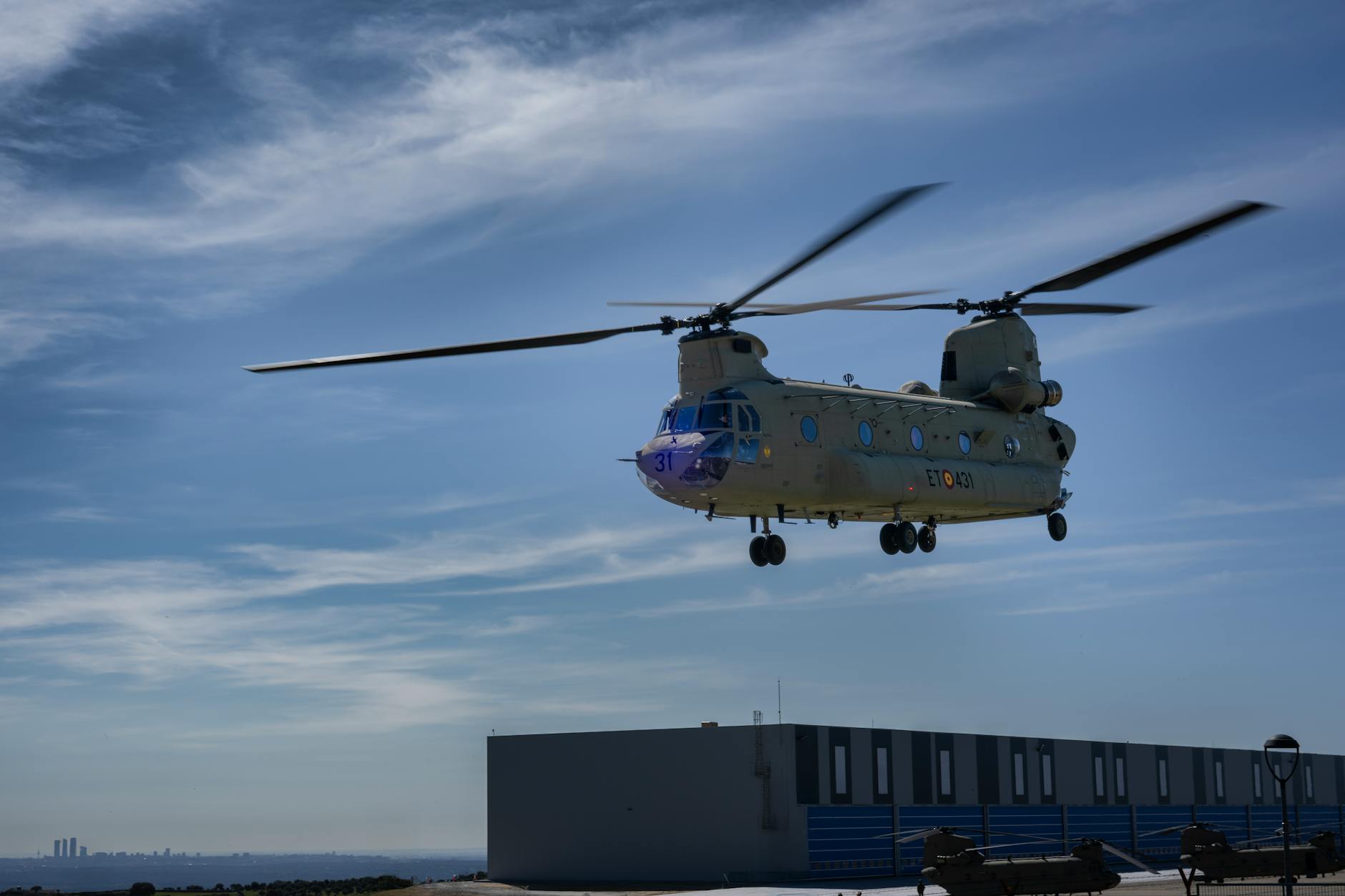
European allies have been closely consulted in the planning process, with logistical arrangements coordinated through NATO’s integrated command structure. The relocation underscores the alliance’s reliance on its European infrastructure as a strategic buffer during crises affecting external theatres of operation.
Security experts suggest that the move reflects a broader recalibration of Western military posture in the Middle East. While the United States and its allies have sought to maintain a reduced but sustained presence in the region, recent developments have highlighted the persistent volatility of the security landscape. The risk of miscalculation or unintended escalation remains a central concern.
At the same time, the relocation raises questions about the continuity of training and advisory activities in Iraq. Although remote support can mitigate some disruptions, certain functions—particularly those requiring direct engagement—may be affected. Iraqi officials have not publicly criticised the move but are likely to seek assurances regarding the mission’s long-term commitment.
The Iraqi government has consistently emphasised the importance of international support in strengthening its security institutions. Progress made in recent years, particularly in countering extremist threats, has been partly attributed to such cooperation. Any prolonged disruption to training programmes could have implications for the sustainability of these gains.
NATO officials have sought to reassure Iraqi partners that the mission remains intact. “Our commitment to Iraq is enduring,” the alliance said in a statement. “We will continue to adapt our approach to ensure both effectiveness and safety.”
The relocation also reflects the challenges faced by multinational organisations operating in politically sensitive environments. Balancing host nation sovereignty, operational objectives, and personnel safety requires constant adjustment, particularly in regions characterised by shifting alliances and overlapping conflicts.
In Europe, the arrival of relocated personnel is expected to place additional demands on military facilities and support systems. However, officials indicate that contingency plans have long been in place for such scenarios. NATO’s network of bases across Europe provides the flexibility needed to absorb temporary surges in personnel and maintain operational readiness.
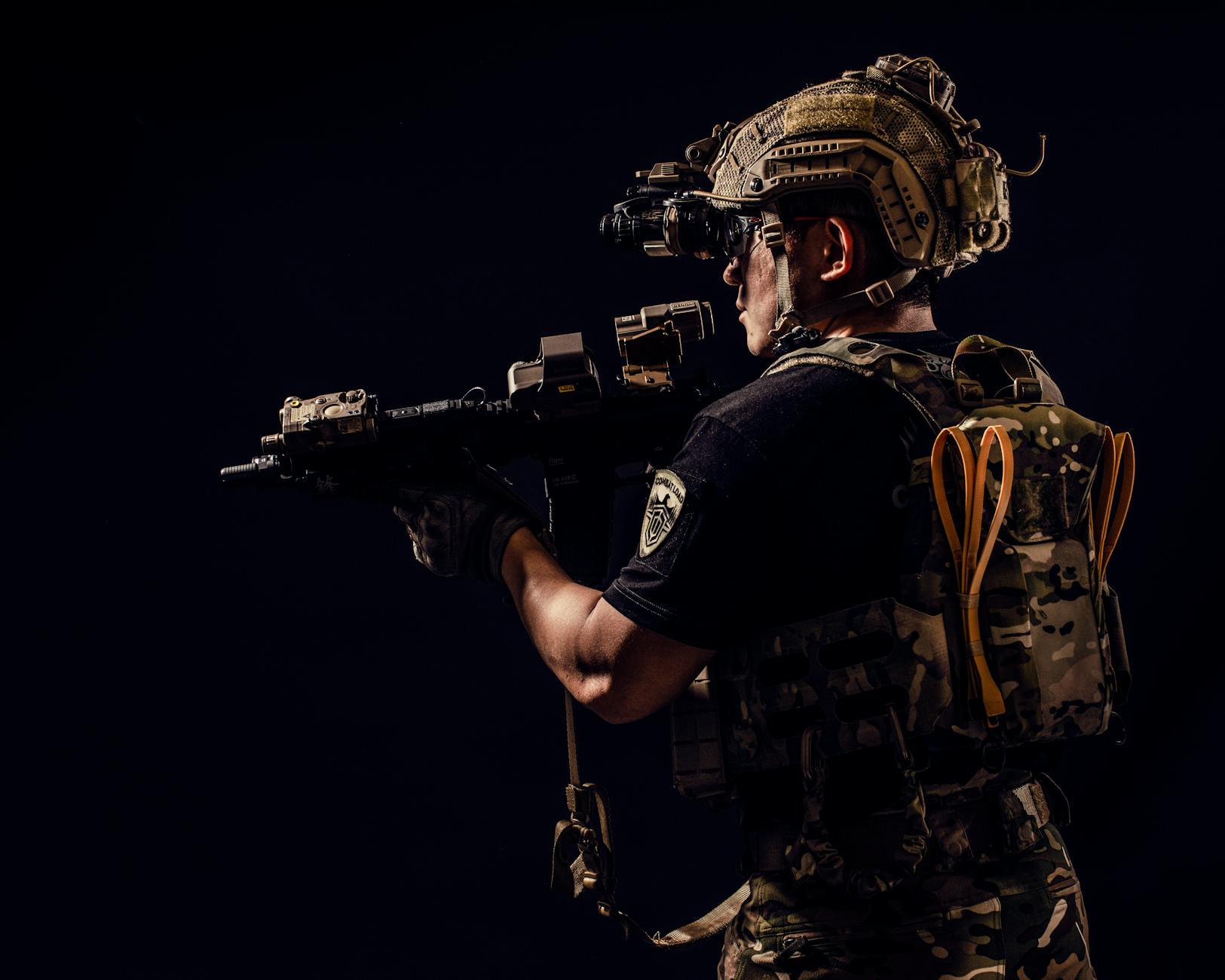
The development comes at a time when European security concerns are already heightened by multiple factors, including ongoing geopolitical tensions and evolving defence priorities. The need to accommodate personnel from external missions adds another layer of complexity to the alliance’s strategic planning.
Diplomatic efforts to de-escalate tensions in the Middle East are ongoing, but the situation remains fluid. Analysts caution that further deterioration could prompt additional adjustments to international military deployments in the region. For NATO, maintaining a balance between engagement and risk management will be critical in the coming weeks.
The relocation of personnel from Iraq to Europe illustrates the interconnected nature of global security challenges. Events in one region can rapidly influence strategic decisions in another, underscoring the importance of adaptability within multinational frameworks.
While the immediate focus remains on ensuring the safety of personnel, the longer-term implications of the move will depend on the trajectory of regional developments. Should tensions ease, NATO may gradually return personnel to Iraq and resume full operations. Conversely, sustained instability could necessitate a more prolonged adjustment.
For now, the alliance appears committed to a cautious approach, prioritising risk mitigation while preserving its strategic objectives. The situation will continue to be closely monitored by policymakers and military planners alike, as the broader implications for regional and European security unfold.
The episode serves as a reminder of the enduring volatility of the Middle East and its capacity to shape global security dynamics. For NATO and its member states, maintaining flexibility and resilience in the face of such challenges remains a central imperative.
- Relocation described as temporary and precautionary
- Mission in Iraq continues through remote and limited engagement
- European bases activated for contingency hosting
- Regional escalation risks linked to Iran tensions
- Long-term mission commitment reaffirmed by NATO
Leave a Reply