European car sales expanded in February, marking one of the strongest monthly showings since mid-2024 and offering a clearer signal that the region’s automotive sector is stabilizing after a year marked by weakening demand and persistent cost pressures. According to provisional data released by the European Automobile Manufacturers’ Association (ACEA), passenger-car registrations across the European Union increased compared with the same period last year, with large member states contributing the majority of incremental volumes.
The recovery was uneven but broad-based. Germany, Europe’s largest auto market, recorded a solid increase in new registrations following several months of volatile performance driven by fleet-renewal timing and uncertainty over EV incentives. France, supported by strong hybrid-vehicle uptake, also posted a rise in passenger-car demand. Italy and Spain, historically sensitive to financing conditions, showed measurable improvement as consumer-credit rates stabilized and fleet clients resumed deferred purchases.
Segment analysis indicates that internal-combustion vehicles—both petrol and diesel—remain the backbone of European volumes. However, hybrid powertrains maintained a double-digit share, capitalizing on their appeal to cost-conscious consumers navigating high energy prices and evolving regulatory landscapes. Battery-electric vehicles (BEVs) regained momentum after a subdued January, though growth rates varied significantly by country. Markets that recently adjusted subsidy schemes, such as Germany and Sweden, continued to see more tempered BEV demand relative to 2023 peaks.
Amid this broader market recovery, Tesla delivered its first positive year-on-year result in twelve months, breaking a slump that weighed on Europe-wide EV penetration statistics throughout 2025. The company benefitted from improved output at its Berlin-Brandenburg Gigafactory, which experienced retooling-related slowdowns last year. February’s performance also reflected the clearing of previously delayed deliveries and the effect of strategic price adjustments implemented late in 2025 to retain competitiveness against both European incumbents and Chinese newcomers.
Industry analysts note that Tesla’s return to growth could have disproportionate implications for Europe’s EV market. The company’s difficulties last year—exacerbated by rising inventory, a deceleration in consumer EV adoption, and heightened competition from BYD, SAIC’s MG brand, and several emergent Chinese EV makers—were widely interpreted as a signal of cooling momentum in the region’s electrification cycle. February’s reversal therefore suggests that demand elasticity remains intact when pricing, availability, and financing conditions align more favorably.
The February data also shed light on operational shifts within European manufacturing. Supply chains have largely stabilized following multi-year disruptions linked to semiconductors, battery materials, and logistics. Although microchip constraints persist in select components—particularly advanced driver-assistance modules—most manufacturers report more predictable production schedules compared with 2023 and early 2024. Battery-cell availability has also improved, with Europe-based gigafactories ramping up output and Asian suppliers maintaining consistent shipments.
Nevertheless, manufacturers face mounting structural challenges. Cost inflation, especially for specialized materials such as lithium, nickel, and high-grade steel, continues to pressure margins. While commodity prices have partially eased from their 2025 highs, volatility remains pronounced. In addition, the European Commission’s ongoing investigations into imported electric vehicles from China have introduced market uncertainty. Possible adjustments to tariffs or local-content requirements could reshape cost structures, supply chains, and competitive positioning across the EV landscape.

Market share distribution within the EV segment shifted slightly in February. European premium manufacturers—BMW, Mercedes-Benz, Audi, and Volvo—maintained relatively stable electrified volumes, though growth rates varied across models. Stellantis, with its broad footprint and diverse portfolio, reported steady BEV and PHEV deliveries in core markets but continued to emphasize margin discipline over aggressive volume expansion. Renault and its EV subsidiary Ampere performed strongly in France and Southern Europe, supported by mid-segment models that benefited from national incentive programs.
Chinese brands continued to expand their European presence, albeit at a moderating pace. BYD retained momentum in markets offering supportive charging infrastructure and favorable residual-value outlooks. MG remained competitive in the compact crossover segment, though price-sensitive regions displayed slower uptake as local brands recalibrated pricing strategies. European executives continue to scrutinize the competitive threat posed by these entrants, particularly as cost-efficient Chinese supply chains allow for aggressive pricing that many legacy manufacturers struggle to match.
Fleet sales represented a significant share of February’s increase, with leasing companies and corporate clients contributing materially to registration gains. Many postponed renewals in 2025 amid concerns about residual-value volatility in the EV segment. Improved clarity over depreciation curves and more stable second-hand EV demand encouraged a return to more regular fleet-replacement cycles. Public-sector tenders, particularly for low-emission fleets in Nordic and Western European cities, also supported BEV and plug-in hybrid deliveries.
Consumer behavior during February reflected a more cautious but increasingly engaged buyer base. Households faced fewer supply delays, enabling more immediate delivery across several best-selling models. Financing incentives offered by manufacturers, including subsidized interest rates on EV loans and loyalty-based discount programs, contributed to higher showroom traffic. Online-direct sales remained a growing channel, though hybrid retail models—involving digital ordering and dealership-based fulfillment—continued to dominate across the EU.
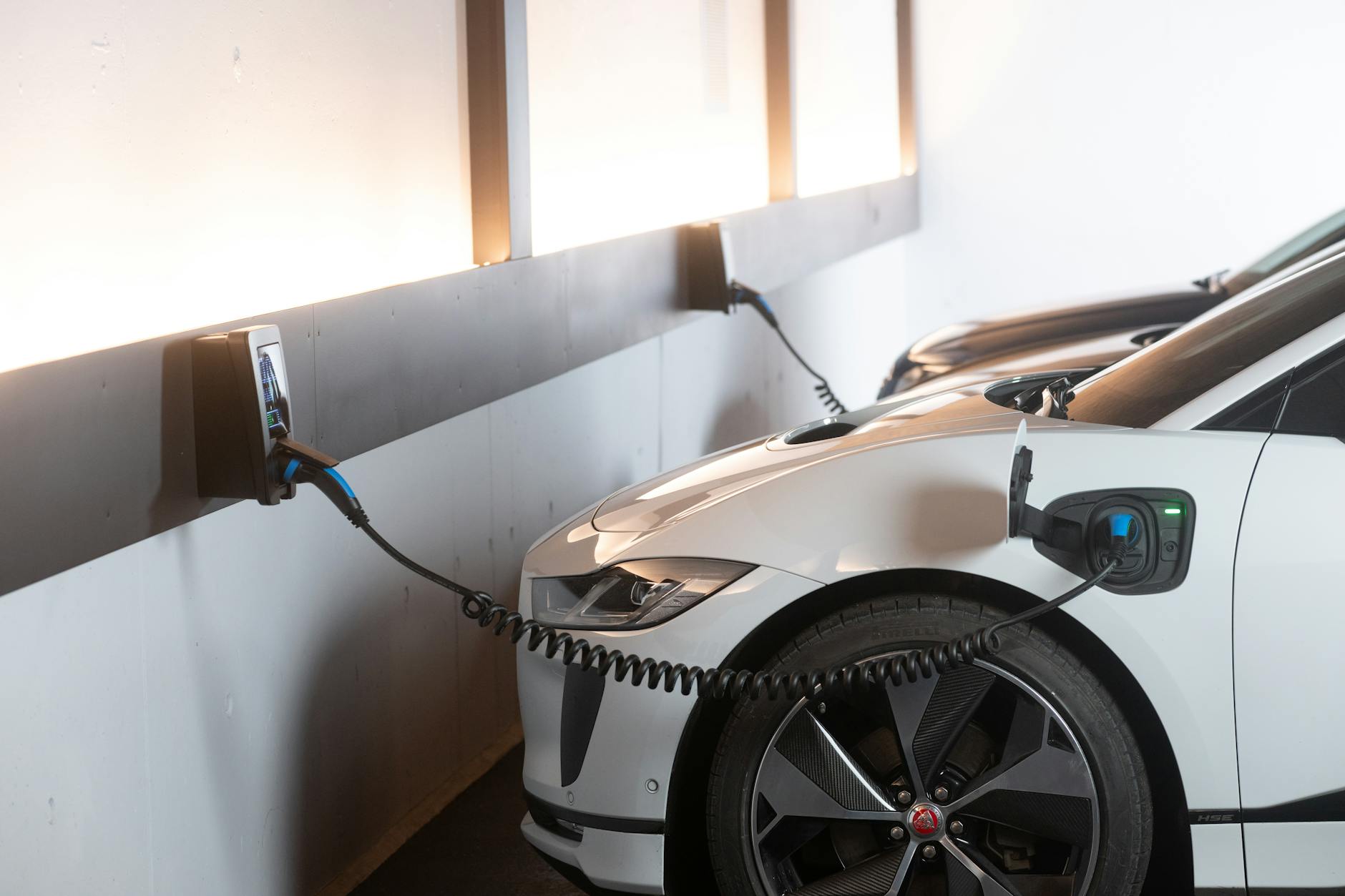
Charging-infrastructure developments also played a role in stabilizing EV demand. Several member states expanded fast-charging corridors along trans-European transport networks, improving range confidence for long-distance drivers. Although disparities persist between countries with mature charging ecosystems and those still developing basic coverage, February’s registration patterns show that markets with well-established infrastructure maintain more consistent BEV adoption rates even during volatile economic cycles.
Energy-price dynamics were another important factor. Wholesale electricity prices hovered below 2025 peaks, reducing operating-cost concerns for prospective EV buyers. Petrol and diesel prices remained elevated in several EU markets, further incentivizing the shift toward hybrid models. However, analysts caution that macroeconomic risks—particularly fluctuations in energy markets—could still influence purchasing behavior during the second half of 2026.
Looking ahead, the automotive sector faces a complex set of cross-currents. Manufacturers must balance cautious demand expectations with substantial investment commitments to electrification, software-defined vehicles, and advanced driver-assistance technologies. Regulatory timelines, including the EU’s 2035 internal-combustion phase-out plan and evolving fleet-emission standards, remain core strategic considerations. Some companies have advocated for more flexible implementation frameworks, citing the need to manage capital allocation efficiently amid uncertain market conditions.
For Tesla, sustaining February’s momentum will depend on operational consistency at its Berlin plant, continued competitive pricing, and the success of its upcoming model updates. The company is expected to increase European output in the coming quarters, though profitability remains sensitive to pricing decisions and battery-cost dynamics. Market watchers will also monitor the impact of Tesla’s ongoing software-feature rollouts across Europe, including enhancements to its assisted-driving systems—an area where regulatory approvals vary between member states.
The broader European car market is likely to experience moderate growth in the coming months, supported by easing inflation, gradual reductions in borrowing costs, and an uptick in household confidence. However, the pace of recovery will hinge on the durability of macroeconomic improvements, the resilience of supply chains, and the adaptability of manufacturers to rapidly shifting competitive pressures. February’s performance provides a cautiously optimistic indicator that the sector’s fundamentals may be strengthening after a challenging year.
In parallel, investors remain attentive to margin trajectories across automakers. The combination of rising R&D expenditure, high fixed costs associated with electrification, and selective price competition—particularly in EVs—continues to compress profitability. Several manufacturers have signaled a shift toward product-mix optimization and cost-discipline measures as they navigate what many executives describe as the most transformative period in the industry’s modern history.
The February rebound, while notable, does not ensure a linear recovery. Consumer sentiment remains vulnerable to economic shocks, and order books for some manufacturers display shorter visibility compared with pre-2020 norms. Yet with inventories normalizing, fleet clients re-engaging, and EV supply chains becoming more predictable, the foundations for a more sustained improvement appear firmer than they did several quarters ago.
As Europe continues its transition toward lower-emission mobility, the evolution of monthly registration patterns will remain central to policymaker assessments. February’s results—marked by broad-based growth and Tesla’s return to positive territory—suggest that the market is adjusting to a new equilibrium shaped by evolving incentives, increasingly competitive product offerings, and the gradual recovery of consumer purchasing power.
Leave a Reply