Major cities across Europe experienced substantial civic mobilisation on Saturday as the continent-wide ‘No Kings’ movement brought millions into the streets to voice opposition to a series of policy statements made by former U.S. President Donald Trump. While the protests varied in scale, tone, and local political context, they converged around a central message: a warning that Trump’s revived policy positions present systemic risks to democratic governance and transatlantic stability. Organisers characterised the demonstrations as a “pan-European response to political overreach” and emphasised the need for a “non-hierarchical, rule-based world order.”
In Berlin, an estimated 450,000 people gathered around the Brandenburg Gate and Tiergarten district, according to local police figures. The march, which stretched several kilometres, brought together activists from climate organisations, pro-democracy groups, teachers’ associations, migrant rights networks, and several major labour unions. Their joint statement accused Trump of promoting an international environment in which “great-power politics overrides democratic accountability” and warned that European societies must be prepared to uphold core democratic principles independently of U.S. political cycles.
Paris saw one of the most symbolically charged rallies, where demonstrators filled the Avenue de la République carrying banners reading “Europe Is Not a Vassal State” and “Democracy Has No Monarchs.” The reference to “No Kings” is widely interpreted as a critique of what organisers describe as Trump’s “personalist leadership style” and attempts to centralise political authority during his previous time in office. Several French organisations, including academic institutes focused on constitutional law, joined the protest, warning that democratic backsliding abroad contributes to the erosion of norms within Europe itself.
In Madrid, tens of thousands marched through the city centre, highlighting concerns about Trump’s statements on NATO financing and his suggestion that allies who fail to meet defence spending targets might receive reduced U.S. security guarantees. Spanish civil society groups argued that such statements undermine the stability of Europe’s security architecture and place unnecessary stress on member states undergoing economic adjustments. Local organisers emphasised the need for Europe to build “strategic resilience” to political fluctuations in Washington.
In Rome, public squares hosted large demonstrations as well, accompanied by speeches from constitutional scholars and former diplomats analysing the long-term implications of Trump’s stated positions on multilateral cooperation. Speakers warned that a shift toward transactional diplomacy could jeopardise cooperative frameworks on climate policy, cross-border regulation, and shared technological standards. Many also expressed concern about Trump’s renewed criticism of international institutions, which European leaders largely view as vital to maintaining political equilibrium.
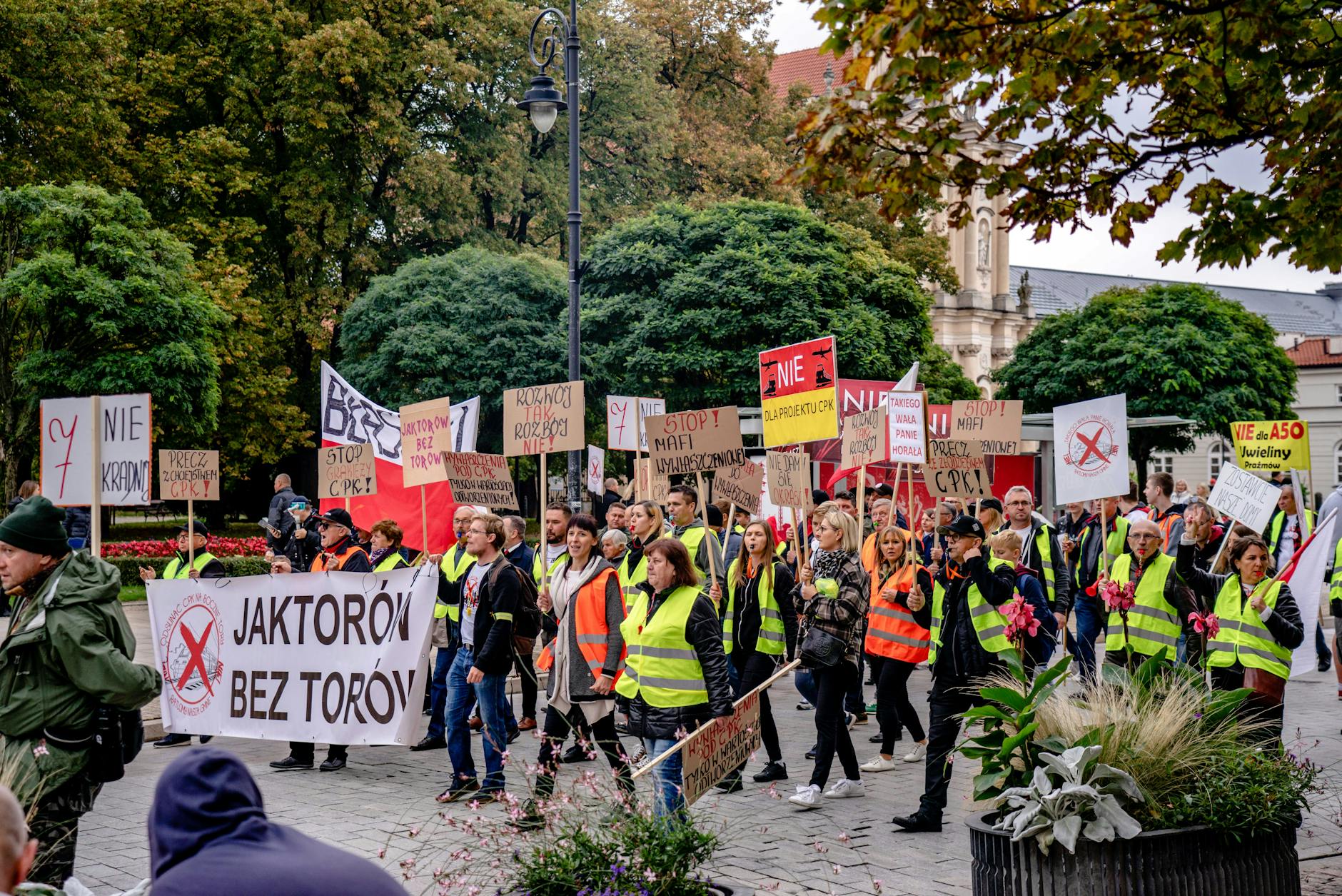
Central and Eastern Europe experienced some of the most robust mobilisation. In Warsaw, hundreds of thousands participated in a march along the city’s central artery, expressing anxiety about Trump’s previous ambivalence toward military support for Eastern Europe and his mixed messaging on NATO’s Article 5. Protesters argued that uncertainty surrounding U.S. commitments threatens regional stability at a time when Europe continues to confront security pressures. Civic organisations in Poland, Lithuania, and the Czech Republic coordinated messaging efforts, calling for stronger EU-level defence guarantees independent of U.S. politics.
Scandinavian cities also reported significant turnout. In Stockholm, approximately 120,000 people marched from Sergels torg to the parliament building. Demonstrators voiced concerns about environmental policies, noting Trump’s intention to reverse international climate commitments and reduce regulatory cooperation with European partners. Sweden’s largest environmental groups joined the march, arguing that climate governance cannot withstand oscillations tied to individual political figures. The event concluded with a pledge to lobby the Swedish government for stronger independent decarbonisation measures.
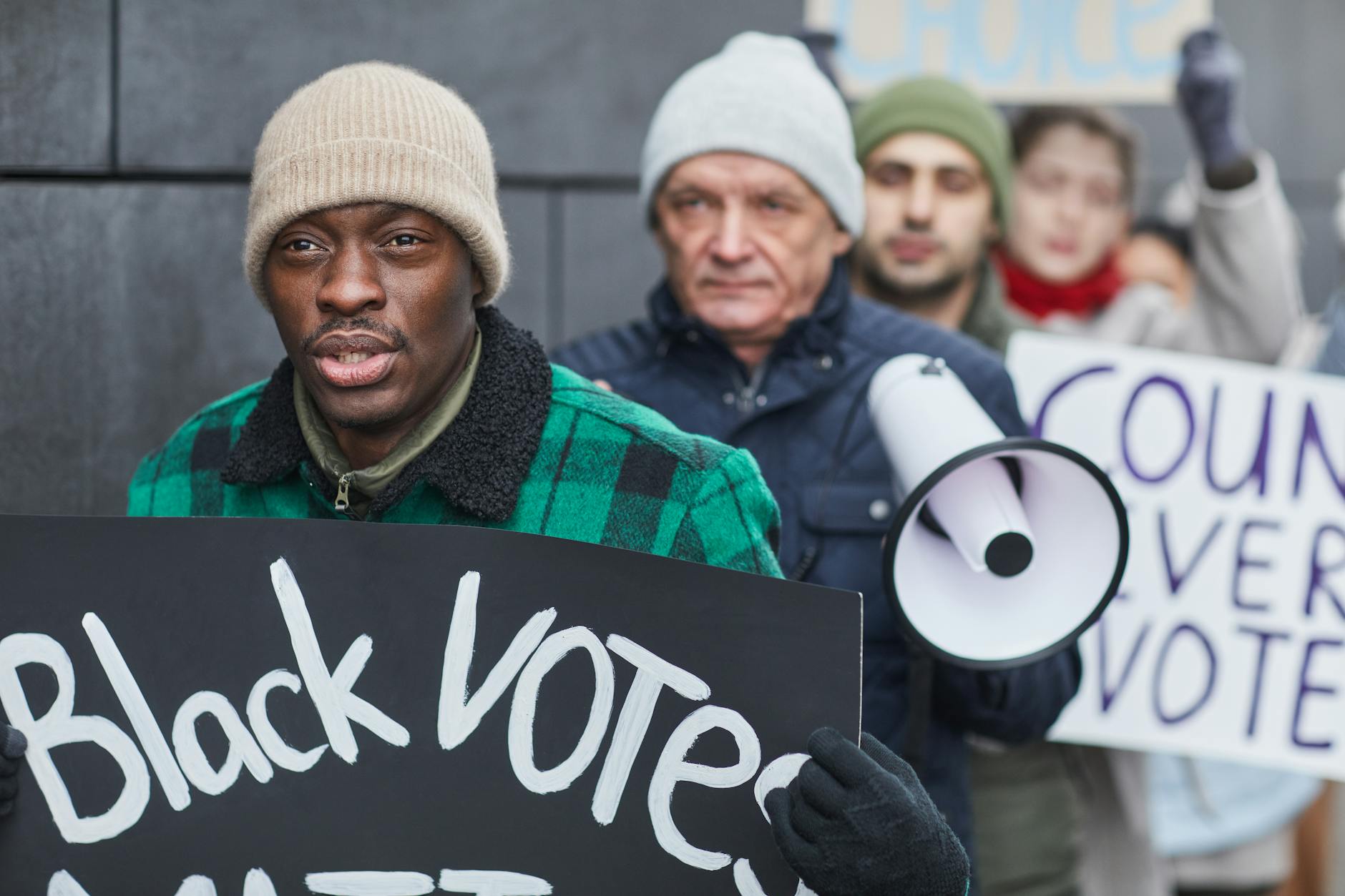
In Helsinki, organisers placed particular emphasis on democratic resilience, referencing Trump’s statements about executive power and civil service reforms. Speakers from Finland’s constitutional law community argued that persistent erosion of institutional safeguards in the United States carries global implications, including the risk of normalising systemic pressure on independent institutions in other democracies. Protest banners bearing the slogan “No Kings, No Strongmen” became prominent throughout the march.
In Dublin, protest leaders focused on the implications of Trump’s policies for digital governance and cross-border data standards. Ireland hosts a significant concentration of multinational technology firms, many of which rely on stable regulatory alignment between the EU and the U.S. Speakers warned that Trump’s proposed restrictions on data-sharing frameworks could disrupt ongoing cooperation on privacy rules and digital trade. Irish organisers underscored that such disruptions would reverberate across Europe’s digital economy, affecting employment and investment.
While the protests were overwhelmingly peaceful, isolated incidents occurred in several cities. In Brussels, a small group broke off from the main march and attempted to enter a government building, but police quickly dispersed the crowd without significant injuries. Similar minor scuffles were reported in Vienna and Amsterdam, though authorities emphasised that overall cooperation between police and organisers kept disturbances minimal.
European governments responded cautiously to the scale of the demonstrations. In Germany, a spokesperson for the Chancellery stated that while the government “does not comment on protests directed at foreign political candidates,” it recognises the public concerns regarding global democratic stability. French officials similarly noted that the scale of mobilisation demonstrates “deep civic engagement” but avoided directly addressing Trump’s platform.
The European Commission issued a short statement acknowledging the demonstrations and emphasising the importance of “protecting democratic norms within the European Union and ensuring the continuity of multilateral cooperation.” However, it stopped short of referencing Trump by name. Analysts noted that European institutions remain wary of appearing to interfere in U.S. electoral politics, particularly as Washington remains central to Europe’s security framework. The Commission’s cautious tone reflects a delicate balancing act: respecting citizens’ concerns while preserving diplomatic neutrality.
Organisers of the ‘No Kings’ movement insist that the protests are not intended to influence U.S. domestic politics but rather to highlight the downstream effects that U.S. foreign policy can have on European democratic structures. Representatives from the coalition said they were motivated by a perceived pattern in which U.S. political shifts create volatility for European governments, economies, and civil societies. They called for “structural reforms” that would reduce Europe’s vulnerability to external political fluctuations, including enhanced defence integration, energy independence, and strengthened regulatory autonomy.
The protests reflect a broader debate across Europe about strategic autonomy—a concept championed by multiple EU member states, particularly France, in recent years. While the term has been interpreted differently across capitals, it generally refers to Europe’s ability to make independent decisions in defence, technology, and energy policy without excessive reliance on external actors. Saturday’s protests illustrate growing public support for accelerating such initiatives, though deep political divisions remain within the EU on how far and how fast such autonomy should progress.
Economic themes also featured prominently in the rallies. In several cities, trade unions warned that Trump’s proposed tariffs on European exports could threaten manufacturing jobs, disrupt supply chains, and weaken the continent’s economic stability. Demonstrators in industrial hubs such as Turin, Stuttgart, and Lille carried placards opposing what they described as “predictable cycles of protectionism.” Economists invited to speak at the marches highlighted Europe’s exposure to external economic shocks and argued for diversification of trade partners.
Youth organisations played a major role in the mobilisation effort, particularly in university towns. In Leuven, Bologna, and Barcelona, student groups organised campus-wide assemblies insisting that international democratic norms must be upheld to ensure academic freedom and scientific collaboration. They argued that Trump’s previous rhetoric questioning multilateral research initiatives and climate science could undermine cross-border academic networks critical to Europe’s innovation landscape.
While the ‘No Kings’ movement is loosely coordinated, it has rapidly built a robust online infrastructure. Organisers used encrypted communication channels, social media platforms, and partnerships with digital rights groups to synchronise messaging. A pan-European livestream aggregated speeches from more than 30 cities, drawing millions of viewers. Analysts note that the rapid scaling of the network—developed in less than three months—represents one of the most sophisticated civic coordination efforts in recent European history.
European political analysts remain divided on the long-term implications of the protests. Some argue that the demonstrations signal a profound shift in European civic culture toward transnational activism, particularly among younger generations. Others caution that while the scale of mobilisation is notable, it remains unclear whether the movement will translate into political change within European institutions or national governments. Some warn that anti-Trump sentiment may obscure deeper structural challenges within Europe’s own democratic systems.
Despite these debates, organisers have already announced plans for follow-up assemblies in mid-April, coinciding with a scheduled meeting of EU foreign ministers. They intend to present a set of policy demands focused on democratic safeguards, defence cooperation, and climate governance. Whether the ‘No Kings’ movement will evolve into a sustained political force remains uncertain, but Saturday’s protests have already reshaped public discourse surrounding Europe’s relationship with the United States and the stability of democratic institutions worldwide.
Leave a Reply