European stock markets closed lower on Monday as a surge in oil prices, triggered by heightened tensions around the Strait of Hormuz, sent shockwaves through financial markets and reignited concerns about the continent’s economic resilience. Investors reacted swiftly to the prospect of supply disruptions in one of the world’s most strategically vital energy corridors, prompting a broad-based sell-off across major indices.
The pan-European STOXX 600 index fell notably during the session, while national benchmarks including Germany’s DAX, France’s CAC 40, and the UK’s FTSE 100 all posted declines. Losses were particularly pronounced in sectors heavily exposed to energy costs, such as transportation, chemicals, manufacturing, and consumer discretionary. Airline stocks, already sensitive to fuel price fluctuations, were among the worst performers, as traders recalibrated expectations for operating margins in a higher-cost environment.
At the center of the market reaction was a sharp increase in crude oil prices. Brent crude futures climbed significantly, reflecting growing fears that escalating tensions in and around the Strait of Hormuz could disrupt the flow of oil shipments. The narrow waterway, situated between Iran and Oman, handles approximately 20% of global oil trade, making it a focal point for geopolitical risk in energy markets.
Market participants pointed to a series of recent developments that have heightened uncertainty in the region. While details remain fluid, reports of increased military activity, shipping advisories, and diplomatic strain have combined to elevate the perceived risk of supply interruptions. Even in the absence of an actual disruption, the mere possibility has been sufficient to drive speculative buying in oil markets, pushing prices upward.
The rise in oil prices has immediate and far-reaching implications for Europe. Despite efforts to diversify energy sources and accelerate the transition toward renewables, the continent remains heavily reliant on imported fossil fuels. Higher oil prices translate into increased costs for transportation, logistics, and industrial production, which in turn feed into consumer prices and inflation expectations.
Investors responded by reducing exposure to cyclical equities and reallocating capital toward more defensive sectors. Utilities and certain segments of the energy sector showed relative strength, benefiting from their perceived stability and, in the case of oil and gas companies, direct exposure to rising crude prices. However, these gains were not sufficient to offset the broader market decline.
Financial stocks also came under pressure, reflecting concerns about the potential impact of higher energy costs on economic growth and credit conditions. Banks, which are sensitive to macroeconomic cycles, saw their shares weaken as analysts revised growth forecasts downward. The possibility that central banks may be forced to maintain higher interest rates for longer, in response to renewed inflationary pressures, added to the cautious sentiment.
The European Central Bank finds itself in a particularly delicate position. Having signaled a potential easing cycle in response to slowing inflation earlier in the year, policymakers now face the risk that a sustained rise in energy prices could reverse recent progress. Higher oil costs tend to feed quickly into headline inflation, complicating the ECB’s ability to justify rate cuts without risking a resurgence in price pressures.

Currency markets reflected the shift in sentiment, with the euro showing signs of weakness against the US dollar. The dollar, often viewed as a safe-haven asset during periods of geopolitical uncertainty, benefited from capital inflows as investors sought stability. This dynamic further amplified the pressure on European markets, as a weaker currency can exacerbate imported inflation, particularly for energy.
Beyond immediate market movements, the situation has prompted renewed discussion about Europe’s long-term energy strategy. The bloc has made significant strides in reducing its dependence on Russian energy supplies in recent years, but the current episode highlights the persistence of external vulnerabilities. The Strait of Hormuz remains a critical chokepoint, and any instability there has global repercussions.
Energy analysts emphasized that even short-lived disruptions can have outsized effects on pricing due to the tight balance between supply and demand in global oil markets. Strategic reserves and alternative supply routes provide some buffer, but these mechanisms are not always sufficient to fully offset the impact of sudden shocks. As a result, price volatility tends to spike quickly in response to geopolitical developments.
Corporate leaders across Europe are closely monitoring the situation, particularly in industries where energy constitutes a significant portion of operating costs. Manufacturing firms, logistics providers, and airlines face the prospect of margin compression if higher fuel prices persist. Some companies may attempt to pass on increased costs to consumers, but this strategy carries risks in an environment where demand remains uneven.
Consumer sentiment, already fragile in parts of the euro zone, could also be affected. Rising fuel and transportation costs tend to have a direct impact on household budgets, potentially dampening spending. This, in turn, could weigh on sectors such as retail and leisure, which rely heavily on discretionary income.
Investors are also assessing the broader geopolitical landscape, recognizing that tensions in the Middle East often have complex and unpredictable trajectories. While diplomatic efforts may eventually de-escalate the situation, the current environment is characterized by heightened uncertainty, making it difficult to accurately price risk. This uncertainty is reflected in increased market volatility and a preference for liquidity.
In addition to equities, bond markets have reacted to the evolving situation. Yields on European government bonds showed mixed movements, as investors balanced concerns about inflation with a flight to safety. German bunds, often seen as a benchmark safe asset within the euro zone, attracted demand, leading to lower yields. However, the overall picture remains fluid, with market participants closely watching central bank signals.
The energy sector, while benefiting from higher oil prices, faces its own set of challenges. Companies may experience short-term gains in revenue, but longer-term considerations include regulatory pressures, environmental policies, and the ongoing transition toward cleaner energy sources. The current price spike could accelerate investment in alternatives, as policymakers seek to reduce exposure to volatile fossil fuel markets.
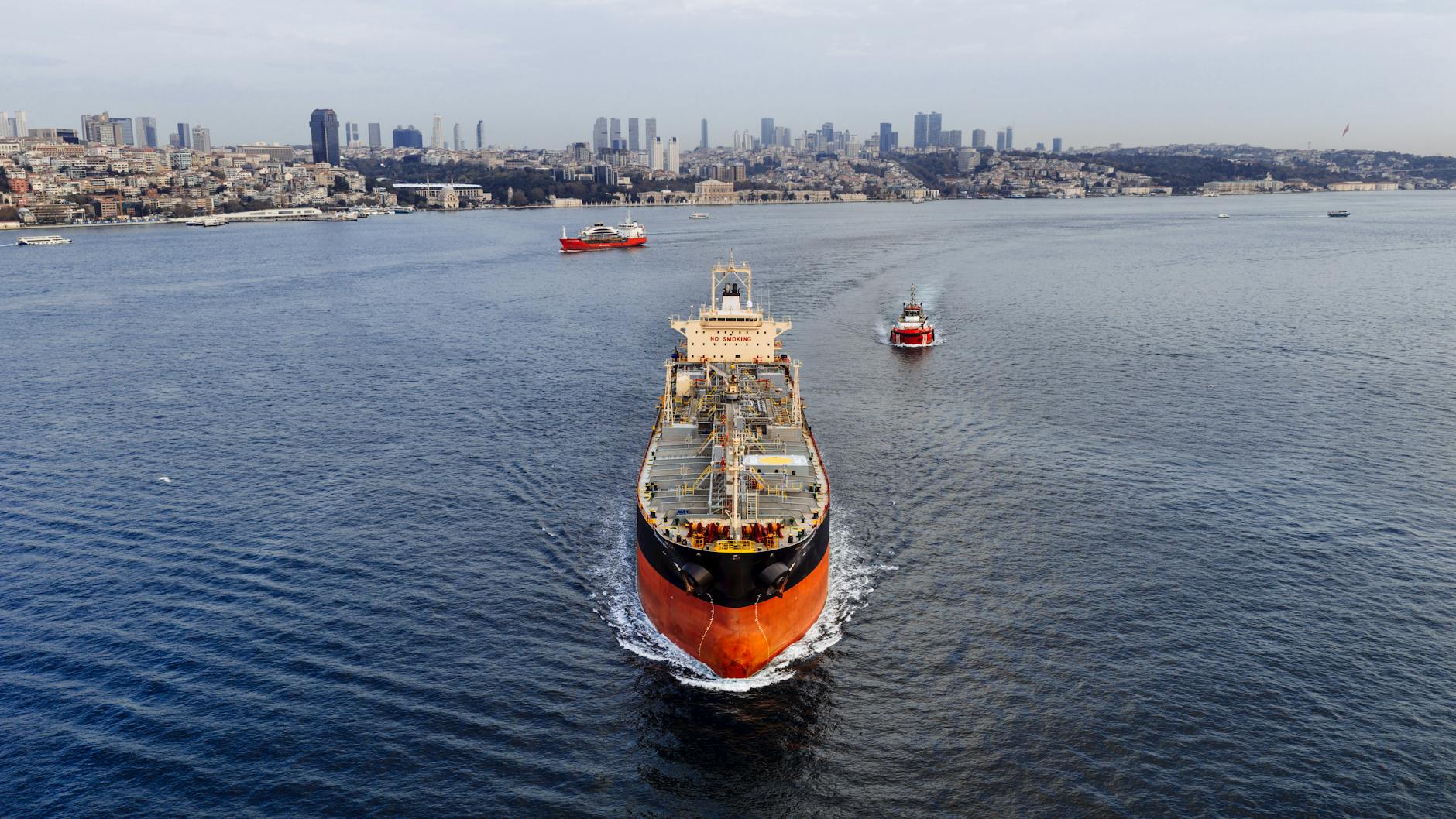
Shipping and logistics firms are particularly sensitive to developments in the Strait of Hormuz. Any disruption to maritime traffic can lead to rerouting, increased insurance costs, and delays, all of which add to operational complexity. Insurers have already begun reassessing risk premiums for vessels operating in the region, a move that could further increase costs across global supply chains.
Market strategists note that the reaction in European equities reflects not only immediate concerns about oil prices but also a broader reassessment of global risk. The interconnected nature of modern financial markets means that shocks in one region can quickly propagate across asset classes and geographies. In this context, the current sell-off can be seen as part of a wider adjustment to evolving geopolitical realities.
Looking ahead, much will depend on the trajectory of tensions in the Strait of Hormuz. A de-escalation could stabilize oil prices and provide some relief to markets, while further escalation could exacerbate volatility and deepen losses. Investors are likely to remain cautious, with a focus on risk management and diversification.
For European policymakers, the episode serves as a reminder of the importance of resilience in the face of external shocks. Efforts to enhance energy security, diversify supply sources, and accelerate the transition to renewable energy will remain central to the region’s economic strategy. At the same time, the immediate challenge lies in navigating the current period of uncertainty without undermining growth.
As trading continues in the coming days, market participants will be closely watching developments in both the geopolitical arena and energy markets. The interplay between these factors will shape the outlook for European equities, inflation, and monetary policy, underscoring the enduring influence of global events on regional economic dynamics.
Leave a Reply