PARIS — Unrest broke out in Paris on Saturday evening as supporters gathered across the French capital during the UEFA Champions League final between Paris Saint-Germain and Arsenal, with police reported to have intervened after clashes, attempted intrusions and disorder near major fan gathering points.
The final itself was being played in Budapest, Hungary, but the security focus in France was concentrated heavily on Paris, where PSG’s presence in European football’s biggest club match drew large crowds to public spaces, bars, streets and viewing areas. The French authorities had anticipated the risk of trouble and mobilised a nationwide security operation before kick-off, with Paris and its surrounding suburbs placed under particularly close surveillance.
French media reported that the police prefecture expected very large crowds in the capital and had prepared an exceptional security plan covering the match, public viewings and other major events taking place in the Paris region on the same day. The operation included crowd-control units, identity checks, restrictions on traffic and measures aimed at preventing the use of pyrotechnics and other objects that could be used in clashes.
By the early evening, police had already carried out more than a thousand checks in Paris, according to reports citing official information. Several arrests were recorded before the match had fully developed, and officers seized flares, mortar-style fireworks and other prohibited items. Authorities also issued fines and maintained a strong presence around areas likely to attract PSG supporters.
The most closely watched site was the Parc des Princes, PSG’s home stadium in western Paris, where thousands of people had gathered for a broadcast of the final. The match was not being played in the French capital, but the stadium and its surrounding streets remained a focal point for supporters. Reports said police repelled an attempted forced entry into the stadium area after a group tried to push through security lines once the match was under way.
Interior Minister Laurent Nuñez said earlier in the week that France would deploy 22,000 police officers and gendarmes nationwide for the final, including 8,000 in Paris and the surrounding area. The deployment reflected official concern that even a match staged abroad could produce unrest in the French capital, especially given PSG’s recent history of European finals and the scale of public expectation around the club.
The police operation was also shaped by the broader events calendar in Paris. The city was hosting or managing several other large gatherings on the same day, including Roland-Garros, a rugby fixture and major concerts in the wider Paris region. Officials had warned that the combination of football crowds, transport pressure and late-night gatherings could create a volatile environment if the final produced either celebration or frustration among supporters.
Scenes of tension were reported in central Paris and around tourist-heavy districts, where police in riot gear moved to contain groups throwing objects and disrupting streets. Some cafés and businesses in affected areas reportedly reduced activity or closed screenings as the atmosphere deteriorated. The unrest complicated movement for residents and visitors in areas already subject to crowd restrictions and police controls.
Authorities had sought to avoid a repeat of previous football-related disorder in Paris. PSG’s Champions League run has repeatedly drawn large crowds to the Champs-Élysées, the Parc des Princes and other symbolic locations. Previous celebrations and post-match gatherings have been marred by vandalism, clashes with police, damaged street furniture, looting attempts, vehicle fires and mass arrests.
The 2025 Champions League celebrations, when PSG won the competition, remained a key reference point for police planning. That night, violence broke out around the Champs-Élysées and near the Parc des Princes, despite a large security deployment. Hundreds of people were arrested in France, most of them in Paris. The following night also brought further arrests, prompting officials to treat major PSG fixtures as high-risk public-order events.
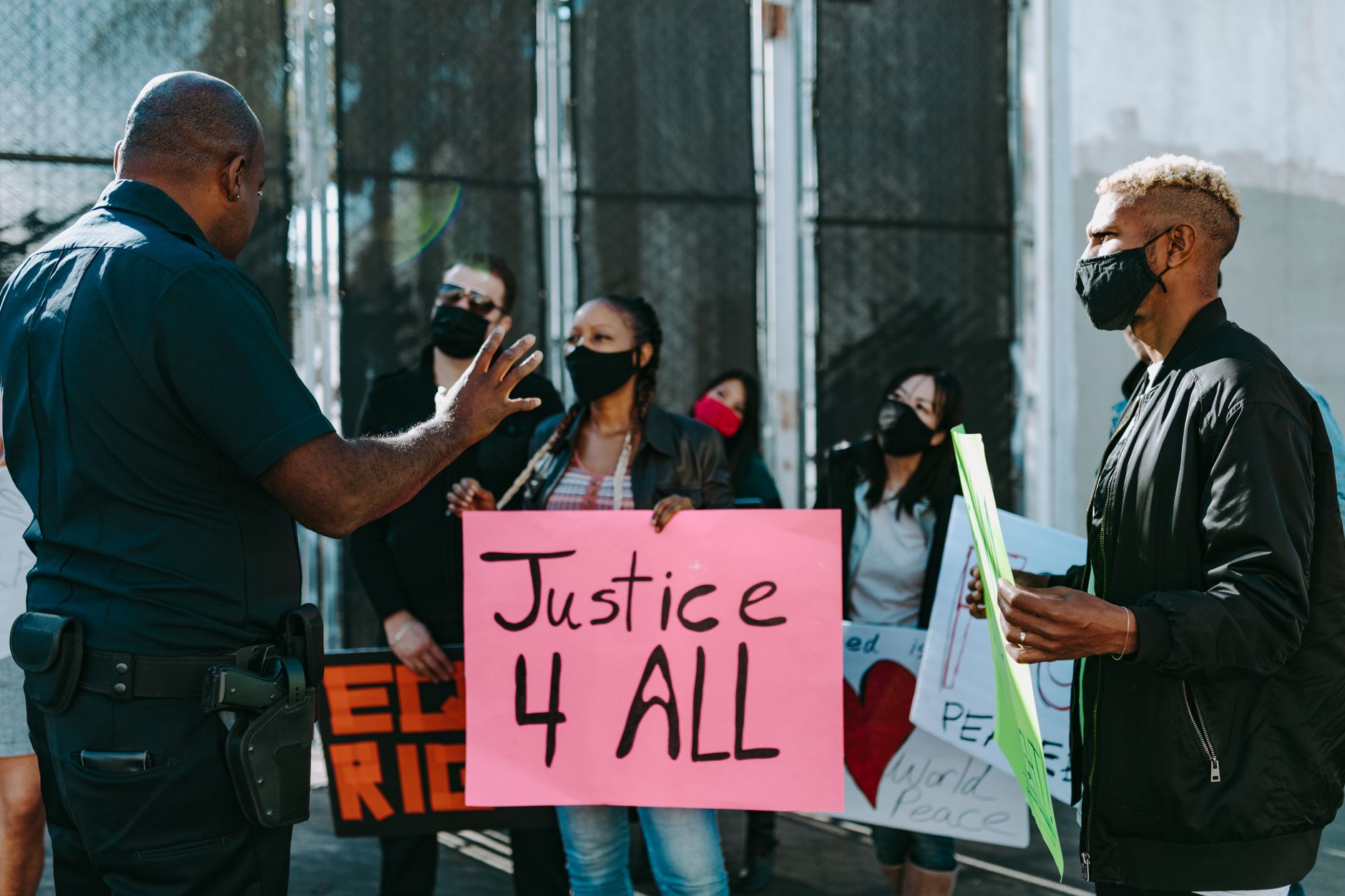
On Saturday, the policing strategy aimed to separate ordinary supporters and families from smaller groups considered likely to seek confrontation. Officials repeatedly emphasised that the security plan was designed both to protect a public sporting celebration and to respond quickly to disorder. The visible police presence around known gathering sites reflected that dual purpose: allowing crowds to assemble while retaining the ability to disperse violent groups.
The Champs-Élysées, traditionally a gathering point for football celebrations in Paris, was subject to restrictions and traffic controls. Businesses in some areas had prepared for the possibility of disorder, while public authorities warned against the use of fireworks, flares and improvised projectiles. Officers were also positioned around transport hubs and key routes connecting fan zones, central Paris and the Parc des Princes.
The unrest unfolded as the match in Budapest became a major European sporting spectacle. The Puskás Aréna hosted Arsenal and Paris Saint-Germain in a final carrying strong symbolic weight for both clubs. PSG entered the fixture as one of European football’s dominant recent forces, while Arsenal’s supporters saw the match as a chance for a historic continental title. The sporting stakes helped generate intense public attention in both France and Britain.
Although UEFA’s operational responsibility centred on the stadium and official fan arrangements in Budapest, the Paris unrest demonstrated how the security footprint of a Champions League final extends well beyond the host city. Modern football finals create multiple event zones across Europe: the stadium itself, fan zones abroad, local club cities, transport nodes and informal public viewing sites. Each can become a public-order challenge even when no match is taking place there.
In Budapest, Hungarian authorities also prepared a major security operation around the final, with large numbers of officers deployed to manage ticketed supporters, fan zones and the expected presence of ticketless fans. Reports earlier in the day described isolated confrontations between rival supporters in the Hungarian capital. Those incidents added to the wider security concerns surrounding the fixture, though the Paris disturbances were linked primarily to gatherings in PSG’s home city.
The Paris police response focused on preventing crowd surges, protecting businesses and maintaining access for emergency services. In large football gatherings, officials typically attempt to keep moving corridors open, prevent bottle-necks near metro stations and stop groups from forming hard barriers against police lines. The attempted intrusion at the Parc des Princes highlighted one of the central risks: a dense crowd trying to enter or overrun a controlled site once the match atmosphere intensifies.
Police use of crowd-control tactics in such settings is frequently scrutinised in France, where demonstrations, celebrations and football gatherings have all generated debate over proportionality, preventive arrests and the deployment of tear gas. Authorities argue that rapid intervention is necessary when objects are thrown or when groups attempt to force access to restricted areas. Civil-liberties advocates and local residents often call for clearer planning to avoid trapping peaceful crowds between police cordons and disorderly groups.
For Paris city officials, the immediate priority was to restore order while preserving safe routes for spectators leaving public viewing areas. The timing of the final created additional pressure because late-evening departures from fan sites overlapped with nightlife crowds, tourists and people leaving other events. Any disruption around metro lines, bus routes or central avenues risked spreading congestion across the city.
The disorder also raised concerns for local businesses. Bars and cafés benefit from football nights, but high-risk fixtures can force owners to choose between staying open for match revenue and closing early to protect staff, customers and property. Shops in areas previously affected by football-related damage have sometimes used boarding or temporary closures when PSG’s European matches are expected to draw large crowds.
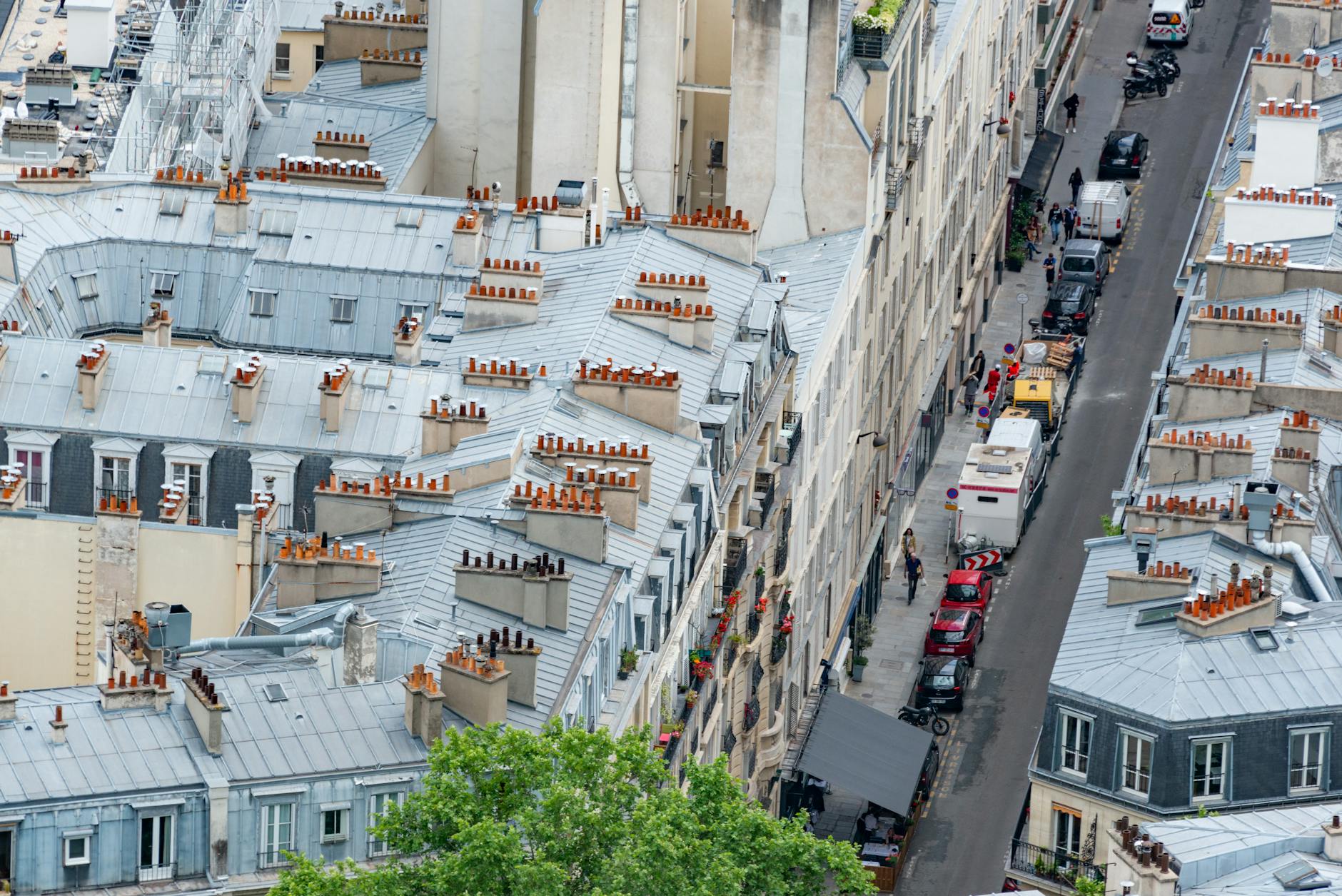
Tourists were another exposed group. Central Paris remained busy with visitors throughout the evening, and several of the areas associated with reported disorder are close to landmarks, shopping streets and major transport routes. Even brief clashes can create confusion for visitors unfamiliar with police cordons, transport changes or evacuation routes. The authorities’ challenge was therefore not only to contain violent groups but also to prevent panic or secondary crowd movements.
The unrest is likely to feed into a wider European debate about football security and the management of major finals. UEFA and national authorities have spent recent years revising procedures for ticketing, crowd flows, fan segregation and policing after high-profile security failures and public-order incidents. While Saturday’s Paris clashes did not occur at the final venue, they illustrated the importance of coordinated planning between the host city, club cities and national police forces.
The Paris incidents also showed the limits of deterrence. The scale of the deployment was large, and officials had publicly warned that disorder would be met with firmness. Nevertheless, small groups were still able to trigger confrontations, damage public property and disrupt public spaces. For police planners, that pattern suggests that manpower alone may not prevent unrest unless combined with intelligence work, targeted exclusions, controlled viewing sites and rapid separation of violent groups from broader crowds.
Political reaction in France was expected to focus on whether the security plan was sufficient and whether authorities should alter future arrangements for high-stakes football nights. The presence of 8,000 officers in the Paris region was already a major commitment at a time when police resources were also needed for other events. Any significant injuries, property damage or transport disruption would intensify scrutiny of the Interior Ministry and the Paris police prefecture.
For PSG, the disturbances risked overshadowing what should have been a sporting occasion centred on the club’s place in another Champions League final. The club’s large supporter base includes families, long-time season-ticket holders and organised fan groups who participate peacefully in major events. But recurring disorder around some PSG-linked celebrations has created a reputational and operational challenge for the club, city authorities and police.
For Arsenal supporters, the main official focus remained Budapest, where travelling fans attended the final under Hungarian policing and UEFA security arrangements. However, the fixture’s impact in London and Paris was also being monitored because both cities expected large public gatherings around the result. European police forces increasingly prepare for such matches as multi-city events rather than isolated stadium operations.
As Saturday night continued, French authorities were expected to update arrest figures, injury reports and damage assessments. Early reports indicated that checks, arrests and seizures had already taken place before the most serious disorder was contained. The full scale of the unrest was likely to become clearer after police, transport operators and emergency services completed their overnight assessments.
The immediate lesson from Paris was that the Champions League final can trigger significant public-order risks even hundreds of kilometres from the pitch. The combination of a local club in the final, dense urban gathering points, symbolic celebration sites and groups seeking confrontation created a volatile environment despite extensive planning. For European cities, the episode reinforced a growing security reality: elite football finals are no longer single-venue events, but distributed civic tests across several capitals at once.
Leave a Reply