A medieval pandemic that transformed European society also left a delayed and largely hidden mark in some of the continent’s oldest living trees, according to a new study that uses radiocarbon dating to connect ancient oak forests in Italy with the demographic shock of the Black Death.
The research, published in the Proceedings of the National Academy of Sciences, examined two distinct Mediterranean oak populations: evergreen holm oaks on Montecristo Island, off the Tuscan coast, and deciduous sessile oaks in the Aspromonte mountains of southern Italy. Despite their different ecological settings, the two forest systems showed a similar historical signal. Many of the oldest trees became established after the mid-14th century, with a pronounced pulse beginning in the early 1400s, shortly after the Black Death first swept through Europe in 1347.
The authors interpret that timing as evidence of forest recovery following a sharp reduction in human pressure. In the decades after the pandemic, agricultural activity, grazing, fuelwood collection and other forms of land use declined across large parts of Europe as rural populations fell. The study argues that the reduction in disturbance created openings for forests to regenerate, allowing trees that remain alive today to take root in landscapes that had previously been subject to intensive human use.
The findings do not suggest that plague alone reshaped every European forest in the same way. Rather, the research identifies a clear age-structure signal in two protected Italian forest systems and uses it to show how historical shocks can become embedded in living ecosystems. The result is a rare biological record of a social catastrophe: the trees did not record the disease itself, but they appear to preserve the ecological consequences of the demographic collapse that followed.
The Black Death, caused by the bacterium Yersinia pestis, is widely understood to have killed a large share of Europe’s population in the 14th century, though mortality varied sharply by region. In heavily affected areas, depopulation changed land management patterns for decades. Fields were abandoned, marginal pastures contracted, forests expanded and pressure on woodland resources eased. The new study places ancient oaks within that broader historical context, using tree ages to show how reduced exploitation may have enabled long-lived trees to establish and survive.
On Montecristo Island, researchers found a particularly strong regeneration signal. The island’s holm oaks, growing between roughly 100 and 500 metres above sea level, benefited from relatively favourable coastal conditions. According to the study, tree establishment there increased markedly within about a century of the Black Death. The coastal site’s climate and reduced disturbance appear to have supported a faster recovery, allowing a cohort of long-lived oaks to become established in the post-pandemic period.
The Aspromonte mountain site showed a related but more gradual pattern. Sessile oaks there grow at higher elevations, between about 1,100 and 1,800 metres above sea level, in a harsher mountain environment. The study found that recovery was more extended and delayed, likely reflecting colder conditions, slower growth, previous degradation and continuing human disturbance. That contrast is central to the research: the same broad historical event may have reduced human pressure in both places, but local ecological conditions shaped how quickly forests responded.
The researchers relied on radiocarbon dating because ancient hardwoods often cannot be dated reliably by standard dendrochronology. Very old trees may be hollow, internally decayed or missing the central wood needed to count annual rings from pith to bark. In Mediterranean oaks, growth rings can also be difficult to interpret. By extracting and dating small fragments of older internal wood, the team reconstructed the age distribution of trees that traditional methods might have underestimated or left undated.
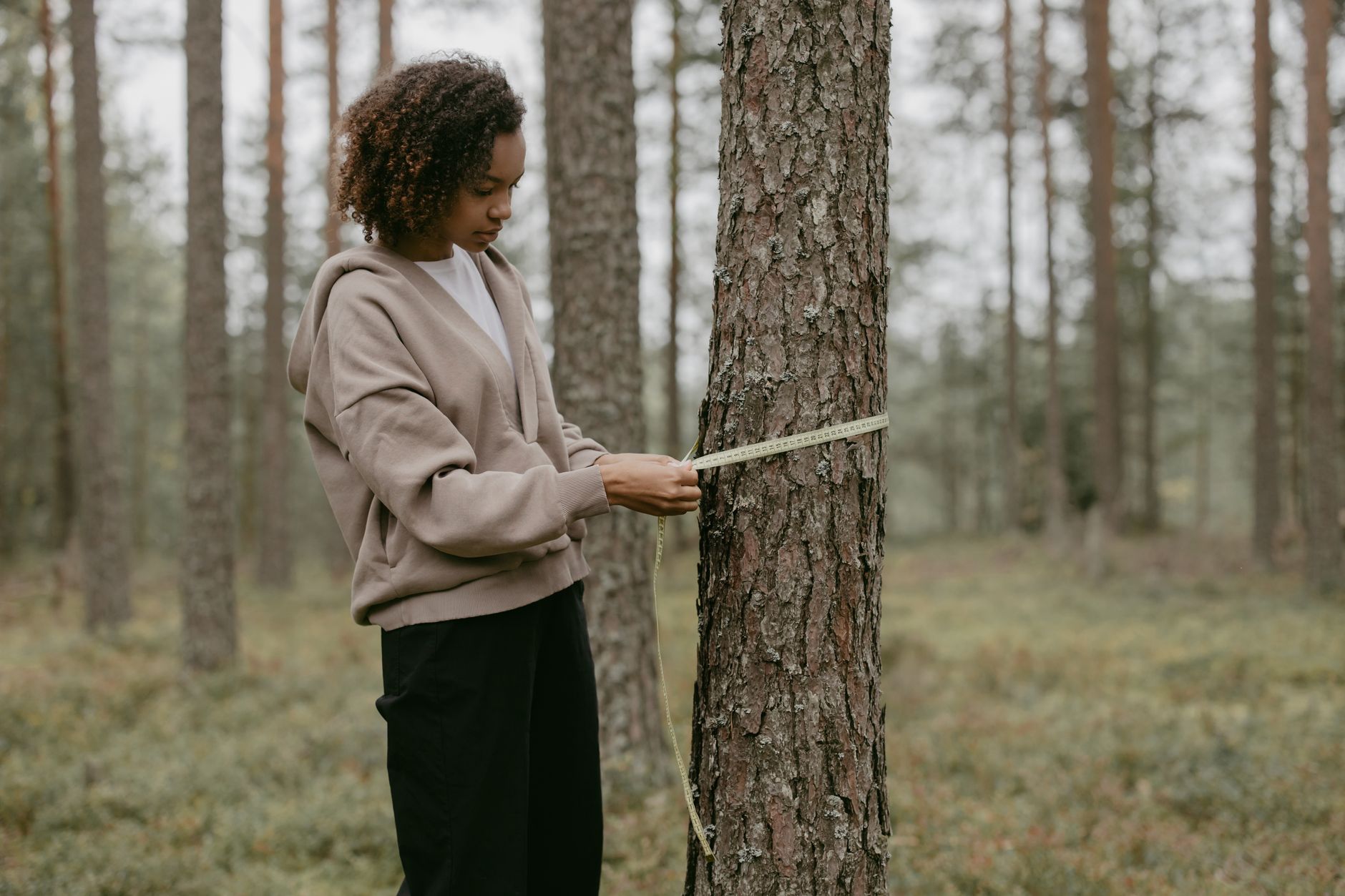
That approach produced two major findings. First, both oak populations included extremely old individuals, confirming that Mediterranean hardwood ecosystems can reach ages once more commonly associated with conifers or other long-lived tree systems. Second, the timing of many tree establishments clustered after the Black Death and subsequent plague waves, indicating that social disruption and ecological regeneration were linked across centuries.
The study reports that some Montecristo holm oaks approached about 950 years of age. That pushes estimates of Mediterranean evergreen oak longevity beyond previous expectations and highlights how tree size can mislead observers. Some of the oldest individuals were not necessarily the largest. Slow-growing trees with modest diameters may have survived for centuries, while larger trees may be much younger. This finding has practical consequences for conservation, because visual assessments based on trunk diameter alone may fail to identify the oldest and most valuable trees.
The authors frame the ancient oaks as living archives. Unlike written records, which document human events from the perspective of institutions, chroniclers or communities, trees preserve environmental responses. Their age structure can reveal when forests expanded, when disturbances eased and when landscape pressure intensified. In this case, the trees point to a period of reduced anthropogenic pressure following one of the deadliest pandemics in recorded history.
The research also contributes to a wider scientific reassessment of the relationship between medieval population collapse and European landscapes. Earlier studies using pollen records, archaeological evidence and historical documents have shown that the Black Death’s ecological effects were uneven. Some regions experienced substantial forest regrowth, while others show little evidence of abandonment or land-use change. The new oak study adds a tree-level record from Mediterranean Italy, strengthening the view that post-pandemic ecological recovery was real in some landscapes but varied by region and environment.
For conservation authorities, the findings underscore the importance of old-growth and ancient-tree protection. The Montecristo and Aspromonte sites are managed within protected areas, with Italian forestry and biodiversity authorities involved in safeguarding the trees. The study notes that threats remain, including damage from feral goats on Montecristo and broader pressures associated with climate change, biodiversity loss and land-use conflict.
Ancient trees are especially difficult to replace. Their ecological value is not limited to age. They can provide habitat for fungi, insects, birds, lichens and other organisms; store long-term genetic adaptations; and preserve structural features that younger forests lack. Once damaged or removed, centuries of ecological continuity are lost. The new research strengthens the case for treating ancient hardwood stands as irreplaceable natural infrastructure rather than simply as old vegetation.
The findings also speak to contemporary rewilding debates. In modern European environmental policy, rewilding is often discussed as a forward-looking strategy: reducing intensive land use, allowing natural processes to return, and using protected areas or low-intervention management to restore biodiversity. The Italian oak record suggests that a version of this process occurred after the Black Death, not through planned policy but through abrupt demographic and economic disruption.
That historical comparison must be used carefully. The Black Death was a human tragedy, not a conservation model. The study does not argue that catastrophe is desirable or that modern restoration should depend on social collapse. Its relevance lies instead in showing how quickly some forest ecosystems may begin to recover when pressure is reduced, and how long the biological consequences of that recovery can persist.
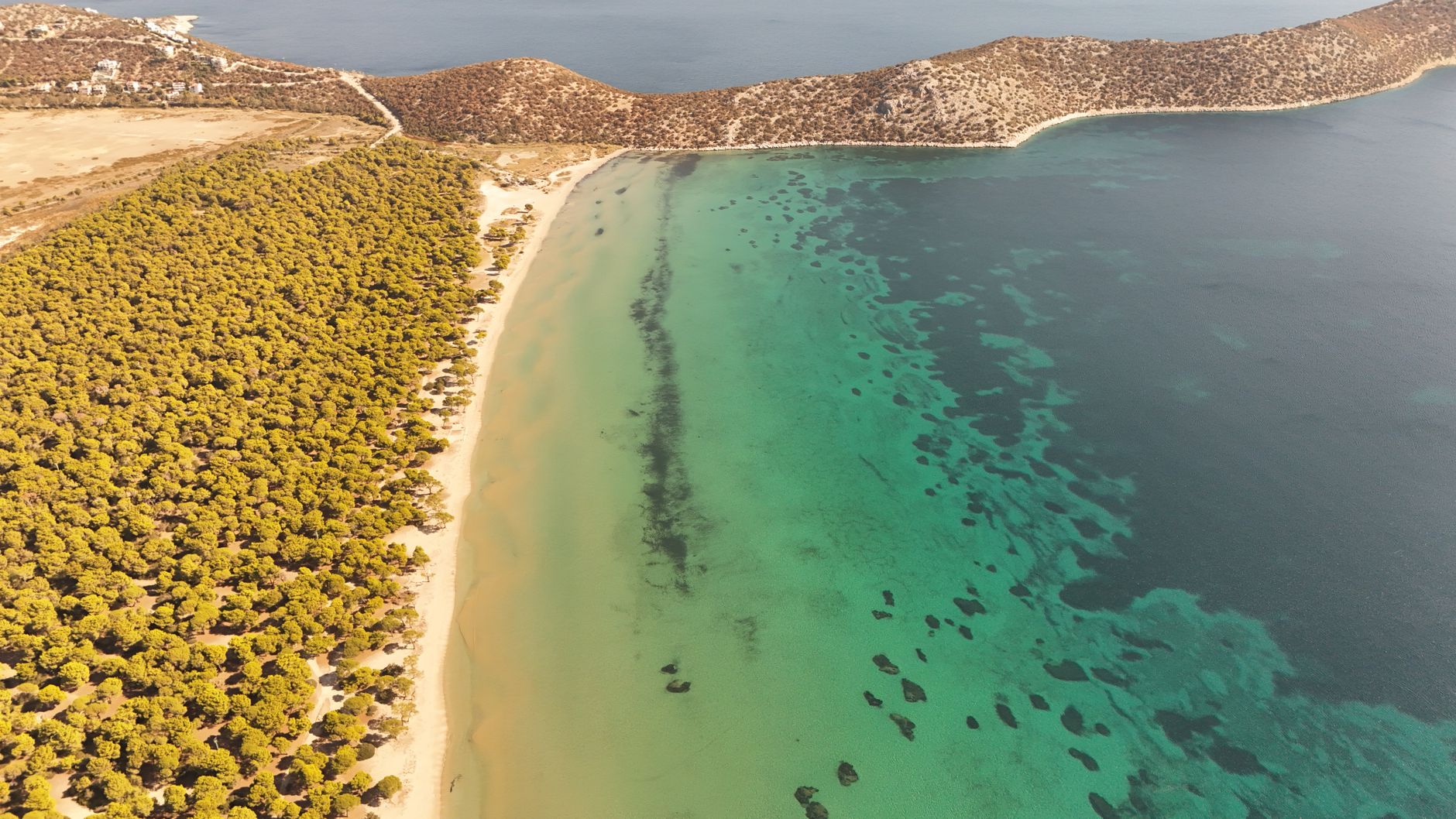
The research also complicates simple assumptions about forest resilience. Montecristo’s faster recovery and Aspromonte’s slower response suggest that reducing human pressure is not always enough to produce the same outcome everywhere. Climate, elevation, soil, prior degradation, grazing history and species traits all influence how forests respond. For policymakers, this points to the need for site-specific restoration strategies rather than uniform expectations for natural regeneration.
Climate change adds urgency to that point. Mediterranean ecosystems are facing rising temperatures, drought stress, wildfire risk and shifting disturbance patterns. Ancient oaks that survived centuries of climatic and social change may hold important information about resilience, but they are not immune to accelerating environmental pressures. Conservation of old trees therefore requires both protection from direct damage and broader management of landscape stress.
The study’s use of radiocarbon dating may also influence future research. Many of Europe’s oldest hardwoods are difficult to age precisely, and underestimation can lead to weaker protection. If radiocarbon methods are applied more widely, scientists may discover that ancient tree populations are older, more widespread or more historically informative than previously assumed. That could reshape inventories of old-growth forests and improve the evidence base for conservation planning.
The research team included scientists from Italian universities and institutions as well as international collaborators. The article identifies Gianluca Piovesan of the University of Tuscia as lead author, with co-authors including Michele Baliva, Franco Biondi, Jordan Palli, Lucio Calcagnile, Alessandro Chiarucci, Raffaele Manicone, Gianluca Quarta, Giovanni Quilghini, Antonino Siclari and Charles H. Cannon. The study’s institutional links include the University of Tuscia, the University of Salento, the University of Bologna, the University of Nevada and Italian forestry authorities.
The article’s title, “Ancient oaks reveal rewilding of Mediterranean forests after the Black Death,” reflects its central claim: that living trees can show how a medieval demographic crisis allowed forests to regain ground. The work places ecology, history and conservation science into a single analytical frame. It treats ancient trees not only as biological organisms but also as witnesses to the long interaction between human societies and European landscapes.
For European readers, the study is a reminder that the continent’s forests are not simply natural backdrops. They have been repeatedly shaped by agriculture, disease, population movement, governance, war, abandonment and recovery. The ancient oaks of Montecristo and Aspromonte survived through that history and now provide evidence of how profoundly human activity can suppress or release ecological processes.
The broader implication is that Europe’s remaining ancient forests and old trees may contain historical records that are still poorly understood. As scientific tools improve, researchers may be able to read those records with greater precision. In this case, the message from the oaks is striking: a pandemic remembered for its toll on human life also altered the pressure humans placed on land, and that change helped create forest legacies still standing nearly seven centuries later.
Leave a Reply