BRUSSELS — The European Union adopted its 21st package of sanctions against Russia on Thursday, expanding restrictions across the country’s energy, banking, cryptocurrency and military-industrial sectors while extending enforcement to companies and financial institutions outside Russia accused of helping Moscow evade existing measures.
The Council of the European Union said the package was designed to strike sectors with the greatest influence on Russia’s economy and its capacity to finance and sustain the war against Ukraine. It follows renewed calls from European leaders to reduce Russian energy income, restrict access to financial infrastructure and close the international supply routes used to obtain equipment and components for weapons production.
The package contains 218 new individual listings, comprising 48 people and 170 entities. According to the Council, it is the largest batch of individual listings imposed by the EU in four years. The designated targets span banking, energy, mining, transport, military manufacturing, drone supply chains, propaganda operations and the network of businesses servicing Russia’s so-called shadow fleet.
EU foreign policy chief Kaja Kallas said the measures were intended to increase the economic and operational pressure on Moscow. The sanctions affect more than 100 banks and cryptocurrency operators through different forms of asset freezes or transaction restrictions, while also reaching oil refineries, shipping companies and entities involved in producing or supplying long-range drones.
The financial provisions substantially widen the EU’s restrictions on Russia’s banking system. The Council imposed asset freezes and a prohibition on making funds or economic resources available to 94 banks and major financial institutions. An individual described by the EU as an important figure in Russia’s banking establishment was also designated.
Separate transaction bans were extended to 33 additional Russian credit and financial institutions. A transaction ban generally prevents EU businesses and individuals from conducting direct or indirect dealings with the listed institution, creating a wider restriction than an asset freeze directed only at funds or property belonging to a designated party.
The measures also target financial intermediaries operating outside Russia. A Kyrgyz bank connected to Russia’s System for Transfer of Financial Messages, known as SPFS, was placed under a transaction ban, as were three other non-Russian banks accused of facilitating sanctions circumvention. SPFS was developed by Russia as an alternative financial-messaging system after restrictions reduced Russian access to Western banking networks.
Cryptocurrency services form another central part of the package. The EU extended its transaction ban to 14 crypto-related service platforms based in Georgia, Panama, the United Arab Emirates, the Marshall Islands, Kyrgyzstan and Belarus. Four additional designations concern the cross-border A7 financial network, including structures connected to its reported expansion into Africa.
For the first time, the sanctions framework includes a mechanism allowing the EU to impose a comprehensive prohibition on crypto-asset services from a third country. The instrument could be used to ban transactions between EU operators and any cryptocurrency provider identified as supporting Russia’s sanctions-evasion activities, increasing the potential consequences for jurisdictions that host such platforms.
The new powers reflect the EU’s effort to respond to the changing methods used to move funds across borders. As restrictions on conventional banks have widened, European officials have increasingly focused on digital assets, payment platforms, offshore institutions and corporate structures that can obscure the origin, ownership or destination of transactions.
Energy remains the most economically significant part of the package. The EU paused the automatic adjustment mechanism governing the price cap on Russian oil until July 15, 2027. The Irish government, which holds the rotating presidency of the Council of the EU, said the decision would keep the cap at approximately $44 per barrel for another 12 months.
The mechanism had been designed to adjust the ceiling in response to changes in global oil prices. European authorities decided to suspend that process amid exceptional market conditions and disruption to international energy supply routes, including the closure of the Strait of Hormuz. The Council said an interim review would determine whether continuing the suspension remained necessary and proportionate.
The oil price cap does not directly prohibit Russia from selling crude to countries outside the EU. Instead, it restricts European shipping, insurance and financial services for Russian oil sold above the agreed ceiling. By maintaining access to such services only for lower-priced cargoes, the system is intended to limit Russian revenue while avoiding a sharp removal of oil from the global market.
The package also adds 41 vessels to the EU’s shadow-fleet sanctions list, bringing the number covered by such measures to 673. The listed ships include non-EU tankers accused of carrying Russian oil while circumventing the price cap, supporting the Russian energy sector, transporting military equipment or moving grain taken from occupied Ukrainian territory.
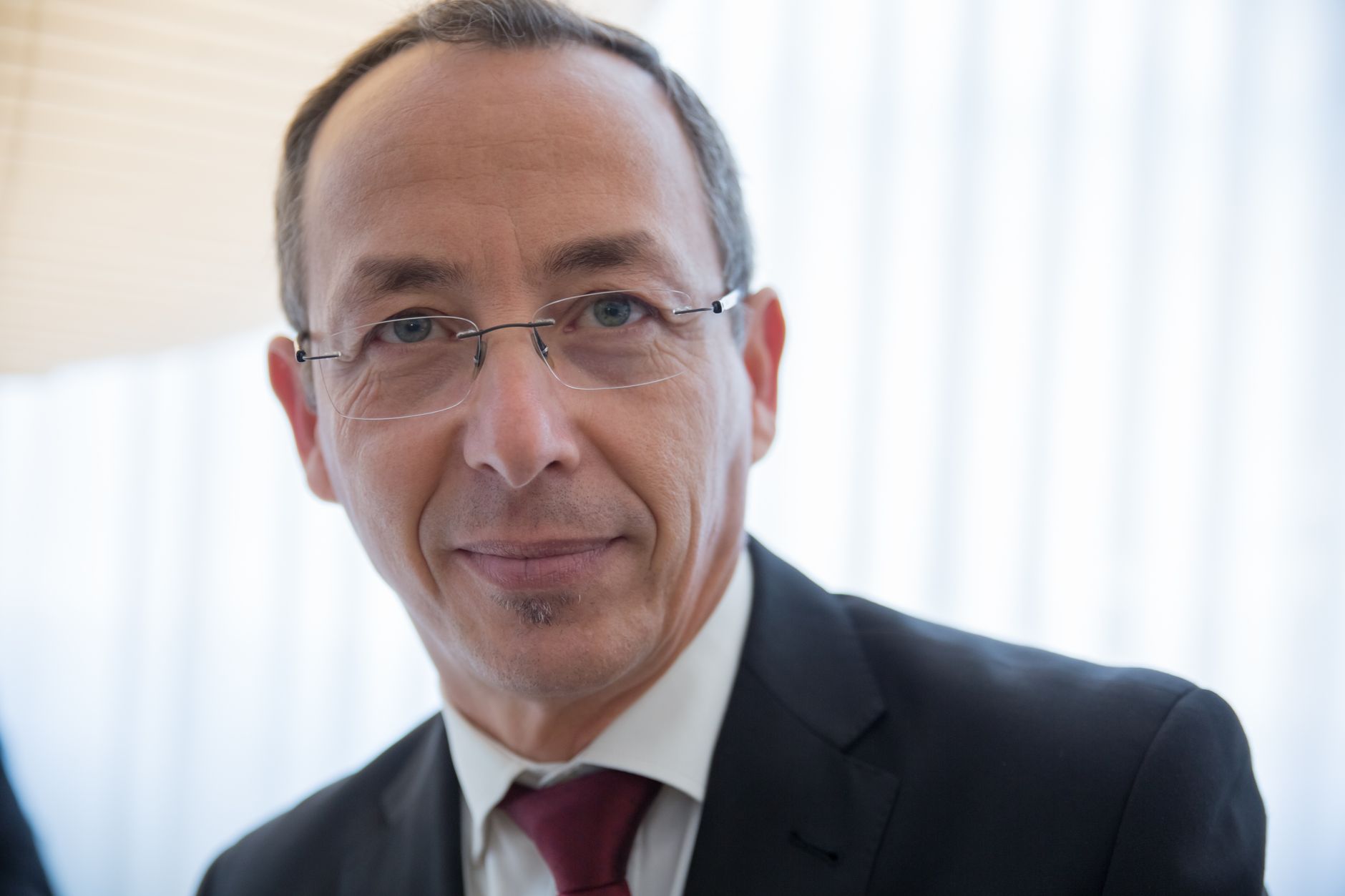
The scope of the shadow-fleet provisions has been expanded beyond the tankers carrying cargo. Vessels and businesses that support sanctioned ships through bunkering, staffing or other services can now be targeted. Eight entities and one individual involved in the shadow-fleet ecosystem were designated, including companies operating on behalf of Russian oil producers and, for the first time, a crewing agency accused of supplying personnel to the network.
Western authorities use the term shadow fleet to describe tankers that frequently operate through opaque ownership structures, flags of convenience, irregular insurance arrangements and complicated ship-management networks. Some are older vessels whose ownership, maintenance standards and liability coverage are difficult to establish, creating environmental and maritime-safety concerns in addition to sanctions-enforcement challenges.
The EU also expanded direct pressure on oil processing and trading. Eighteen entities and one individual in the oil sector were designated. The targets include three refineries in Russia, a major refinery in Belarus and a company established to distribute Belarusian petroleum products in the Russian market.
The package creates a legal basis for prohibiting transactions with listed refineries in Russia or third countries that process Russian crude oil and petroleum products. A transaction ban on a refinery in Kulevi, Georgia, accused of trading and processing Russian oil will enter into force after a six-month transition period.
Five oil traders were also added to the EU’s transaction-ban list for allegedly frustrating restrictions on the purchase of Russian crude oil and petroleum products. These measures address the commercial intermediaries that arrange cargoes, contracts, payments and ownership transfers, rather than concentrating exclusively on Russian producers or transport vessels.
Additional infrastructure measures extend transaction bans to two Russian ports and four Russian airports. The EU also designated a significant cross-border energy supplier and a prominent figure associated with Russian Railways, reflecting the package’s focus on the transport and logistics networks that connect Russian exporters with foreign markets.
The package introduces notification requirements for sales of liquefied natural gas tankers and establishes the possibility of further restrictions on selling such vessels to Russian citizens or companies. Contracts involving LNG carriers will also require safeguards intended to reduce the risk that ships are resold to Russia or ultimately used in Russian operations.
These provisions are more limited than an immediate general prohibition on LNG tanker transactions. They nevertheless give authorities greater visibility into vessel transfers and provide a foundation for intervention when there are indications that a tanker could be diverted to Russian ownership, control or use.
European officials also targeted other commodities that provide export income. Seven major actors in the Russian gold sector were designated, alongside a significant diamond company and entities operating in mining and metallurgy. Such listings can isolate companies from EU capital, services, equipment and commercial partners even where the underlying commodity is sold mainly outside Europe.
Restrictions on Russia’s military-industrial complex account for another major part of the sanctions. The EU listed 56 people and companies involved in military production, including 37 targets directly connected to the manufacture or supply of long-range drones. Russian forces have used such systems extensively in attacks against Ukrainian cities, energy facilities and other infrastructure.
The Council added 51 entities to the list subject to stricter export restrictions on dual-use goods and advanced technology. Some are based in Russia, while others operate in China, including Hong Kong, India, Kazakhstan, Kyrgyzstan, Türkiye and the United Arab Emirates.
The third-country entities are accused of supporting Russian procurement or helping circumvent export controls covering microelectronics, computer numerical control machine tools and semiconductor-processing equipment. Their inclusion signals that the EU is increasingly prepared to impose commercial consequences on foreign companies that maintain supply channels into Russia.
The expanded export ban covers additional materials and technologies that can be used by the Russian military industry. These include nickel powders and specialised metals used in corrosion-resistant coatings for jet engines, beryllium powders used in propellants and high-performance alloys, and self-adhesive films, tapes and strips used in aerospace and defence manufacturing.
Controls also cover aviation and drone-related equipment, including ground-support systems, jamming and interception technology, launch systems, servomotors and flight-termination systems for drones and missiles. The restrictions are intended to affect both complete equipment and smaller components that can be incorporated into domestically assembled weapons.
The EU introduced further import restrictions on Russian goods that generate significant export revenue. The affected trade is valued at more than €60 million and includes copper, nickel, lead and precious-metal ores, unwrought zinc, alkaline-earth metals, zinc oxides, chromium oxides, glassware, imitation pearls and certain car parts.
Measures imposed on Belarus largely mirror the new restrictions on Russia. They include import bans on goods considered important sources of Belarusian revenue, export controls on items connected to military production and legal safeguards for European businesses affected by retaliatory litigation.
The sanctions package also establishes the basis for a comprehensive visa ban covering combatants and former combatants from the Russian armed forces and affiliated proxy groups that have participated in the war against Ukraine. The ban will not become operational immediately; the Council must take a separate decision on when it enters into force.
Eight individuals were designated for spreading Russian war propaganda and contributing to narratives used to justify or obscure the invasion. The package also lists a Russian major general whom the EU accuses of involvement in torture, executions and the desecration of Ukrainian military personnel’s bodies, including those of prisoners of war.
European companies receive additional legal protection against litigation initiated in Russia over compliance with EU sanctions. Courts and national authorities in EU member states will be permitted to refuse recognition or enforcement of judgments obtained through proceedings in Russian courts when those cases arise from European restrictive measures.
The provision responds to efforts by sanctioned companies and Russian authorities to pursue claims against European businesses that ended contracts, blocked payments or withdrew services to comply with EU law. Without common protections, companies could face conflicting legal obligations or attempts to enforce Russian judgments against assets in Europe.
Implementation will depend on customs agencies, financial supervisors, banks, port authorities, shipping registries and other national enforcement bodies across the 27 member states. Companies dealing with energy, transport, finance, industrial equipment and international trade will be expected to update sanctions screening and examine beneficial ownership, payment routes and the ultimate destination of controlled goods.
The agreement was reached during the opening weeks of Ireland’s presidency of the Council of the EU. Irish Foreign Minister Helen McEntee said the package demonstrated continued European support for Ukraine and would place additional pressure on Russian revenue streams, shadow-fleet operations and international supply chains.
EU sanctions require unanimity among member states, and the final agreement followed prolonged negotiations over energy, maritime transport and other commercially sensitive sectors. The adopted package combines broad new listings with legal instruments that can be activated later, allowing the bloc to preserve political agreement while retaining options for further restrictions.
The measures do not by themselves prevent Russia from selling energy, minerals or other goods to non-European buyers. Their intended effect is to increase the cost and complexity of those transactions by restricting access to European finance, shipping, insurance, technology and markets, while penalising foreign intermediaries that support alternative routes.
The practical impact will therefore depend on enforcement and international coordination. Vessels can change names, flags, managers and registered owners; companies can be replaced by new legal entities; and financial flows can move through multiple jurisdictions. European authorities will have to monitor those changes and issue updated designations if the restrictions are to remain effective.
The Council said the package formed part of a wider effort to pressure Russia to end its war and enter negotiations toward a just and lasting peace. EU leaders have also said sanctions must be combined with continued political, financial, humanitarian and military support for Ukraine and closer coordination with the Group of Seven and other international partners.
Leave a Reply