European financial markets opened a new period of heightened attention toward energy-related risks on Monday as investors assessed the potential economic consequences of continuing security tensions in the Middle East. Oil and gas markets remained sensitive to developments in a region that plays a central role in global energy production and international trade routes.
Although European energy supplies have become more diversified in recent years, market participants continue to view geopolitical instability in the Middle East as a significant factor that can influence prices, inflation expectations and business confidence. The region remains important for global oil flows, liquefied natural gas markets and maritime transport networks connecting energy producers with international consumers.
European stock markets, currency traders and commodity investors are closely watching whether the latest tensions could affect physical energy supplies or create broader uncertainty in global markets. Energy companies, industrial manufacturers and transport operators are among the sectors most directly exposed to changes in fuel and electricity costs.
The European Union has reduced its dependence on individual energy suppliers through increased imports from multiple regions, expanded renewable energy production and investment in infrastructure such as LNG terminals and electricity interconnections. However, officials have repeatedly noted that Europe remains connected to global energy markets, meaning international disruptions can still influence domestic prices.
Market analysts are particularly focused on the possibility of higher oil prices creating renewed inflation pressure. Energy costs have previously contributed significantly to inflation movements across Europe, affecting household purchasing power and increasing production expenses for companies. A sustained increase in energy prices could complicate economic planning for governments and businesses.
The European Central Bank and national policymakers have continued to monitor energy-related inflation risks when assessing economic conditions. While energy prices are only one component of overall inflation trends, sharp movements in fuel and utility costs can influence expectations among consumers and companies.
Energy traders are also watching shipping conditions in strategically important waterways. Disruptions to maritime routes could increase transportation costs and extend delivery times, even if physical supply remains available. Insurance costs, security measures and changes in shipping patterns can all contribute to higher market prices.
European governments have increased their focus on energy resilience since previous supply disruptions exposed vulnerabilities in the continent’s energy system. Measures have included maintaining emergency reserves, improving infrastructure flexibility and developing partnerships with a wider range of energy producers.
The transition toward renewable energy has become another central element of Europe’s long-term energy security strategy. Wind, solar and other renewable sources reduce exposure to imported fossil fuels, although energy storage, grid capacity and seasonal supply variations remain challenges for many European economies.
Officials across Europe have emphasized that energy security requires a combination of short-term stability measures and long-term structural reforms. These include maintaining reliable energy supplies while continuing investment in low-carbon technologies and efficiency improvements.
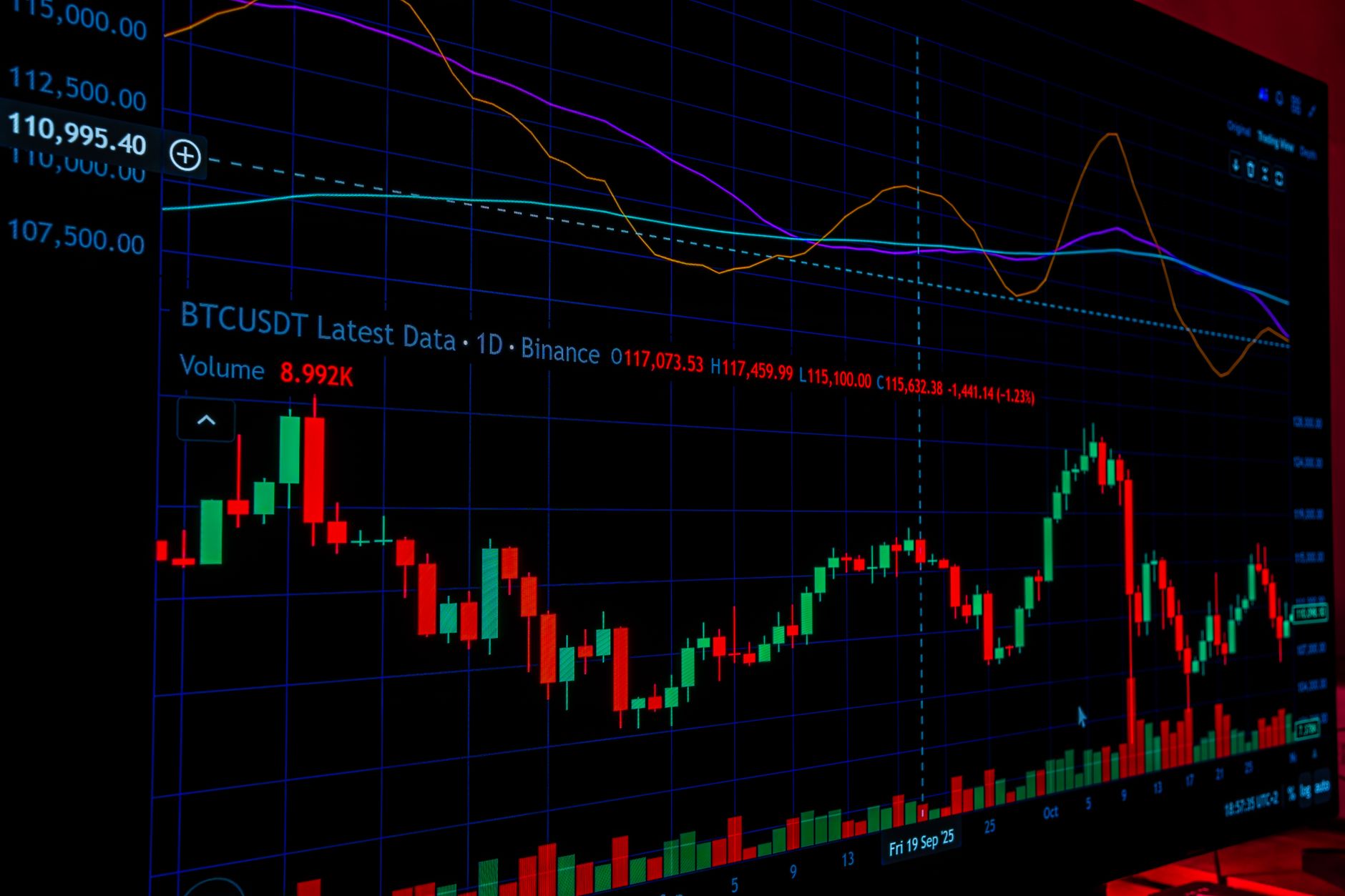
Financial markets are also considering the possible impact on European industries that rely heavily on energy inputs. Sectors including chemicals, metals, manufacturing and transportation remain sensitive to energy price changes because fuel and electricity represent major operating costs.
For businesses, uncertainty around future energy prices can affect investment decisions, production planning and competitiveness. Companies with high energy consumption are particularly interested in predictable supply conditions and stable pricing environments.
European consumers are also watching developments because household energy costs remain a politically sensitive issue. Governments across the continent have previously introduced measures to reduce the impact of energy price spikes, including targeted financial support, tax adjustments and market interventions.
However, policymakers face challenges in responding to international energy shocks while maintaining fiscal discipline and supporting long-term climate objectives. Broad energy subsidies can provide short-term relief but may increase public spending pressures and delay market adjustments.
The current market attention comes as Europe continues to reshape its energy landscape following years of disruption in global energy markets. The continent has accelerated efforts to diversify supply chains, expand renewable generation and strengthen cooperation with international partners.
Energy security discussions increasingly include not only traditional fuel supplies but also infrastructure protection, cyber resilience and the stability of critical energy networks. Modern energy systems depend on complex digital and physical infrastructure that requires continuous investment and protection.
European energy companies are assessing operational risks while maintaining close communication with governments and international partners. Many firms have increased contingency planning in response to recent geopolitical uncertainty affecting global commodity markets.
The European Commission has continued to promote measures aimed at improving energy independence and reducing vulnerability to external shocks. These policies include renewable energy expansion, energy efficiency improvements and diversification of import sources.
International energy agencies have also highlighted the importance of market flexibility and emergency preparedness. Strategic reserves, demand management and coordinated international responses are considered important tools for limiting the impact of unexpected supply disruptions.
Investors are now attempting to determine whether current concerns will result in temporary market volatility or create a longer period of uncertainty. Commodity markets often react quickly to geopolitical developments, but price movements can moderate if supply networks remain stable.
The euro and European equity markets may also respond to changes in energy expectations. Higher energy costs can affect trade balances, corporate earnings and inflation forecasts, while stable markets may reduce pressure on policymakers.
European governments have so far maintained that energy supplies remain secure and that existing preparation measures provide protection against short-term disruptions. Nevertheless, officials continue to monitor international developments because energy markets remain highly interconnected.
The situation demonstrates the continuing importance of energy security as a strategic issue for Europe. While the continent has made progress in reducing certain vulnerabilities, global markets mean that external geopolitical events can still have direct economic effects.
Investors, policymakers and businesses are expected to continue tracking several key indicators, including oil prices, natural gas benchmarks, shipping conditions and official statements from major energy-producing countries.
European energy policy is increasingly shaped by the need to balance three objectives: maintaining affordable energy, ensuring reliable supply and meeting climate targets. The latest market developments have renewed attention on how Europe can strengthen resilience while managing the economic consequences of global uncertainty.
As markets assess the evolving security situation in the Middle East, European officials are expected to maintain coordination with international energy partners and continue efforts to reduce exposure to future disruptions.
The coming weeks will provide further indications of whether current energy market concerns remain limited to financial volatility or develop into a broader economic challenge. For Europe, the episode reinforces the importance of diversified supply chains, strategic planning and continued investment in a more resilient energy system.
Leave a Reply