The European Union has entered a more intensive stage of negotiations over its next multiannual financial framework, with member states and EU institutions attempting to bridge differences over the scale, structure, and priorities of the bloc’s long-term budget. The talks are focused on defining the financial architecture that will guide European spending programmes after the current budget cycle ends, affecting policies that range from regional development and agricultural support to research, digital transformation, climate investment, and security-related initiatives.
The negotiations represent one of the most significant decision-making processes within the European Union because the multiannual budget determines the financial resources available for major EU programmes over several years. Unlike annual national budgets, the EU’s long-term financial framework requires agreement among member states, the European Commission, and the European Parliament, creating a complex negotiation process involving multiple political and economic interests.
Discussions have become increasingly focused on how the EU should respond to a changing strategic environment while managing pressure on public finances across member states. Governments are weighing demands for greater investment in competitiveness and resilience against concerns about increasing national contributions and maintaining fiscal discipline.
EU officials have highlighted the need for a budget that reflects new priorities facing the bloc, including technological development, industrial capacity, energy security, defence cooperation, migration management, and support for regions undergoing economic transition. At the same time, several traditional spending areas remain politically sensitive, particularly agricultural policy and cohesion funding, which have historically represented a substantial share of EU expenditure.
The European Commission has argued that future spending plans must provide greater flexibility to address unexpected challenges while ensuring that long-term investment objectives are protected. Negotiators are examining potential adjustments to existing funding structures, including ways to make programmes more responsive and targeted while preserving commitments to regional equality and social development.
Member states have approached the negotiations from different perspectives. Countries that are major recipients of EU funds have stressed the importance of maintaining support for infrastructure, agriculture, and regional development projects. Others have called for a stronger focus on strategic investment areas such as research, innovation, industrial competitiveness, and defence-related capabilities.
The debate over the size of the future budget remains one of the central issues. Increasing EU spending would require agreement on higher national contributions or alternative sources of revenue, while limiting the overall budget could constrain the bloc’s ability to expand investment in emerging priorities. Governments are therefore seeking a balance between ambition and financial responsibility.
Another major issue concerns the allocation of funds between established programmes and new strategic initiatives. The EU has faced growing calls to strengthen its economic position amid competition from other major global economies. Supporters of increased investment argue that Europe needs stronger funding mechanisms for technology, clean industries, supply-chain resilience, and research capacity.
However, negotiations also involve broader political questions about how funding should be linked to policy objectives. Discussions have included conditions related to economic reforms, governance standards, and the implementation of EU priorities. Such mechanisms have previously generated debate among member states over national sovereignty and the role of EU institutions in overseeing spending decisions.
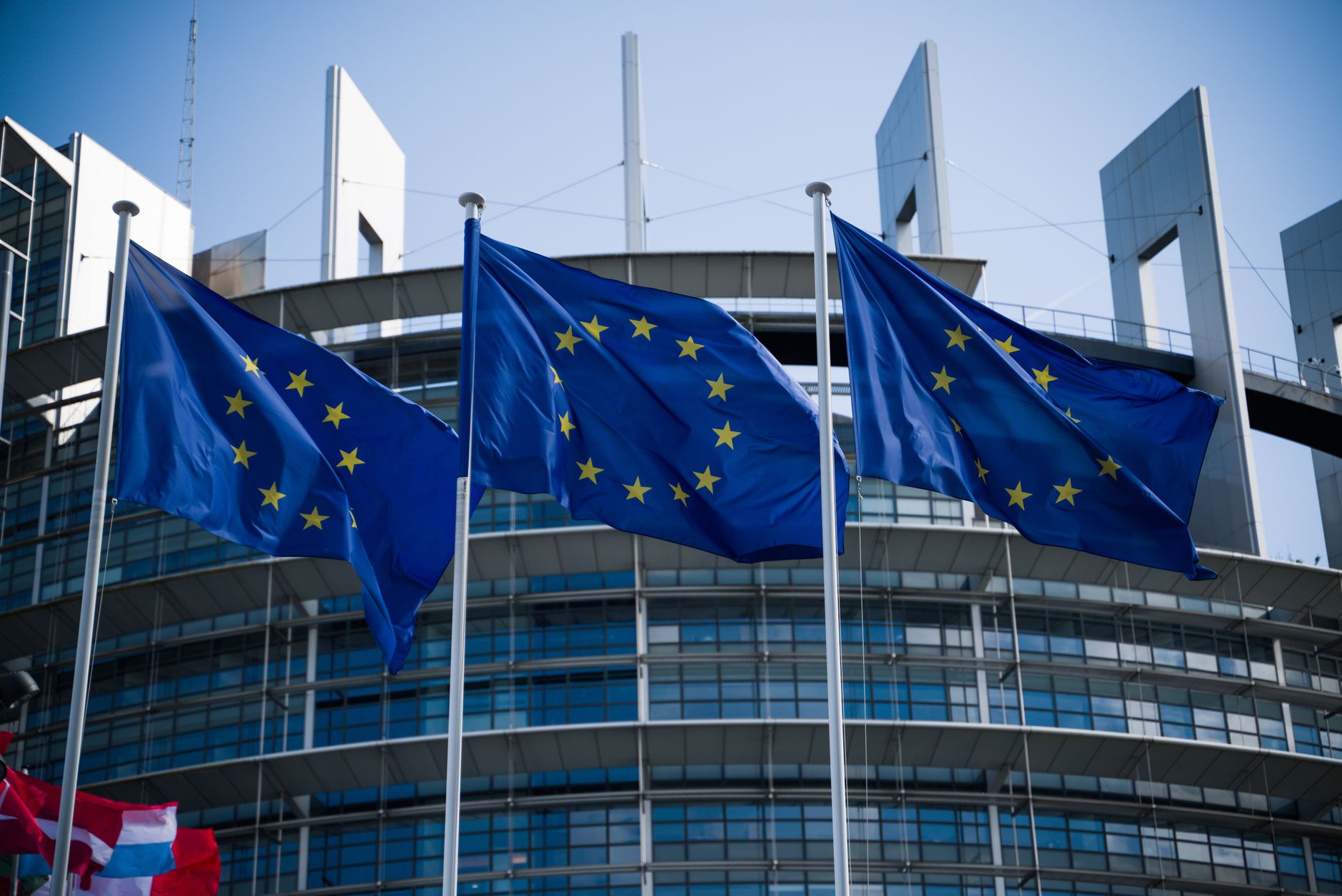
The European Parliament is expected to play an important role as the process advances. Members of the European Parliament have traditionally pushed for stronger funding for programmes related to research, education, climate action, and social investment. Parliament has also called for sufficient resources to match the EU’s expanding responsibilities and policy commitments.
National governments, meanwhile, are attempting to protect domestic priorities while negotiating a collective European agreement. The final compromise is expected to require difficult choices, as additional funding demands compete with concerns over inflation, public debt, and national spending pressures.
The agricultural sector remains a particularly sensitive area in the negotiations. The Common Agricultural Policy has long been among the largest components of the EU budget, providing financial support to farmers and rural communities across Europe. Changes to agricultural funding structures could have significant economic and political consequences, especially in regions where farming remains a central part of local economies.
Cohesion policy is another major area under discussion. EU regional funding has supported infrastructure development, employment programmes, and economic growth in less developed areas. Several member states have warned that reducing cohesion resources could widen economic differences between regions and weaken one of the EU’s core objectives of promoting balanced development.
At the same time, policymakers are seeking greater investment capacity in areas considered essential for Europe’s future competitiveness. Research and development, artificial intelligence, digital infrastructure, renewable energy, and advanced manufacturing have emerged as key priorities in the broader debate over the EU’s economic strategy.
The budget negotiations are also influenced by security developments and changing geopolitical conditions. European governments have increasingly discussed the need for stronger strategic autonomy, including improved defence capabilities, protection of critical infrastructure, and resilience against external economic and security pressures.
While defence policy remains primarily a national responsibility, EU-level funding discussions increasingly consider how common resources can support cooperation among member states. Negotiators are examining how existing financial instruments and future programmes can contribute to shared European objectives without duplicating national spending.
Migration management is another policy area where budget decisions could have practical consequences. EU institutions have sought additional resources for border management, cooperation with partner countries, and humanitarian programmes. Member states differ on the scale and structure of such funding, reflecting broader political debates over migration policy.

The negotiations are taking place against a backdrop of economic uncertainty. European economies continue to face challenges related to productivity growth, industrial competitiveness, energy costs, and global market pressures. Supporters of a more investment-focused budget argue that coordinated European spending can help address these structural challenges.
Critics of expanding EU-level spending have argued that the bloc must ensure stronger efficiency and accountability in the use of existing resources. They have called for clearer performance assessments, improved oversight, and greater focus on measurable outcomes before approving additional financial commitments.
The European Commission has indicated that reaching agreement within the required timeframe is essential to ensure a smooth transition between budget periods. A delayed agreement could create uncertainty for beneficiaries of EU programmes and complicate the planning of future projects across member states.
Businesses, research institutions, municipalities, and civil society organisations are closely monitoring the negotiations because many depend on EU funding programmes. Long-term financial certainty allows organisations to prepare investment plans, launch projects, and coordinate partnerships across European borders.
The final agreement will need to reconcile competing priorities while maintaining political support among all participating institutions. Historically, EU budget negotiations have often extended beyond initial deadlines because of disagreements over spending levels and policy direction. Compromise has typically required concessions from multiple sides.
As talks continue, officials are expected to focus on narrowing differences over financing, programme design, and strategic priorities. The coming weeks will be important in determining whether negotiators can achieve a consensus that reflects both immediate challenges and the EU’s longer-term objectives.
The outcome of the negotiations will influence Europe’s policy direction for years to come. A budget focused on investment and resilience could strengthen the EU’s ability to respond to economic and geopolitical pressures, while a more limited framework could require difficult choices over which priorities receive support.
The European Union’s multiannual budget process remains a central test of cooperation among member states. The negotiations will determine not only the distribution of financial resources but also the political balance between national interests and common European goals.
Leave a Reply