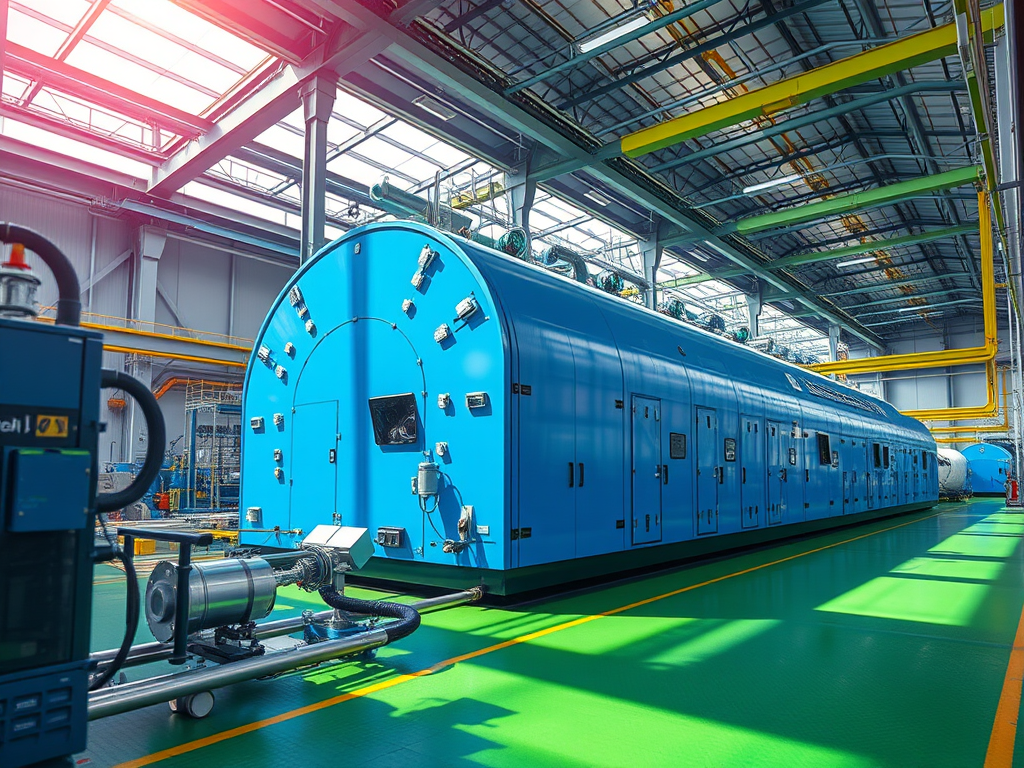
In a bold pivot toward sustainable energy, Sweden has embarked on a landmark initiative to build multiple small modular nuclear reactors (SMRs), signaling a historic shift from four decades without new nuclear construction. The state-owned utility, Vattenfall, will select either American (GE Vernova) or British (Rolls-Royce) technology to deploy these compact yet powerful units at the Ringhals nuclear facility in southern Sweden. The goal: to deliver 1,500 MW of clean, reliable electricity by the mid-2030s.
This development reverses Sweden’s long-standing nuclear hesitancy and responds to pressing challenges: soaring energy costs, an imbalance between hydroelectric power in the north and industrial demand in the south, and EU-driven goals for carbon-neutral energy. SMRs’ modularity offers faster construction and scalability—key advantages in today’s energy landscape.
Public Reaction & Analysis
- Environmental advocates are cautiously optimistic, highlighting the low-carbon credentials of SMRs compared to fossil fuels, though they emphasize rigorous safety standards.
- Policymakers see SMRs as a chance to enhance energy sovereignty, reduce reliance on external markets, and stabilize pricing.
- Economic analysts project ripple benefits across Sweden’s high-tech and manufacturing sectors, as emerging nuclear supply chains take shape.
Conclusion
Sweden’s SMR push underscores a strategic resilience in the face of climate urgency and energy volatility. As Europe reclassifies nuclear among its low-carbon options, Sweden positions itself at the forefront of modern, responsible energy innovation.
Leave a Reply