European diplomats arrived in Kyiv on March 31, 2026, in a coordinated visit marking the fifth year since the outbreak of full-scale war between Russia and Ukraine. The symbolic timing reflects both the endurance of the conflict and the persistence of European political backing for Kyiv, as the war enters a protracted phase with no immediate resolution in sight.
The delegation includes foreign ministers, senior envoys, and representatives from European Union institutions. Officials confirmed that the visit was planned to coincide with the anniversary of the invasion’s escalation in 2022, when Russian forces launched a broad offensive across multiple regions of Ukraine. While initial expectations in many European capitals had been for a shorter conflict, the war has instead evolved into a drawn-out confrontation characterised by entrenched positions, periodic offensives, and sustained military attrition.
Upon arrival in Kyiv, diplomats were received by Ukrainian government officials and security personnel, with parts of the city under heightened alert conditions due to ongoing missile and drone threats. Despite these risks, European leaders emphasised the importance of maintaining a visible presence in Ukraine, describing the visit as a reaffirmation of political solidarity and strategic partnership.
Meetings scheduled during the visit include discussions with Ukraine’s president, senior cabinet members, and defence officials. The agenda covers a broad range of issues, including military assistance, financial support, humanitarian aid, and long-term reconstruction planning. European officials are also expected to review progress on reforms tied to Ukraine’s aspirations for closer integration with the European Union.
In statements released ahead of the visit, several European governments reiterated that support for Ukraine remains a central pillar of European foreign policy. Officials highlighted that the war has reshaped the continent’s security landscape, prompting significant increases in defence spending, accelerated efforts to reduce dependence on Russian energy, and closer coordination among European states on security and intelligence matters.
The fifth year of the war finds the battlefield situation largely defined by stalemate conditions. While both Ukrainian and Russian forces have conducted localized offensives over the past year, neither side has achieved a decisive breakthrough. The front lines in eastern regions remain heavily fortified, with extensive trench systems, artillery exchanges, and drone warfare shaping daily combat dynamics.
European diplomats are expected to receive briefings from Ukrainian military officials on the current operational situation. These briefings will inform ongoing decisions regarding military aid packages, including the provision of advanced weapons systems, ammunition supplies, and training programs for Ukrainian forces. European officials have increasingly emphasised the need for sustainable, long-term support frameworks rather than ad hoc assistance.
Economic support remains another central focus of the visit. Ukraine’s economy has been heavily impacted by the war, with infrastructure damage, displacement of populations, and disruptions to industrial production posing ongoing challenges. European institutions have played a significant role in providing financial assistance, including macro-financial loans, grants, and support for energy sector resilience.

During the visit, diplomats are expected to discuss mechanisms for ensuring continued financial stability in Ukraine, as well as frameworks for post-war reconstruction. Planning for reconstruction has become a parallel priority, with European officials seeking to align funding, governance standards, and private sector involvement in anticipation of eventual recovery efforts.
Humanitarian considerations also feature prominently on the agenda. Millions of Ukrainians remain internally displaced or have sought refuge abroad, with European countries hosting large numbers of refugees. Diplomatic discussions are expected to address ongoing humanitarian needs, including housing, healthcare, and education services for displaced populations.
The visit takes place against a backdrop of evolving political dynamics within Europe itself. While governments have largely maintained a unified stance in support of Ukraine, there are growing debates in some countries regarding the long-term costs of assistance, the impact on domestic economies, and the sustainability of current policies. European leaders have sought to manage these debates by emphasising the broader strategic importance of supporting Ukraine’s sovereignty and territorial integrity.
Energy policy remains a critical dimension of Europe’s response to the war. Since 2022, European countries have significantly reduced their reliance on Russian energy imports, investing in alternative suppliers, renewable energy sources, and infrastructure for liquefied natural gas. These shifts have had lasting economic and geopolitical implications, reinforcing the interconnected nature of the conflict and European domestic policy.
Sanctions against Russia continue to be a central tool of European policy. Diplomats are expected to reaffirm commitments to maintaining and, where necessary, strengthening sanctions regimes targeting Russian individuals, companies, and sectors. While sanctions have imposed economic costs on Russia, European officials acknowledge that their effectiveness depends on sustained coordination and enforcement.
The diplomatic visit also carries implications for Ukraine’s long-term political trajectory. European leaders have repeatedly expressed support for Ukraine’s aspirations to join the European Union, although the process remains complex and contingent on a range of reforms. Discussions during the visit are expected to include progress on governance, anti-corruption measures, and alignment with EU standards.
Security guarantees for Ukraine represent another key topic of discussion. While Ukraine is not a member of NATO, European countries have explored various frameworks for providing security assurances, including bilateral agreements and multilateral arrangements. The ongoing war has underscored the challenges of establishing durable security mechanisms in a contested geopolitical environment.
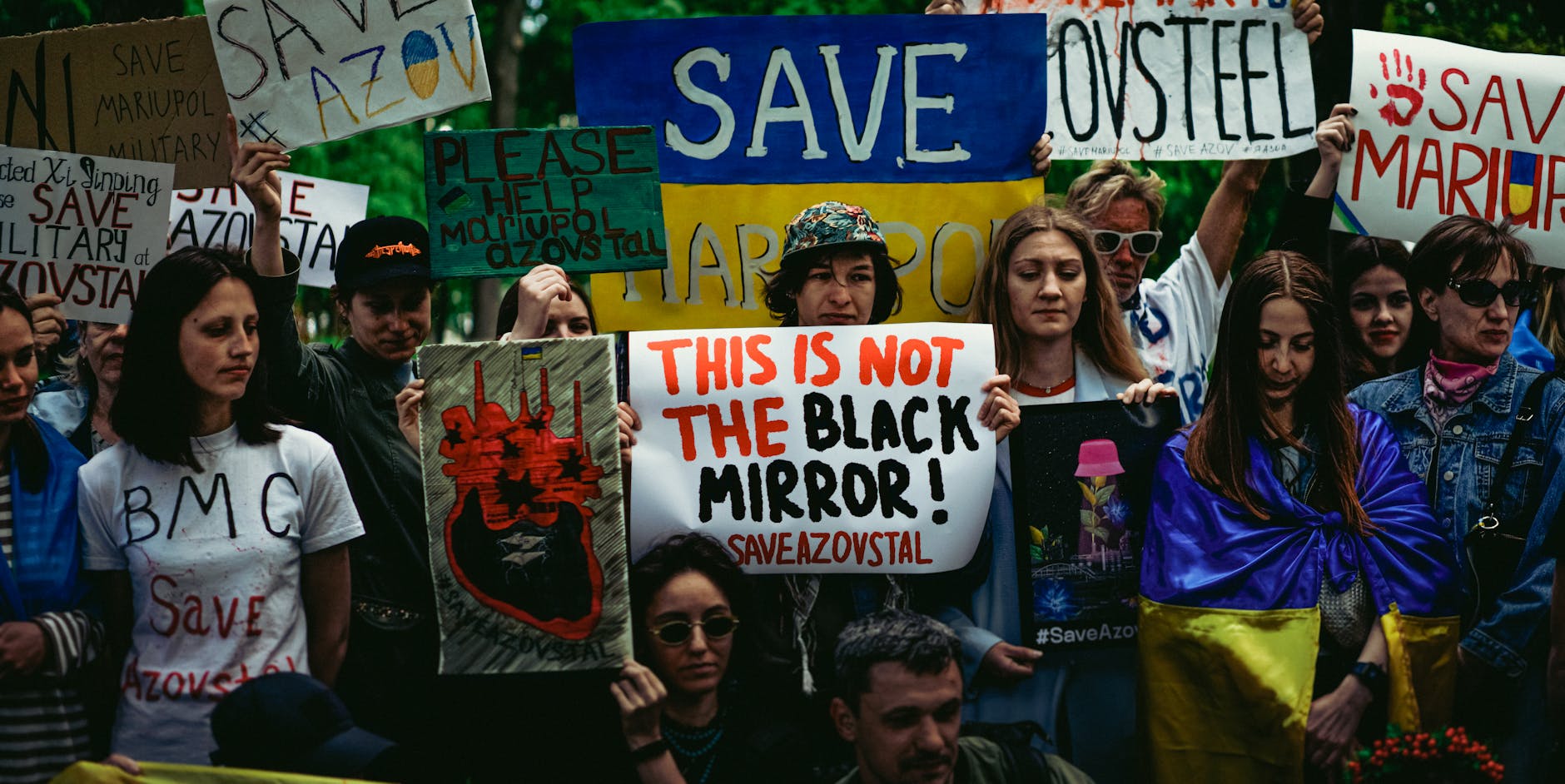
Public messaging surrounding the visit has emphasised unity and resilience. European officials have framed the fifth anniversary of the war as a moment to reaffirm shared values and commitments, while also acknowledging the significant human and material costs of the conflict. Ukrainian officials, for their part, have welcomed the visit as a demonstration of continued international support at a critical juncture.
Analysts note that such high-level visits serve both practical and symbolic functions. Practically, they facilitate coordination, decision-making, and information exchange. Symbolically, they signal to domestic and international audiences that Ukraine remains a priority for European governments. In the context of a protracted conflict, maintaining this visibility is seen as essential for sustaining political momentum.
The broader international context also shapes the significance of the visit. The war in Ukraine remains a central issue in global geopolitics, influencing relations among major powers and shaping international security debates. European diplomacy is closely linked to transatlantic coordination, with the United States continuing to play a major role in supporting Ukraine.
At the same time, European leaders have increasingly emphasised the need for strategic autonomy, seeking to strengthen Europe’s capacity to act independently in security and defence matters. The experience of the war has accelerated discussions on joint procurement, defence industrial capacity, and coordination among European armed forces.
Looking ahead, diplomats acknowledge that the path to peace remains uncertain. While diplomatic efforts continue, including discussions on potential negotiations, there are currently no indications of a comprehensive settlement. Both Ukraine and Russia maintain positions that remain far apart on key issues, including territorial control and security arrangements.
In this context, the visit of European diplomats to Kyiv serves as a reaffirmation of long-term commitment rather than a signal of imminent resolution. Officials have stressed that supporting Ukraine will require sustained engagement over years, encompassing military, economic, and political dimensions.
As the war enters its fifth year, the cumulative impact on Ukraine, Europe, and the broader international system continues to unfold. The visit underscores the enduring relevance of the conflict and the determination of European governments to remain actively engaged in shaping its outcome.
Leave a Reply