The European Commission on Tuesday formally launched a new set of defence funding calls under the European Defence Industry Programme (EDIP), marking a significant step in the European Union’s ongoing effort to strengthen its defence industrial base and improve collective security capabilities. The initiative, unveiled in Brussels, is part of a broader policy framework aimed at enhancing Europe’s ability to produce, procure, and sustain critical military capabilities in an increasingly volatile geopolitical environment.
The newly announced calls are designed to channel financial support into collaborative defence projects that involve multiple EU member states. According to Commission officials, the objective is to address persistent fragmentation in the European defence market while accelerating the development and production of key capabilities. The programme emphasises cross-border cooperation, interoperability, and industrial scalability, with funding allocated to consortia that demonstrate strong integration across national supply chains.
The EDIP framework builds on lessons learned from earlier EU defence initiatives, including the European Defence Fund (EDF) and the Act in Support of Ammunition Production (ASAP). While those instruments focused primarily on research and urgent production increases, EDIP is structured to bridge the gap between innovation and large-scale industrial deployment. Officials describe it as a “capability-driven” instrument that aligns industrial output more closely with operational requirements identified by member states and EU defence planners.
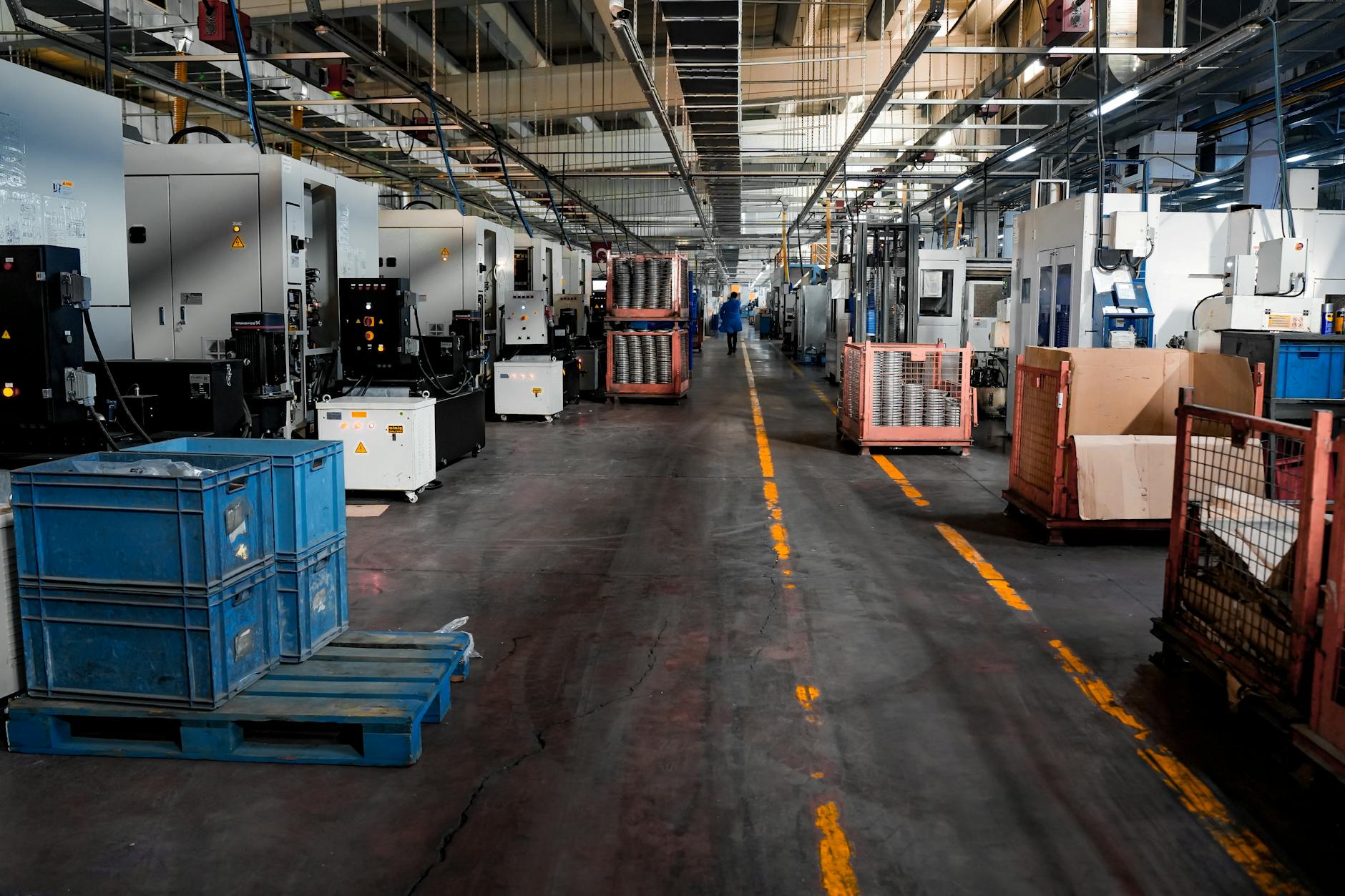
One of the central priorities of the current funding calls is the expansion of munitions production capacity. European governments have faced sustained pressure to replenish stockpiles and support ongoing security commitments, exposing limitations in the continent’s manufacturing base. The EDIP calls aim to incentivise investments in production lines, raw material sourcing, and logistics networks to ensure more reliable and scalable output.
In parallel, the programme targets advanced air defence systems, reflecting growing concerns over aerial threats and the need for integrated protection across European territory. Projects in this category are expected to focus on both hardware development and systems integration, enabling member states to deploy interoperable solutions that can be rapidly coordinated in crisis scenarios.
Cyber defence and digital resilience constitute another major pillar of the funding calls. The Commission highlighted the increasing importance of secure communications, data integrity, and cyber protection in modern military operations. Funding will support the development of technologies that enhance situational awareness, protect critical infrastructure, and enable secure information sharing among allied forces.
The structure of the calls places strong emphasis on multinational participation. To qualify for funding, project consortia must include entities from at least three member states, with additional weighting given to proposals that involve a broad geographic spread. This requirement is intended to foster deeper integration within the European defence ecosystem and to reduce duplication of efforts across national programmes.
Small and medium-sized enterprises (SMEs) are also expected to play a significant role. The Commission has introduced specific incentives to encourage SME participation, recognising their contribution to innovation and niche technological capabilities. These measures include simplified application procedures, dedicated funding envelopes, and support for integration into larger industrial networks.
Industry stakeholders have broadly welcomed the launch of the EDIP calls, viewing them as an opportunity to secure long-term investment and strengthen Europe’s competitive position in the global defence market. However, some analysts caution that the success of the programme will depend on effective coordination among member states and the timely disbursement of funds.
Another key feature of the programme is its focus on supply chain resilience. Recent disruptions have underscored the vulnerability of defence production to external dependencies, particularly in areas such as critical raw materials and specialised components. The EDIP calls encourage projects that diversify supply sources, enhance domestic production capacity, and improve logistical efficiency.
The Commission also emphasised the importance of aligning EDIP with broader EU policy objectives, including industrial strategy, digital transformation, and sustainability. While defence remains the primary focus, officials noted that investments in areas such as advanced manufacturing, artificial intelligence, and energy efficiency can generate spillover benefits across the civilian economy.
From a governance perspective, the evaluation of project proposals will be conducted through a multi-stage process involving technical assessments, strategic alignment checks, and financial due diligence. The Commission aims to ensure that funded projects deliver measurable outcomes in terms of capability enhancement, industrial integration, and cost-effectiveness.
Member states will retain a central role in shaping the direction of the programme. National authorities are expected to coordinate with industry and EU institutions to identify priority areas, develop project proposals, and oversee implementation. This collaborative approach reflects the hybrid nature of EU defence policy, which combines supranational funding mechanisms with intergovernmental decision-making.
The timing of the EDIP calls is closely linked to the evolving security environment in Europe. Ongoing conflicts and heightened geopolitical tensions have reinforced the need for a more robust and responsive defence posture. EU leaders have increasingly framed defence investment as a strategic imperative, not only for security but also for economic resilience and technological leadership.
At the same time, the programme raises questions about the balance between EU-level coordination and national sovereignty in defence matters. While the EDIP framework seeks to promote integration, member states continue to maintain primary responsibility for their armed forces and procurement decisions. The effectiveness of the programme will therefore depend on the willingness of governments to align national priorities with collective objectives.
Financially, the EDIP calls represent a substantial commitment of EU resources, though exact funding allocations for individual projects will depend on the outcome of the application process. The Commission indicated that additional funding rounds may be launched in the coming years, subject to budgetary approvals and policy developments.
The initiative is also expected to influence the structure of the European defence industry. By encouraging collaboration and consolidation, EDIP could lead to the emergence of larger, more integrated industrial players capable of competing on a global scale. At the same time, the programme seeks to preserve diversity and innovation by supporting smaller firms and specialised suppliers.
In terms of timeline, the application window for the current calls opens immediately, with deadlines set for later in the year. Successful projects are expected to commence in 2027, following contract negotiations and final approval procedures. The Commission has committed to maintaining transparency throughout the process, with regular updates on application status and funding decisions.
Observers note that the EDIP initiative reflects a broader trend toward the “Europeanisation” of defence policy, driven by shared security challenges and the need for more efficient resource utilisation. While NATO remains the cornerstone of collective defence in Europe, EU programmes such as EDIP are increasingly seen as complementary tools that enhance the continent’s strategic autonomy.
Looking ahead, the impact of the EDIP funding calls will be closely monitored by policymakers, industry participants, and international partners. Success will be measured not only in terms of funded projects but also in the programme’s ability to deliver tangible improvements in capability, readiness, and industrial performance.
As the European Union continues to navigate a complex security landscape, the launch of the EDIP calls underscores the growing importance of coordinated investment and industrial policy in shaping the future of European defence. The coming months will be critical in determining how effectively the programme translates strategic ambitions into operational results.
Leave a Reply