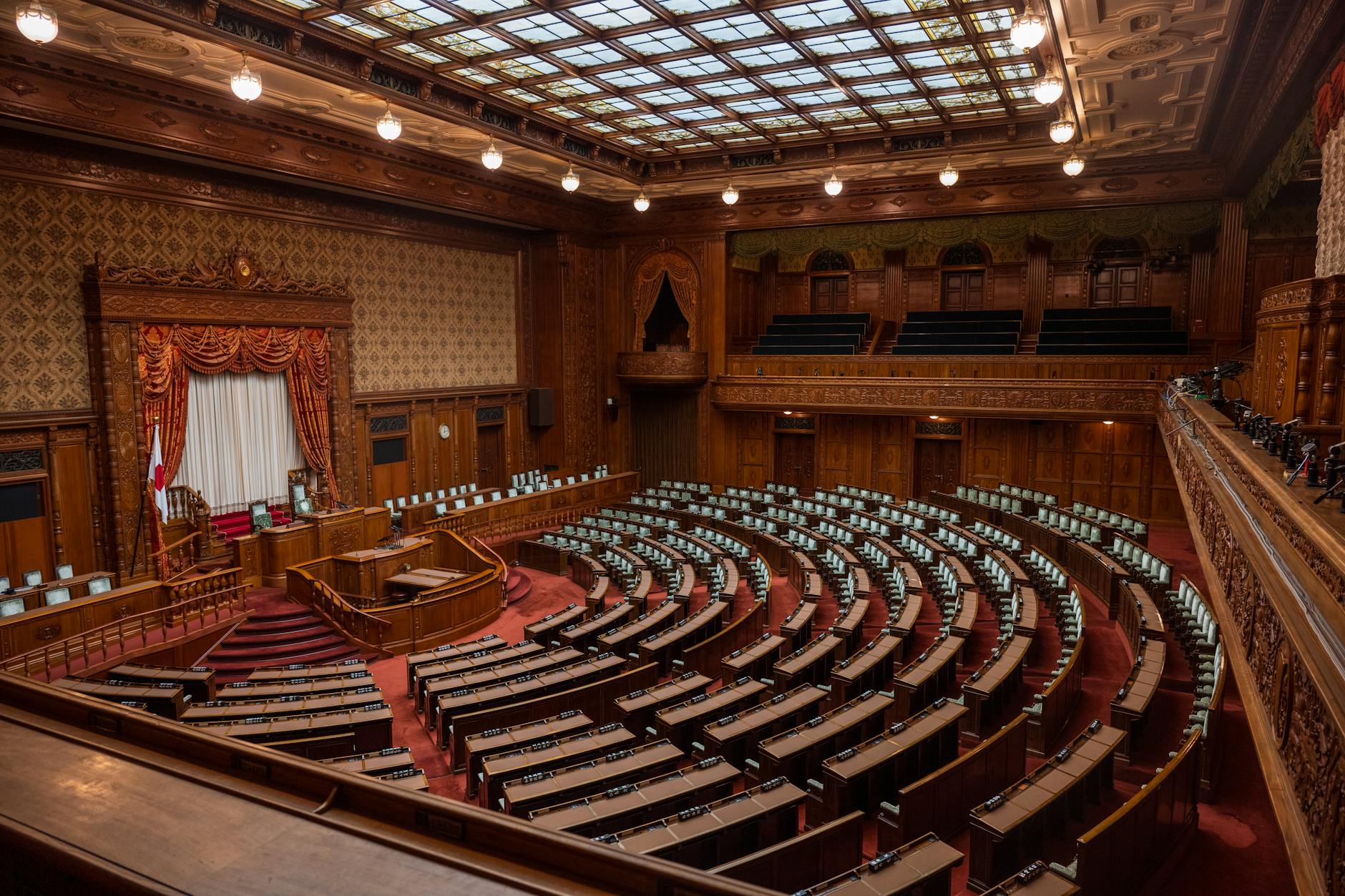
Slovakia’s Prime Minister, [Name of Prime Minister], has called on the European Union to reassess its current sanctions on Russian oil and gas, arguing that they are inflicting severe economic damage on European nations that are heavily reliant on Russian energy exports. In a statement made on [date], the Prime Minister emphasized the increasing difficulties that Slovakia and similar EU countries face in securing affordable energy supplies, as well as the rising cost of living for citizens. Slovakia, which imports a significant portion of its natural gas and oil from Russia, has struggled to find alternative suppliers that could match the reliability and price of Russian resources. The sanctions, which were first imposed in response to Russia’s military actions in Ukraine, have resulted in a sharp increase in energy prices across Europe. Slovakia, a small but strategically important EU member, has voiced concerns that these sanctions disproportionately affect countries in Central and Eastern Europe, many of which remain deeply dependent on Russian energy. The Prime Minister’s call to drop the sanctions has sparked a renewed debate within the EU about the effectiveness of its policies and whether the economic harm caused by the sanctions outweighs their political benefits. Energy experts have pointed out that Slovakia’s plea could indicate a broader shift within the EU. Some members, particularly those in Eastern Europe, have become increasingly frustrated with the EU’s approach to energy policy. The reliance on Russian oil and gas, while politically controversial, has provided Slovakia and its neighbors with relatively affordable energy, which has contributed to their economic stability. The current energy crisis in Europe has been exacerbated by the ongoing war in Ukraine, with energy prices reaching record highs in several EU countries. Although the EU has made significant strides in diversifying its energy sources, the transition has been slow, and many countries are still reliant on Russian imports. The Prime Minister of Slovakia has argued that the EU should focus on finding diplomatic solutions with Russia to ensure stable energy supplies rather than continuing sanctions that, in their view, do little to change Russia’s behavior but instead harm EU economies. Slovakia’s position is particularly poignant given the country’s economic context. With an economy that is deeply integrated into EU trade systems, Slovakia’s reliance on Russian energy is a vital issue. However, the Prime Minister also acknowledged that Slovakia must look for long-term energy solutions and reduce its dependence on Russia. The call for a reevaluation of the sanctions was positioned as part of a broader strategy for energy security that includes diversifying suppliers and increasing the EU’s investments in renewable energy. The debate within the EU has become more heated, with some countries supporting Slovakia’s call to reconsider the sanctions, while others, particularly in Western Europe, argue that lifting the sanctions would signal weakness in the EU’s stance toward Russia and could undermine the union’s political unity. Germany, one of the EU’s largest economies, has been particularly vocal in its support for maintaining the sanctions, citing their importance in exerting pressure on Russia to cease hostilities in Ukraine. Other countries, like Hungary and Slovakia, have called for a more balanced approach, which takes into account the economic impact on European citizens. At the heart of this disagreement is the broader question of how the EU balances economic interests with its political objectives. The EU’s approach to sanctions on Russia has been consistent, but as the war in Ukraine drags on, there are growing concerns about the economic toll on EU members. Slovakia, which has already experienced energy shortages and price spikes, is struggling to maintain the energy security of its citizens while also fulfilling its obligations as part of the EU. In response to Slovakia’s plea, several EU leaders have expressed their support for finding ways to mitigate the economic effects of the sanctions. However, they have also emphasized that any change in policy would need to be carefully considered, given the strategic importance of the sanctions in maintaining EU unity and solidarity in response to Russia’s aggression in Ukraine. The issue is further complicated by the geopolitical dynamics in Eastern Europe, where Russia’s influence remains strong. The EU’s internal discussions on this matter are likely to continue for some time, as the bloc faces mounting pressure to address both the humanitarian crisis in Ukraine and the economic fallout for its own citizens. Slovakia’s position may influence the course of the EU’s energy strategy and its future policies regarding Russia. For now, it remains to be seen whether the EU will agree to modify or remove sanctions on Russian oil and gas or if it will continue to prioritize its political objectives over economic concerns. In conclusion, the debate over Slovakia’s call to drop sanctions on Russian energy supplies underscores the complex and often conflicting interests within the EU. The issue of energy security is not only central to Slovakia’s future but is also a key concern for the entire European continent. As Europe continues to grapple with the consequences of its energy policies, the discussions initiated by Slovakia’s Prime Minister will likely shape the EU’s future strategies on energy and relations with Russia.
Leave a Reply