In an increasingly interconnected world, biometric checks have become a cornerstone of modern border control systems. Designed to improve security and ease the movement of passengers, biometric data—including facial recognition and fingerprint scanning—was set to revolutionize cross-border travel, particularly between the UK and France. However, travellers have once again been hit by delays in the rollout of these systems, stalling what was meant to be a more efficient, faster process.
Initially slated for completion in early 2026, the implementation of biometric checks at key cross-channel points such as Dover, the Channel Tunnel, and ferries between the UK and France was expected to reduce wait times, streamline passenger flow, and improve overall security. These technological upgrades were seen as essential for accommodating the growing numbers of tourists and business travellers now making their way through the region as restrictions due to the pandemic are eased.
Unfortunately, technical challenges have prevented the full activation of these biometric systems. Issues such as poor connectivity, integration problems with existing passport control databases, and a lack of robust infrastructure in some locations have contributed to the delays. As a result, the much-anticipated fast-tracked passport checks have not been fully realized, leaving customs officers to rely on traditional, slower methods for processing passengers.
The stalling of these biometric checks comes at a critical time when travel numbers are expected to surge, especially during the upcoming summer months. Both the UK and France rely heavily on cross-channel travel for tourism, trade, and business, and without the faster processing promised by biometric systems, these sectors could experience bottlenecks at critical entry points. Increased delays at border crossings could harm the travel industry and lead to frustrations for millions of passengers.

Border security and passenger experience were primary motivators behind the push for biometric technology, with proponents arguing that it would reduce human error and allow for more comprehensive checks with minimal inconvenience to travellers. Biometric data, after all, offers a much faster and more accurate means of confirming identity than traditional paper documents. The system was designed to automatically compare biometric data from travellers against pre-existing records, streamlining the process, ensuring greater accuracy, and preventing potential fraud or mistaken identity.
Yet, the system’s delayed rollout has highlighted a gap in the UK’s border infrastructure, which has struggled to keep pace with modern expectations of speed and efficiency. France, too, has faced similar challenges, particularly at its busy ports and train stations where travellers cross over to the UK. The failure to resolve these technical issues will only exacerbate the situation as both countries struggle to balance security concerns with the need for an efficient travel experience.
The ongoing delays are not only a logistical issue but also a political one. The UK government, which had championed biometric checks as a means of enhancing border security after Brexit, is under increased scrutiny over its handling of post-Brexit immigration and travel policies. Delays in implementing biometric checks could raise questions about the effectiveness of the UK’s border control efforts and whether its infrastructure is equipped to handle modern challenges. Similarly, France is facing its own pressures to modernize its security systems and maintain a smooth flow of passengers between the two countries. If the system continues to stall, it could lead to a reassessment of cross-channel cooperation in the long term.
As the delay continues, both governments have been keen to reassure the public and businesses that steps are being taken to address the issues. Technical teams are working to resolve the integration problems and enhance infrastructure, with officials indicating that the system could be fully operational within the next few months. In the meantime, passengers are advised to expect longer wait times at border crossings, particularly during peak travel periods. While these delays are frustrating for travellers, they highlight the inherent challenges of implementing cutting-edge technology across international borders. The stakes are high: if biometric checks are not rolled out efficiently and effectively, the promise of quicker, more secure border crossings may be nothing more than an unfulfilled ambition.
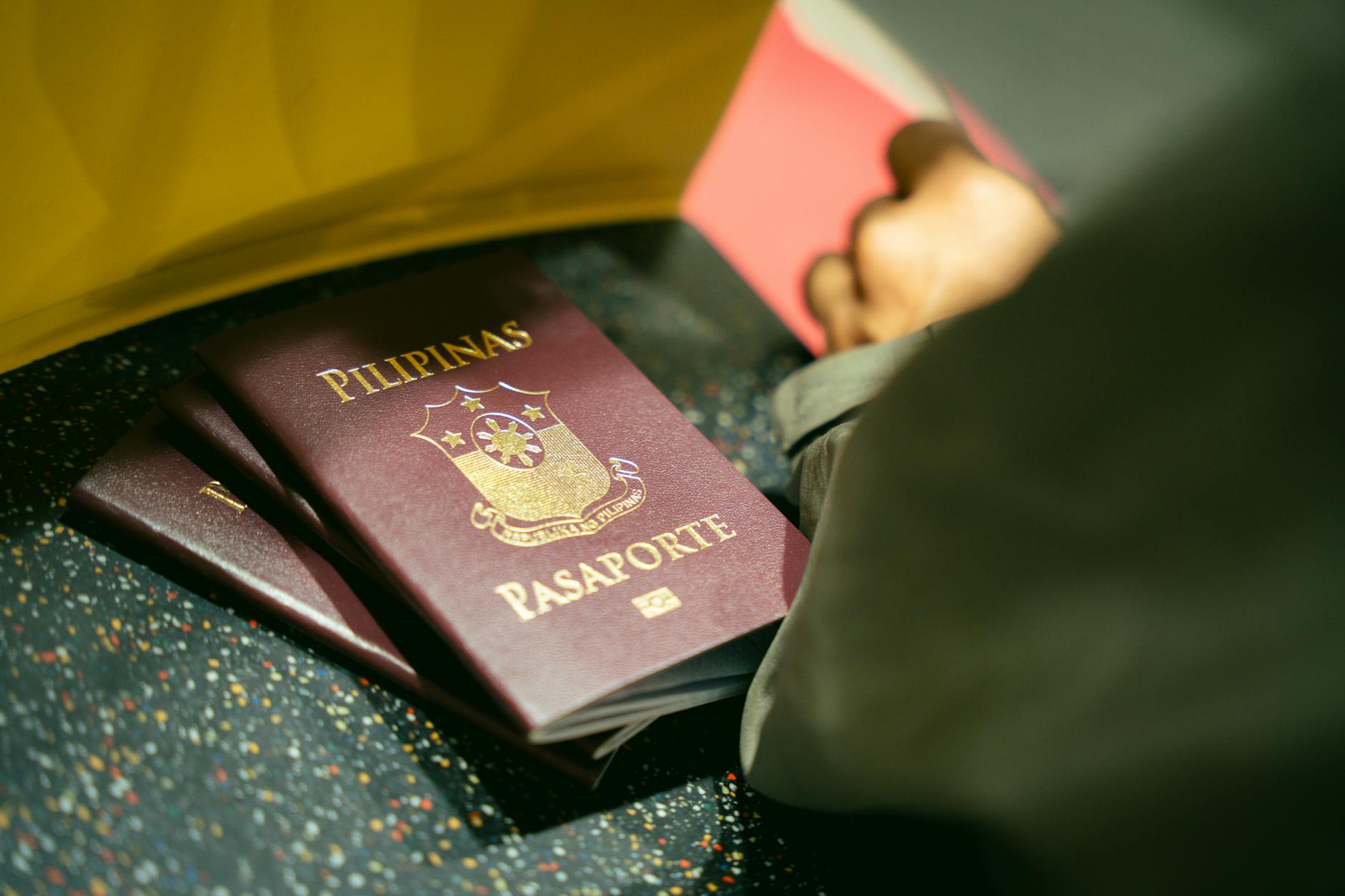
Moreover, the delay raises broader questions about the future of biometric identification in the EU and UK post-Brexit. As the EU and the UK navigate their new relationship, there is a need for closer cooperation in areas such as border security and migration. The delay in biometric checks could hinder the seamless integration of cross-border travel systems that were intended to make the process more efficient and secure for both countries. Any further setbacks could lead to a reevaluation of how these systems are integrated across borders, particularly given that the EU has already made substantial progress in this area with its own biometric systems under the Schengen Area rules.
Looking ahead, it will be important for both the UK and France to focus on resolving these technical issues swiftly to avoid exacerbating the already significant pressures facing border authorities. The full implementation of biometric checks could serve as a blueprint for future cross-border travel, but only if the rollout is handled with precision and effective coordination between the two nations. Passengers, as well as industry stakeholders, will be hoping for a smooth resolution to these delays, as the broader goals of improved security and faster travel can only be realized through efficient systems that work as intended.
Ultimately, the stalled biometric check rollout presents a cautionary tale about the challenges of implementing high-tech solutions to age-old problems in international travel. The delay is not just a matter of inconvenience for travellers, but also a reminder of the complexities of integrating new technologies into systems that must be robust, secure, and reliable across national borders. While the promise of biometric checks remains intact, the reality of their implementation is proving to be far more complicated than initially anticipated.

Leave a Reply