The European Union is examining whether it can help finance and coordinate Middle East energy infrastructure that would allow oil and gas exports to bypass the Strait of Hormuz, as the disruption of the strategic waterway forces Brussels to reassess the physical routes on which global energy markets depend.
The discussion, raised publicly after an informal meeting of EU leaders in Nicosia, Cyprus, reflects a shift from short-term crisis management toward a more structural response to the energy shock created by the Iran war. European Commission President Ursula von der Leyen said the bloc was ready to work with Gulf countries on projects that diversify export infrastructure away from a single chokepoint, while also offering European support for repairs to energy facilities damaged during the conflict.
No formal investment package has been announced, and EU officials have not identified a final list of projects under review. The options under discussion are understood to include energy corridors, port and pipeline links, export terminals and related infrastructure that could increase the resilience of Middle Eastern energy flows to Europe and global markets. Von der Leyen also referred to the India-Middle East-Europe Economic Corridor as one framework through which future transport and energy connectivity could be explored.
The immediate driver is the disruption around the Strait of Hormuz, the narrow passage between Iran and Oman through which a significant share of global seaborne oil and liquefied natural gas normally moves. The crisis has exposed the limited number of export alternatives available to several Gulf producers and has revived European concern that a conflict in the region can rapidly become a price shock for households, factories, transport operators and food supply chains inside the EU.
Brussels has stressed that the EU does not currently face an immediate oil or gas supply shortage. The European Commission has said the bloc’s preparedness measures and its relatively lower direct dependence on some Gulf flows have helped cushion physical supply risks. The problem is instead concentrated in price transmission: higher global oil and gas prices are feeding into fuel costs, industrial input prices, electricity bills, fertiliser markets and broader inflation expectations.
In a Commission communication adopted this week, the EU executive said Europe’s dependence on imported fossil fuels remains a structural vulnerability. The document said 57 percent of energy consumed in Europe is imported fossil fuel and that the EU imported about €340 billion worth of fossil fuels in 2025. Since the beginning of the Middle East conflict in March 2026 and the closure of the Strait of Hormuz, the Commission said Europe had spent an additional €24 billion on fossil-fuel imports.
Von der Leyen put the figure even higher at the Cyprus meeting, saying the EU’s energy bill had risen by €25 billion over 43 days as a result of higher oil and gas prices. The discrepancy reflects the fast-moving nature of the crisis and the sensitivity of the calculation to market prices. The political message from Brussels is clear: even without a direct supply cut to every EU member state, the bloc is paying a substantial premium for its reliance on internationally traded fossil fuels.
The proposed outreach to Gulf countries therefore sits at the intersection of energy security, diplomacy and industrial policy. For the EU, investing in alternative routes could reduce exposure to future blockages at Hormuz, support regional partners whose export revenues are affected by the crisis, and help stabilise global prices. For Gulf states, European participation could bring financing, regulatory expertise and political backing for infrastructure that may otherwise be slow, costly or exposed to security risks.
Existing alternatives already show both the potential and the limits of bypass infrastructure. Saudi Arabia’s East-West pipeline can move crude from the Gulf region to the Red Sea port of Yanbu, while the United Arab Emirates has a pipeline to Fujairah on the Gulf of Oman. These routes can reduce dependence on Hormuz for some volumes, but they do not replace the full scale of normal Gulf exports, and some routes still face risks linked to Red Sea security, tanker availability and port capacity.
Reuters has reported that the Middle East’s alternative export routes remain constrained, with some producers better positioned than others. Saudi Arabia and the UAE have more developed bypass capacity, while countries such as Iraq, Kuwait and Qatar are more exposed to disruption because their export systems rely heavily on the Strait. That imbalance matters for Europe because the crisis affects not only crude oil but also LNG, refined fuels, petrochemicals and fertiliser-related inputs.
EU officials are likely to face difficult questions over what kind of infrastructure the bloc should support. Financing new fossil-fuel export routes could appear to conflict with the EU’s climate strategy, which aims to cut fossil-fuel use and accelerate electrification, renewable energy and energy efficiency. At the same time, Brussels argues that Europe’s transition cannot be insulated from the near-term reality that oil and gas still dominate heating, transport, industry and key value chains.
The Commission’s latest energy package attempts to hold those two positions together. It calls for temporary and targeted measures to shield vulnerable consumers and businesses from the current price shock, while also accelerating clean energy deployment to reduce future exposure to imported fossil fuels. That means any EU role in Middle East infrastructure is likely to be presented not as a retreat from decarbonisation, but as a security measure during a volatile transition period.
Member states are not expected to agree easily on the scope of such involvement. Countries with large industrial sectors and high exposure to imported energy prices may favour practical measures to stabilise global supply routes. Others may be wary of committing EU funds to infrastructure outside Europe, especially if projects are fossil-fuel related, politically sensitive or vulnerable to regional conflict. The financing vehicle, governance structure and risk allocation would therefore be central to any proposal.
There is also a legal and diplomatic dimension. The EU has called for freedom of navigation through Hormuz and has considered measures against actors obstructing maritime traffic. At the same time, European leaders have tried to keep diplomatic channels open and avoid steps that could widen the conflict. European Council President António Costa said in Cyprus that the EU was not part of the conflict but would be part of the solution, signalling a preference for diplomatic and economic tools over direct military escalation.
The Cyprus meeting underlined how closely Europe’s energy debate is now tied to its southern neighbourhood. Leaders and senior representatives from Middle Eastern countries attended talks alongside EU officials, including figures from Gulf, Levant and North African states. Cyprus, which currently holds the rotating EU Council presidency, has sought to use its geography and regional contacts to bring Europe and Middle Eastern partners into closer security and economic coordination.
Maritime security remains part of the equation. The EU already operates a naval mission in the Red Sea and has discussed whether similar coordination could help protect commercial routes in the Persian Gulf. However, the Commission’s public emphasis in Cyprus was on infrastructure and resilience rather than a new military posture. That distinction matters because European governments are divided over how far the bloc should go in security operations beyond its immediate neighbourhood.
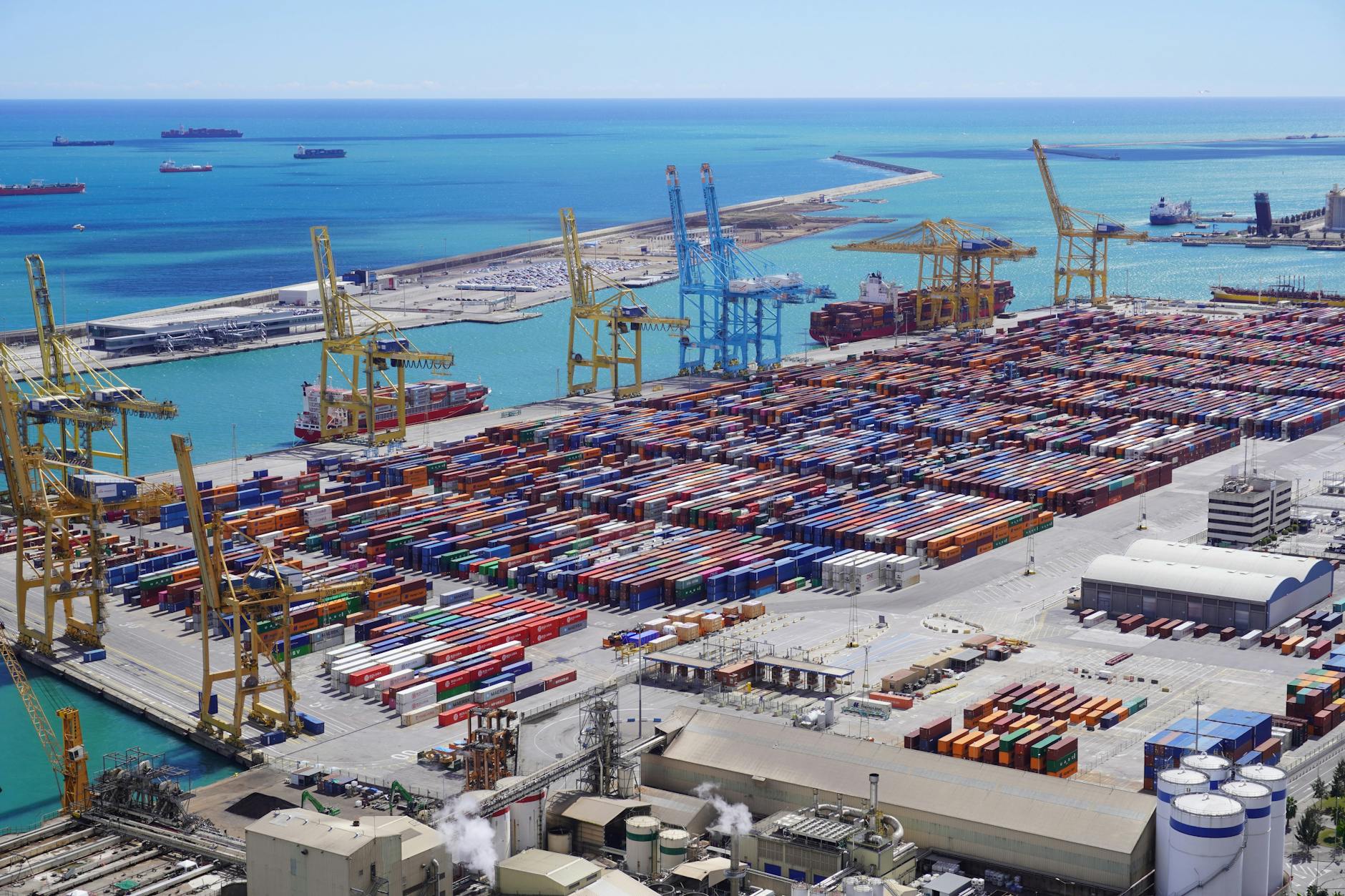
Energy traders and industrial consumers are watching the debate closely because infrastructure decisions will not ease the current price shock quickly. Pipelines, terminals and corridors require years of planning, financing, permitting and construction. Even repairs to damaged facilities can be delayed by security conditions, insurance costs and technical constraints. For the near term, Europe remains dependent on market management, storage coordination, demand reduction, emergency reserves and targeted fiscal support.
The European Parliament is also preparing to debate the Middle East crisis and energy security next week. A parliamentary briefing said MEPs, the Council and the Commission would discuss the implications of the crisis for energy prices, including the rising cost of fertilisers linked to natural gas prices and the EU’s dependency on imports. The debate is expected to put additional pressure on the Commission to clarify how infrastructure diplomacy fits with consumer protection and climate policy.
For households, the impact may arrive unevenly. Some consumers remain protected temporarily by contracts signed before the sharpest price increases. Others, particularly those on variable tariffs or exposed to heating fuel and petrol prices, may feel the shock sooner. Businesses face a more immediate challenge where energy is a major input, especially in chemicals, metals, fertilisers, logistics, aviation and other energy-intensive sectors.
The crisis also revives memories of the 2022 energy shock, when Russia’s invasion of Ukraine forced the EU to rapidly cut dependence on Russian pipeline gas. Brussels now argues that the lesson is broader: any heavy dependence on imported fossil fuels leaves Europe vulnerable to geopolitical leverage, market volatility and infrastructure bottlenecks. The Hormuz disruption has therefore strengthened the political case for domestic renewables, grid investment, electrification and efficiency, even as it prompts consideration of new external energy routes.
For Gulf producers, EU involvement could be useful but politically delicate. Infrastructure that bypasses Hormuz may improve export security and revenue stability, but it could also reshape regional energy balances and create new strategic dependencies. Projects crossing multiple jurisdictions would require long-term guarantees, security arrangements and alignment among governments that do not always share the same priorities.
For now, the EU’s position is exploratory. Leaders have signalled willingness to work with Gulf partners, but they have not committed money, selected projects or set deadlines. A summit between the EU and the Gulf Cooperation Council later this year is expected to provide a venue for more detailed discussions. Until then, the proposal functions as a political signal: Brussels wants to reduce the ability of a single maritime chokepoint to transmit Middle East conflict directly into European prices.
The key test will be whether the EU can convert that signal into a credible investment strategy without undermining its climate commitments or overpromising relief from a crisis that is already affecting consumers. Alternative infrastructure may reduce future exposure to Hormuz, but it cannot fully remove Europe’s vulnerability while oil and gas remain central to its economy. The immediate challenge is to manage the price shock; the longer-term challenge is to ensure that the next disruption does not carry the same economic force.
Leave a Reply