The European Union is stepping up implementation of a €90 billion support plan for Ukraine, reinforcing a Europe-led phase of wartime assistance as Kyiv faces a prolonged conflict, pressure on public finances and uncertainty over the future scale of American backing.
The package, approved this week after months of negotiations among member states, is intended to finance Ukraine’s military and budgetary needs across 2026 and 2027. It comes alongside a new sanctions package against Russia and is being presented in Brussels as both an emergency stabilisation measure and a strategic signal that Europe is prepared to carry a larger share of the war effort.
The decision follows a period in which EU leaders have increasingly described Ukraine’s defence as inseparable from Europe’s wider security. Russia’s full-scale invasion, now in its fifth year, has transformed Ukraine from a foreign-policy priority into a core European budget, defence and industrial question. The new loan plan reflects that shift: it is not limited to macro-financial assistance, but is tied to defence procurement, domestic production, public-sector resilience and longer-term European security planning.
According to EU Council information, the loan framework is designed to support Ukraine’s most urgent budgetary and defence industrial capacity needs in 2026 and 2027. Reporting by Reuters, the Associated Press and other outlets says the package is expected to cover a major share of Kyiv’s projected financing requirements over the next two years, with substantial portions directed toward military support and essential state services.
The timing is significant. Ukraine has warned repeatedly that predictable financing is as important as battlefield equipment, because the state must continue paying soldiers, teachers, medical workers, pensioners and emergency personnel while funding reconstruction, energy repairs and defence production. Any interruption in external support risks weakening both the front line and the domestic economy behind it.
The package also reflects a broader European recalibration. While the United States remains critical for high-end military capabilities, including certain air-defence systems, intelligence support and advanced weapons, European governments are increasingly being forced to plan on the assumption that the continent must fund more of Ukraine’s day-to-day resistance. That means larger EU-level borrowing, more bilateral military aid, and stronger links between Ukraine support and Europe’s own defence industry.
The EU’s decision was delayed by internal disputes, including objections linked to Hungary and Slovakia’s concerns over energy flows and broader disagreements over the bloc’s Russia policy. The eventual breakthrough underscored both the power and vulnerability of EU decision-making: member states were able to unlock a very large package, but only after political bargaining that exposed how national interests can slow collective action during a security crisis.
For Kyiv, the approval gives short-term certainty at a critical moment. Ukrainian officials have been seeking predictable multi-year funding rather than repeated emergency packages. A two-year support line allows the government to plan military procurement, sustain public services and coordinate with European manufacturers. It also strengthens Ukraine’s negotiating position by showing Moscow that EU backing has not collapsed despite electoral pressure, fiscal strain and war fatigue inside the bloc.
The military dimension is central. European officials have increasingly argued that aid to Ukraine should also expand Europe’s own production base. The loan is expected to support Ukraine’s defence industrial capacity and, according to Euronews reporting, contains provisions intended to direct as much procurement as possible toward European production. That approach serves two goals: keeping weapons flowing to Ukraine and pushing Europe to rebuild depleted ammunition, drone, missile and air-defence supply chains.
Ukraine’s battlefield requirements remain acute. Russian forces continue to apply pressure along multiple sections of the front, while missile and drone strikes have targeted Ukrainian cities, power infrastructure, ports and industrial facilities. Kyiv has invested heavily in drones, long-range strike capabilities and decentralised production, but it still depends on foreign support for air defence, artillery ammunition, armoured systems and battlefield electronics.

The loan plan is therefore not simply a financial instrument. It is part of a wider attempt to turn European support from a series of ad hoc pledges into a more structured wartime mechanism. The EU’s challenge is to align budgetary support, sanctions, defence procurement and accession policy while keeping all member states on board.
Sanctions remain the second pillar of the latest move. The new package targets Russia’s ability to finance and sustain the war, including measures aimed at banks, energy-linked entities, shipping networks and actors accused of helping Moscow circumvent restrictions. European officials have argued that financial assistance to Ukraine must be matched by pressure on Russia’s military economy, particularly as Moscow adapts to previous rounds of sanctions through third-country intermediaries, shadow-fleet shipping and alternative payment channels.
The effectiveness of sanctions remains debated, but the EU’s continued expansion of restrictive measures shows that Brussels sees economic pressure as a long war instrument rather than a short-term shock. Russia has redirected trade, deepened ties with non-Western partners and maintained significant defence output, but sanctions have raised costs, limited access to advanced technology and complicated financial operations. The latest measures aim to tighten gaps that have emerged since earlier rounds.
The financing structure of the Ukraine loan has also drawn close attention. EU capitals have debated how far they can go in using immobilised Russian sovereign assets, whether directly or indirectly, to support Ukraine. Some governments have pushed for more aggressive use of those assets, while others have warned of legal, financial and reputational risks. The current loan mechanism reflects an effort to provide large-scale funding while navigating those concerns.
For Ukraine, the money is urgently needed regardless of the mechanism. War has sharply increased public spending while reducing normal revenue flows. Defence consumes a large share of the budget, while Russian attacks have increased costs for energy repair, civil protection and infrastructure maintenance. International funding has helped prevent a deeper fiscal crisis, but Kyiv’s needs remain larger than any single package.
The decision also interacts with Ukraine’s EU accession ambitions. Kyiv argues that it is defending the European project in practice and should be integrated more quickly into EU structures. Some EU leaders support a stronger political signal, while others remain cautious because accession would carry major implications for agriculture, cohesion funds, migration, governance and the bloc’s institutional balance. The new support plan may strengthen Ukraine’s European anchoring, but it does not resolve the enlargement timetable.
Inside the EU, the package will test political durability. Governments must explain to voters why large-scale borrowing or financial commitments are necessary at a time of domestic pressure over inflation, housing, energy costs, migration and public services. Support for Ukraine remains broad in many member states, but populist and nationalist parties have used the scale of aid, sanctions costs and fears of escalation to challenge mainstream policy.
That political risk is one reason EU leaders have increasingly framed Ukraine support as European self-defence rather than charity. The argument is that a Russian victory or forced Ukrainian collapse would make the continent less secure, increase defence costs, embolden further coercion and leave eastern EU members exposed to greater pressure. Under that framing, the €90 billion plan is presented as cheaper than allowing Russia to reshape Europe’s security order by force.
The package may also influence transatlantic relations. European governments are not replacing the United States entirely, and Kyiv still needs American systems that Europe cannot rapidly provide at scale. But the EU’s move signals that Europe is preparing for a world in which Washington’s role is less predictable. That does not necessarily mean a rupture in the alliance; it means European states are trying to reduce strategic dependency in a war taking place on their own continent.
Germany, France, Poland, the Nordic states and the Baltic countries are likely to remain central to the next phase of support, though their roles differ. Germany has become one of Ukraine’s largest European military backers, especially in air defence and industrial assistance. Poland and the Baltic states continue to push for a harder line on Russia. France has emphasised strategic autonomy and European defence capacity. The Nordic countries have provided substantial military and financial support relative to their size.
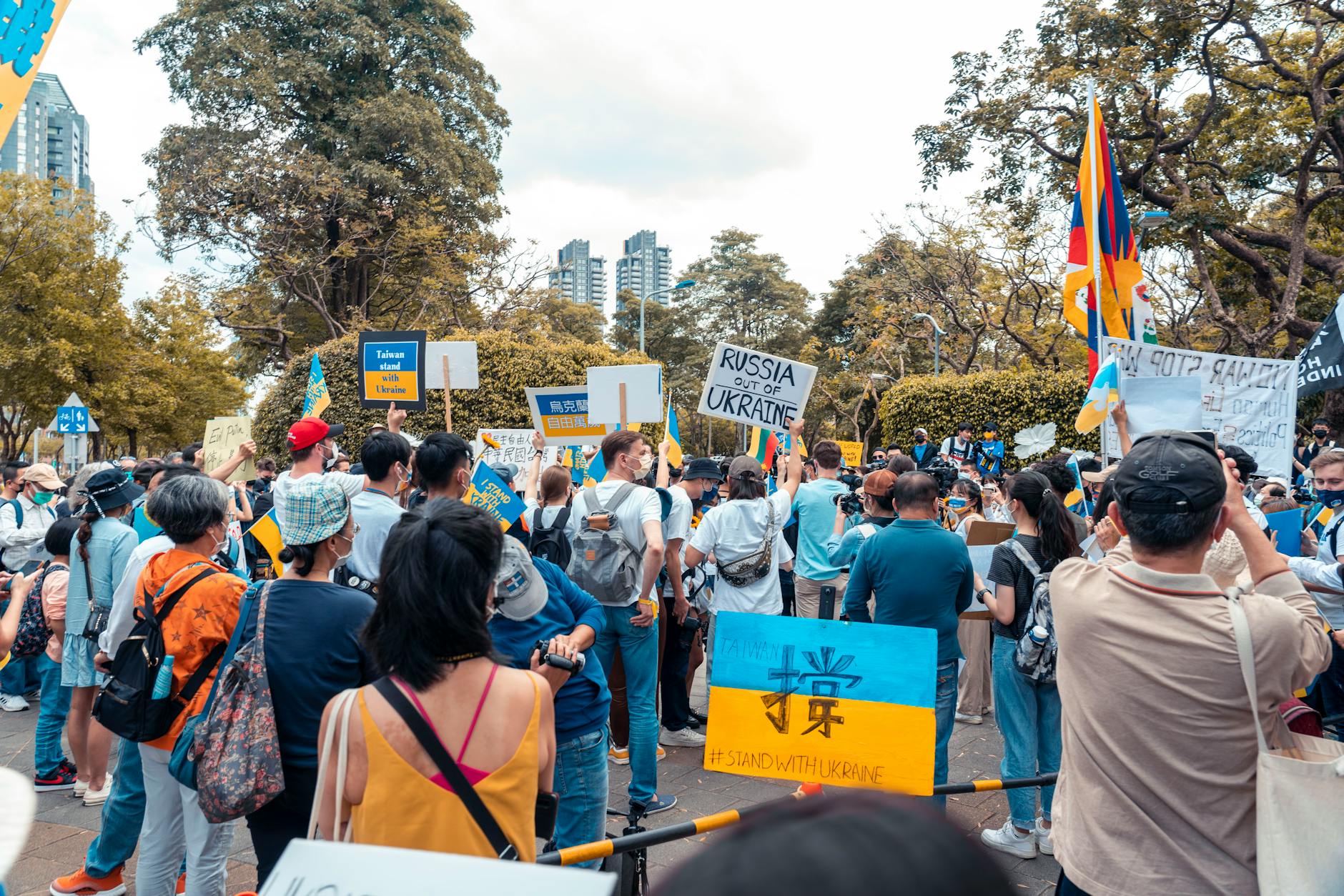
Yet coordination remains difficult. Ukraine needs standardised deliveries, predictable ammunition flows and faster procurement cycles. European defence industries have expanded production, but not always at the pace demanded by the war. Contracting delays, fragmented national requirements and limited stockpiles have slowed delivery. The new loan can help fund demand, but money alone does not immediately create missiles, interceptors or artillery shells.
Another unresolved issue is accountability. EU assistance is expected to be linked to reform conditions, including governance and anti-corruption safeguards. Ukraine has made changes under wartime conditions, but Brussels will continue to monitor procurement, judicial reform and public financial management. The EU must balance urgency with oversight: too much delay can hurt Ukraine’s war effort, but weak controls could undermine political support inside member states.
The decision also carries implications for Russia’s strategy. Moscow has repeatedly sought to exploit divisions among Western countries, betting that time, elections and economic pressure would erode support for Kyiv. A two-year EU package weakens that calculation by giving Ukraine a clearer funding horizon. However, Russia may respond by intensifying military pressure, targeting infrastructure, expanding hybrid operations in Europe or seeking to influence public debate in EU member states.
European security agencies have already warned of sabotage risks, cyberattacks, disinformation campaigns and covert operations linked to Russia or pro-Russian networks. The Ukraine war is therefore no longer treated only as a conventional conflict beyond EU borders. It is increasingly understood as a combined military, economic, cyber and political confrontation affecting the bloc directly.
For ordinary Ukrainians, the immediate importance of the package lies in continuity. It can help maintain hospitals, schools, pensions and salaries while the state fights a major war. For soldiers, the key question is whether European financing translates into faster delivery of equipment and ammunition. For businesses, it offers a signal that the Ukrainian state will remain financially viable, though investment risks remain high as long as missile and drone attacks continue.
The plan is not a final answer to Ukraine’s needs. Officials and analysts expect further funding requests if the war continues at current intensity. Ukraine may still face gaps in 2027 and beyond, particularly if military requirements expand or reconstruction costs rise. The package buys time, strengthens resilience and improves planning, but it does not remove the need for longer-term decisions on frozen Russian assets, defence production and EU enlargement.
Brussels now faces the practical challenge of turning approval into disbursement. That requires legal implementation, coordination with Kyiv, monitoring of reform conditions and alignment with member-state military commitments. The speed of the first payments will be closely watched, especially because Ukraine’s budget and procurement cycles depend on timely transfers rather than headline pledges.
The broader message is that Europe is moving from emergency reaction to strategic ownership. The €90 billion plan does not mean the war is Europe’s alone, but it does show that the EU is preparing to shoulder a larger, more structured role. Whether that role can be sustained will depend on political unity, industrial capacity, budget discipline and the course of the war itself.
For now, the decision gives Kyiv a major financial commitment and gives Brussels a clearer position: Ukraine’s survival is being treated not only as a matter of solidarity, but as a central European security obligation.
Leave a Reply