China has condemned the European Union’s decision to include Chinese entities in its latest sanctions package against Russia, sharply criticising Brussels for what Beijing described as the improper listing of Chinese companies and warning that it will take measures to defend their interests.
The reaction followed the EU’s adoption of its 20th package of sanctions linked to Russia’s war against Ukraine. The measures, approved by the Council of the European Union on April 23, broaden restrictions on Russia’s military-industrial complex, energy networks, trade channels, financial services and sanctions-circumvention routes. The package also targets entities outside Russia that the EU says are involved in supplying critical high-technology items or otherwise supporting Moscow’s war capacity.
In a statement issued on April 25, China’s Ministry of Commerce said Beijing was “strongly dissatisfied” and “firmly opposed” to the EU’s decision to list Chinese companies. The ministry said the EU had proceeded despite repeated representations and objections from China. It urged Brussels to remove Chinese companies and individuals from the sanctions list immediately and to resolve concerns through dialogue and consultation.
Beijing’s response focused on two objections that have become central to China’s position on Western sanctions policy: opposition to unilateral sanctions not authorised by the United Nations Security Council, and opposition to what it calls long-arm jurisdiction against Chinese companies and individuals. The Commerce Ministry said the EU move ran counter to the spirit of consensus reached between Chinese and EU leaders and seriously damaged mutual trust and the broader relationship.
The ministry also warned that China would take “necessary measures” to safeguard what it described as the legitimate rights and interests of Chinese companies. It said all consequences would be borne by the EU side. The statement did not specify what countermeasures Beijing may consider, leaving open whether any response would involve diplomatic protest, export-control action, restrictions on European companies, or other administrative steps.
The EU has framed the sanctions package as part of a wider effort to reduce Russia’s ability to sustain its war in Ukraine. According to the Council, the package further constrains Russia’s military-industrial base by designating companies and associated individuals involved in the development and manufacture of military goods, including drones. Brussels also said the measures address Russia’s reliance on third countries for the supply of critical high-tech items.
The EU’s sanctions regime has increasingly moved beyond direct restrictions on Russian banks, state companies, military suppliers and energy flows. Recent packages have also focused on intermediary networks, re-export channels and non-Russian companies accused of helping Moscow obtain components or technologies restricted under EU law. That approach reflects growing concern in Brussels that Russia has adapted to earlier sanctions by using third-country firms, indirect trade routes and complex procurement chains.
The inclusion of Chinese entities is particularly sensitive because China is one of the EU’s largest trading partners and because Beijing has maintained close economic ties with Russia while calling publicly for a negotiated settlement to the war. EU officials have repeatedly pressed China to ensure that Chinese companies do not supply Russia with goods that could contribute to its military capabilities. Beijing has rejected accusations that it is fuelling the war and says it maintains a responsible approach to dual-use export controls.
Dual-use goods are products, technologies or software that may have civilian applications but can also be used for military purposes. In the context of the war in Ukraine, European authorities have focused on items such as electronics, drone components, machine tools, sensors, communications equipment and other high-technology products that may feed into Russian weapons production or battlefield systems.
The latest dispute therefore goes beyond the direct legal effect of the sanctions listings. It highlights a widening disagreement over how far the EU should go in targeting non-Russian companies accused of helping Russia evade restrictions. For Brussels, third-country enforcement has become essential to preserving the credibility of sanctions. For Beijing, the listing of Chinese firms is seen as a direct challenge to Chinese commercial sovereignty and an example of the EU aligning its economic security policy with wider Western pressure on Russia.
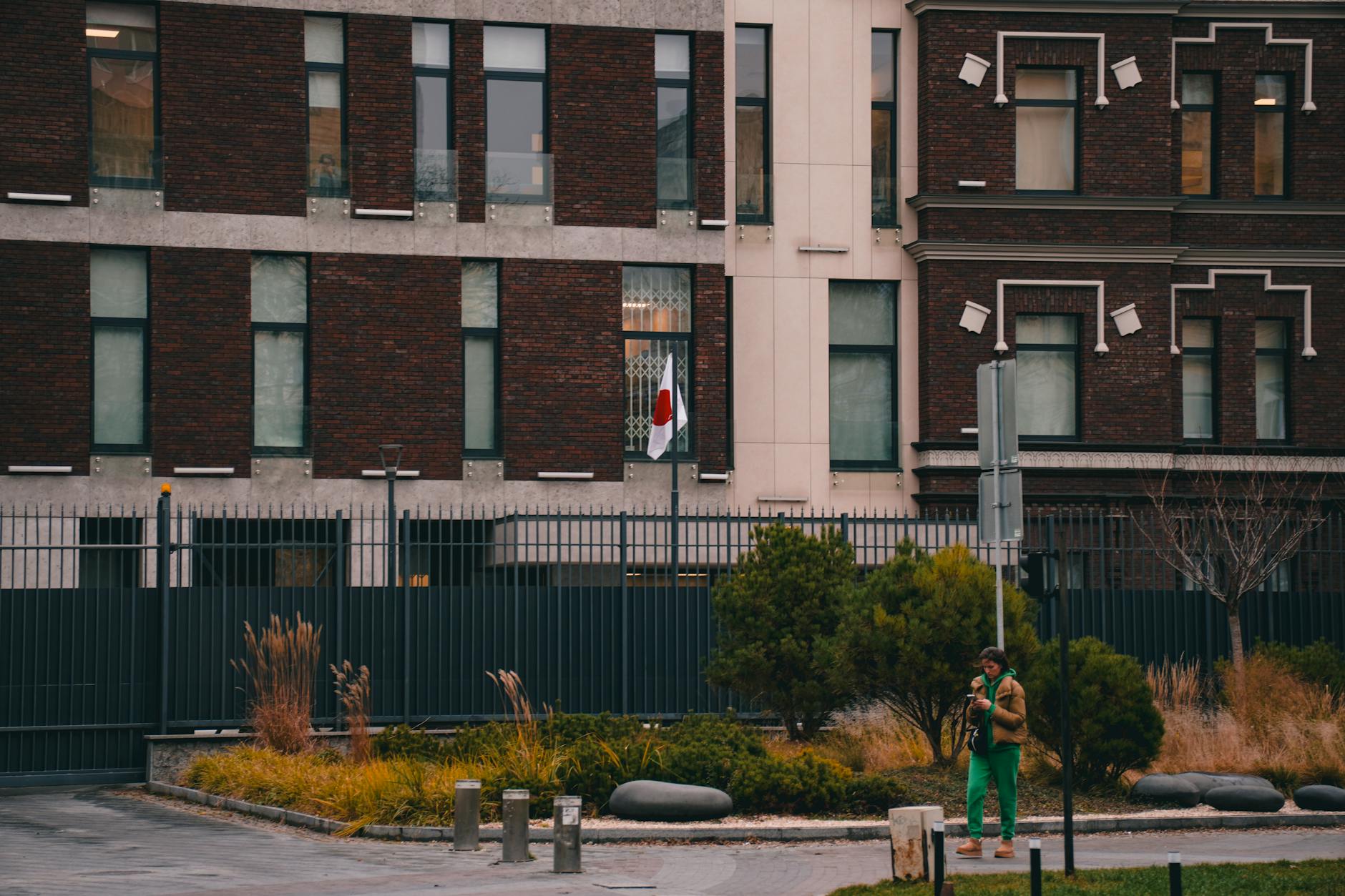
The EU’s 20th sanctions package was presented as a broad measure aimed at energy, military production, trade and financial flows. The Council said it includes new designations and additional restrictions designed to limit Moscow’s access to goods, services and financial infrastructure that could support the war. It also targets mechanisms used to move money and assets outside conventional channels, including measures linked to crypto-asset services.
China’s criticism comes at a delicate moment in EU-China relations. The two sides have maintained high-level contact on trade, climate, industrial policy and geopolitical issues, but relations have been strained by disputes over electric vehicles, market access, technology security, human rights, Taiwan and China’s relationship with Russia. The sanctions dispute adds another point of friction at a time when European governments are trying to balance economic engagement with risk reduction.
For European policymakers, the challenge is to maintain pressure on Russia while avoiding an uncontrolled deterioration in relations with Beijing. The EU has argued that sanctions are targeted and legally grounded in its response to Russia’s aggression against Ukraine. China has argued that such measures should not be applied extraterritorially to Chinese entities and should not be used to interfere with normal commercial activity.
The dispute is also likely to be watched closely by European companies operating in China. If Beijing responds with countermeasures, European firms in sensitive sectors could face additional scrutiny, export restrictions or administrative uncertainty. China has previously used export-control measures and entity listings in response to foreign restrictions, though the form and scope of any action in this case remain unclear.
The timing of China’s statement is notable because it came shortly after another sign of sanctions-related bargaining between the two sides. China had recently removed countermeasures against two European banks after the EU removed two Chinese financial institutions from a Russia-related sanctions list. That episode suggested that targeted adjustments remained possible through negotiation. The new condemnation indicates that the issue remains volatile and may continue to affect the wider diplomatic channel.
At the core of the dispute is a clash between enforcement priorities and jurisdictional objections. The EU says Russia’s procurement networks must be disrupted wherever they operate if sanctions are to be effective. China says the EU should not punish Chinese companies on the basis of unilateral measures and should address concerns through consultation rather than listings. Both positions are likely to remain entrenched as long as the war continues and Russia keeps seeking restricted goods through third-country routes.
Ukraine and its European supporters have repeatedly urged stronger action against supply chains that sustain Russian weapons production. European governments have been under pressure to close loopholes after evidence emerged in previous years that Western and Asian-origin components continued to appear in Russian military equipment. While the presence of foreign components does not automatically prove state-backed supply, it has strengthened calls in Europe for tougher corporate due diligence and sanctions enforcement.
China’s position is that it has not supplied lethal weapons to any party in the conflict and that normal trade should not be politicised. Beijing has called for peace talks and has portrayed itself as a potential diplomatic actor. However, European officials have remained concerned that China’s industrial base and export networks can indirectly support Russia’s war economy, even if Beijing denies official military assistance.
The EU’s decision to list Chinese entities may also influence future discussions on export controls. Brussels has sought closer coordination with partners on sensitive technologies, but the EU’s own approach remains complicated by divergent member-state interests. Some governments favour a tougher line on China and Russia-linked trade routes, while others remain wary of measures that could damage European export sectors or provoke retaliation.
For China, the sanctions listings are likely to reinforce concerns that the EU is expanding economic security tools in ways that could affect Chinese firms across multiple sectors. Beijing has criticised what it sees as politicised trade restrictions, discriminatory investigations and technology barriers. The Commerce Ministry’s latest statement places the Russia sanctions dispute within that broader pattern, arguing that the EU action harms trust and bilateral stability.

The immediate practical effect of the listings will depend on the entities named, the types of restrictions applied and the exposure of those companies to EU markets, financial systems and suppliers. Sanctions can limit access to European goods, technology, financing and business relationships. They can also create reputational risks, making banks, logistics providers and suppliers more cautious even outside the EU.
The diplomatic effect may be broader. EU-China relations have already been marked by a pattern of selective cooperation and recurring confrontation. The two sides continue to trade heavily and engage on global issues, but strategic distrust has deepened. Russia’s war has been one of the main drivers of that distrust, especially as European capitals see Moscow as the central security threat to the continent and view China’s relationship with Russia through that lens.
China’s warning that “all consequences” would be borne by the EU raises the possibility of further escalation, though Beijing may still calibrate its response to avoid a wider trade conflict. A measured response could include formal diplomatic protests and continued pressure for delisting. A stronger response could involve targeted countermeasures against European entities, tighter export controls, or restrictions affecting companies linked to sensitive political issues.
For the EU, backing down from listings without evidence-based review could be politically difficult, especially as member states have committed to sustaining pressure on Russia. At the same time, Brussels may seek to keep technical channels open with Beijing to clarify evidence, compliance expectations and possible routes for companies to contest designations. Such mechanisms could reduce the risk that the sanctions dispute spills into unrelated areas of the relationship.
The episode also underscores the increasingly global nature of Europe’s Russia sanctions policy. What began as a direct response to Russia’s invasion has become a complex enforcement system affecting banks, insurers, shipping firms, technology suppliers, traders and manufacturers across multiple jurisdictions. As Russia adapts, the EU is moving further into third-country enforcement. That shift increases the effectiveness of sanctions in theory, but it also raises diplomatic costs.
Beijing’s reaction shows that those costs are now being felt in one of the EU’s most important external relationships. China is not only a major trading partner but also a geopolitical actor with leverage over critical minerals, manufacturing supply chains, consumer markets and diplomatic positions in global institutions. Any deterioration in EU-China relations could have consequences beyond the Russia sanctions file.
Still, neither side has an obvious interest in a full rupture. The EU wants to prevent Russia from using global supply chains to support its war effort, but it also wants to preserve channels with China on trade and global governance. China wants to defend its companies and oppose sanctions practices it considers illegitimate, but it also has an interest in maintaining access to European markets and avoiding a broader economic confrontation.
The next phase will depend on whether China’s warning is followed by concrete measures and whether the EU provides further detail on the evidence behind the listings. Companies affected by sanctions may seek administrative or legal remedies, while diplomats may attempt to manage the dispute through existing EU-China channels. The issue is unlikely to disappear quickly because it is tied to the larger question of how Europe responds to Russia’s war and how China positions itself between Moscow and the West.
For now, the public positions remain far apart. Brussels says the sanctions are designed to restrict Russia’s access to military-relevant goods and close circumvention pathways. Beijing says the EU has wrongfully targeted Chinese companies, undermined mutual trust and engaged in unacceptable extraterritorial action. The result is a sharper confrontation over the intersection of trade, technology and war policy, with both sides signalling that the matter will remain on the bilateral agenda.
Leave a Reply