The European Union has set out a new roadmap to deepen single market integration by the end of 2027, in a coordinated push by the bloc’s three main institutions to accelerate competitiveness reforms and reduce barriers that continue to divide Europe’s internal economy.
The “One Europe, One Market” roadmap was signed by the presidents of the European Parliament, the Council of the European Union and the European Commission on the sidelines of an informal meeting of EU heads of state or government in Cyprus. The agreement commits the institutions to pursue concrete legislative and policy actions within a defined timetable, with quarterly reviews to monitor progress and identify obstacles.
The roadmap is being framed in Brussels as a response to sustained geopolitical volatility, technological disruption and economic uncertainty. EU leaders have increasingly warned that the bloc’s economic strength depends not only on external trade policy or industrial subsidies, but also on whether companies can operate across the Union without excessive administrative, legal or regulatory fragmentation.
According to the Council announcement, the roadmap includes targets for legislative proposals and agreement by the co-legislators, quarterly progress reviews, clear institutional responsibilities and regular stocktaking for transparency. The European Parliament’s statement described the document as a joint declaration committing the institutions to the “One Europe, One Market” objective by the end of 2027.
The initiative is organised around five strategic building blocks: simplifying rules, creating a more integrated single market, championing strong trade, reducing energy prices while advancing decarbonisation, and driving digital and artificial intelligence transformation. The roadmap also refers to removing the most harmful barriers that still affect the functioning of the single market.
The single market has long been one of the EU’s defining economic achievements, allowing goods, services, capital and people to move across member states under common rules. Yet EU officials and business groups have repeatedly argued that its practical operation remains incomplete. Persistent national differences in regulation, licensing, reporting requirements, taxation procedures and implementation practices continue to affect cross-border activity.
For companies, those barriers can raise compliance costs and limit expansion across member states. For policymakers, they restrict the EU’s ability to build scale in sectors considered strategically important, including clean technology, advanced manufacturing, digital infrastructure, defence-related production, energy systems and artificial intelligence.
The roadmap’s 2027 deadline is therefore politically significant. It gives the current EU institutional cycle a defined delivery point and creates a benchmark against which governments, lawmakers and businesses can judge whether competitiveness commitments are being turned into enforceable action.
The Commission is expected to propose the legislative and policy initiatives listed in the roadmap’s annex, while the Parliament and the Council commit to work toward swift agreement on the relevant proposals. Member states and the Commission are also expected to strengthen implementation and enforcement so that agreed measures produce measurable effects.

The quarterly review mechanism is one of the most important operational elements of the plan. Previous EU competitiveness agendas have often produced broad conclusions but uneven follow-through. By requiring regular institutional meetings to review progress, identify blockages and update the annex where necessary, the new roadmap seeks to maintain pressure on delivery.
The agreement also reflects a broader shift in EU economic policy. Since the energy shock triggered by Russia’s invasion of Ukraine, and amid stronger industrial competition from the United States and China, EU leaders have increasingly linked internal market reform to resilience, security and strategic autonomy. A more integrated single market is now being presented not only as a pro-business measure, but as a foundation for Europe’s capacity to compete globally.
European Commission President Ursula von der Leyen said the actions would support economic growth, digital transformation and industrial resilience. European Parliament President Roberta Metsola said the roadmap would provide predictability to citizens and businesses. Nikos Christodoulides, the President of Cyprus acting in the country’s role as holder of the rotating Council presidency, called implementation a strategic necessity for Europe’s competitiveness and cohesion.
The roadmap’s emphasis on simplification reflects pressure from businesses and member states to reduce administrative burdens. Companies operating across borders often face overlapping reporting requirements, divergent national interpretations of EU rules and lengthy procedures. Simplification is likely to be one of the most politically visible parts of the agenda, but also one of the most difficult to deliver without weakening standards or provoking disputes over national competence.
The integration pillar is expected to focus on the remaining structural barriers inside the single market. Services remain less integrated than goods, and digital business models often face different national requirements. Capital market fragmentation also continues to limit investment flows, while energy market differences affect costs for industrial users. Addressing those issues will require not only new proposals from Brussels, but also willingness from member states to reduce exceptions and improve implementation of existing rules.
The trade pillar places the single market agenda within the EU’s wider external economic strategy. The bloc is seeking to diversify partnerships, reduce excessive dependencies and strengthen its capacity to respond to global economic pressure. A more coherent internal market could give the EU greater leverage in trade negotiations and make it easier for companies to scale before competing internationally.
The energy and decarbonisation pillar reflects concerns that high and uneven energy costs remain a major competitiveness challenge. Industrial users in Europe have warned that energy prices can weaken investment decisions and undermine production in energy-intensive sectors. The roadmap links affordability with decarbonisation, suggesting that the EU will continue to pursue climate objectives while trying to reduce cost disadvantages.
The digital and AI pillar points to the EU’s ambition to strengthen technological capacity while maintaining regulatory coherence. Fragmented implementation of digital rules can make it harder for firms to operate across borders and can slow the adoption of new technologies. The roadmap indicates that digital transformation and artificial intelligence will be treated as central to the single market’s next phase.
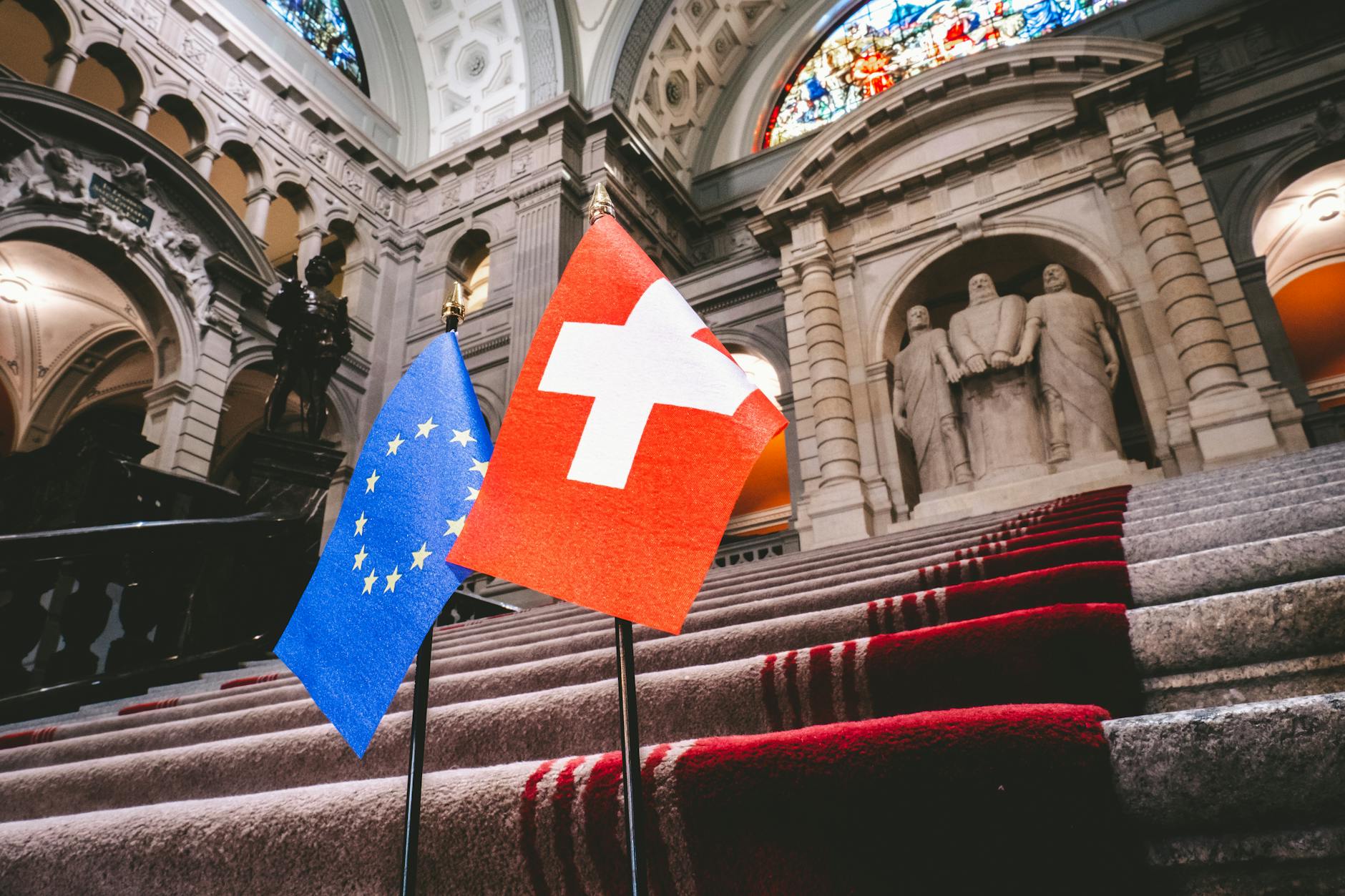
The political challenge will be substantial. The European Parliament, Council and Commission have different institutional roles, and member states often defend national regulatory systems in areas that affect professional services, taxation, labour rules, permitting and public procurement. A roadmap can create pressure and visibility, but it cannot by itself remove entrenched national preferences.
For the Council, the agreement requires governments to accept that competitiveness reforms may involve reducing fragmentation created by member states themselves. For the Parliament, the roadmap offers a chance to shape detailed legislation while presenting itself as a driver of economic resilience. For the Commission, the test will be whether it can produce targeted proposals that are ambitious enough to change market conditions but politically realistic enough to pass.
The roadmap may also matter for companies outside the EU. Businesses from third countries that operate in the Union could benefit from clearer and more consistent rules, but deeper integration may also bring stronger central standards and more coordinated enforcement. The practical effect will depend on the content of the legislative proposals that follow.
Business groups are likely to watch closely whether the roadmap delivers measurable outcomes rather than another layer of institutional process. The promise of quarterly monitoring could increase accountability, but only if the reviews are tied to specific deadlines, named proposals and transparent assessment of delays.
The signing in Cyprus gives the initiative political visibility at a time when EU leaders are seeking to show that competitiveness reform is moving from diagnosis to execution. The single market has been repeatedly described as one of Europe’s greatest assets, but the new roadmap acknowledges that its unfinished elements are now seen as a constraint on growth, investment and resilience.
By setting the end of 2027 as the deadline, the EU has created a relatively short window for delivery. The coming months will show whether the institutions can translate the roadmap into legislative files, implementation decisions and enforcement actions capable of reducing real barriers for companies and citizens.
If implemented with discipline, the roadmap could become a major step toward a more coherent European economy. If it becomes mainly a review exercise without enforceable change, it risks joining earlier competitiveness plans whose ambition exceeded their practical effect. The immediate importance of the announcement lies in the fact that the EU’s three central institutions have now put a timetable, monitoring structure and shared political ownership behind the long-running objective of completing the single market.
Leave a Reply