European Union officials entered a new round of high-level trade discussions with the United States on Friday as concerns intensified across European capitals over the possibility of renewed tariff escalation tied to Donald Trump’s economic agenda ahead of the US presidential transition cycle.
Senior diplomats and trade representatives from Brussels and Washington have spent recent weeks attempting to finalize a framework agreement intended to stabilize transatlantic commercial relations and prevent the re-emergence of punitive tariffs that previously disrupted trade flows during Trump’s first presidency.
European policymakers say the latest negotiations are focused on securing long-term exemptions or safeguards against potential future US tariffs on automobiles, industrial machinery, steel, aluminum, pharmaceuticals, and clean technology products. The discussions also involve disputes surrounding green industrial subsidies, procurement rules, carbon standards, and strategic supply chains.
While officials on both sides continue to describe the talks as constructive, diplomats familiar with the negotiations acknowledged that several politically sensitive issues remain unresolved. EU member states have pushed for stronger legal certainty regarding tariff protections, while US negotiators have sought broader concessions linked to industrial investment and supply chain localization.
The negotiations come at a particularly fragile economic moment for Europe. Manufacturing activity across several major eurozone economies has remained under pressure throughout the past year, with weak export demand, high borrowing costs, and rising geopolitical uncertainty weighing on industrial output.
Germany, Europe’s largest economy and one of the bloc’s most export-dependent manufacturing powers, is considered especially vulnerable to any renewed tariff confrontation with Washington. German automakers and machinery producers continue to rely heavily on access to US consumers and industrial buyers.
French officials have similarly warned that uncertainty surrounding US trade policy risks undermining investment planning across aerospace, luxury goods, chemicals, and renewable energy sectors. Southern European economies, meanwhile, remain concerned about broader effects on agricultural exports and supply chain financing.
European Commission President Ursula von der Leyen has repeatedly stressed the importance of maintaining stable economic relations with the United States despite growing strategic competition in several industrial sectors. EU officials argue that both sides remain economically interdependent even as industrial policy differences widen.
Privately, however, European diplomats acknowledge growing anxiety about the possibility of a renewed protectionist shift in Washington. Trump has repeatedly signaled support for sweeping universal tariffs on imported goods and has specifically criticized European trade practices during campaign appearances and policy speeches.
Several European officials involved in the negotiations said Brussels is attempting to secure contingency arrangements before the US political environment becomes more volatile later in the year. Some policymakers fear that unresolved disputes could rapidly escalate into broader retaliatory measures affecting multiple sectors.
The European Union has already spent years attempting to manage disputes inherited from earlier trade confrontations between Washington and Brussels. During Trump’s previous administration, the United States imposed tariffs on European steel and aluminum imports under national security provisions, prompting retaliatory measures from the EU.
Although many of those tensions eased under subsequent negotiations, several structural disagreements were never fully resolved. Disputes surrounding aircraft subsidies, digital regulation, carbon border measures, and industrial incentives have continued to create friction between the two sides.
Current discussions also reflect growing competition over clean technology manufacturing. European officials remain concerned that large-scale US industrial subsidies introduced through recent American legislation could attract investment away from Europe.
EU policymakers have argued that subsidy competition risks fragmenting global supply chains and undermining fair competition rules. Washington, however, has defended its industrial policies as necessary to strengthen domestic manufacturing resilience and accelerate the energy transition.
One of the most difficult areas in the current negotiations involves electric vehicles and battery supply chains. European automakers are seeking predictable regulatory treatment in the US market while attempting to preserve competitiveness against both American and Chinese producers.

Industry representatives from across Europe have urged Brussels to avoid a prolonged trade confrontation. Business groups warn that uncertainty alone can discourage cross-border investment and complicate long-term planning for manufacturers already facing elevated energy and financing costs.
European steel producers have also expressed concern about the future of transatlantic metals arrangements. Temporary frameworks introduced to reduce tensions following earlier tariff disputes are approaching politically sensitive review periods, raising fears that unresolved negotiations could revive punitive measures.
Meanwhile, agricultural exporters in Spain, Italy, France, and the Netherlands are monitoring the talks closely. Several sectors previously targeted during earlier tariff disputes experienced substantial disruptions to exports and distribution networks.
Financial markets reacted cautiously to reports that negotiations remain incomplete. European industrial shares traded unevenly during Friday’s session as investors assessed the likelihood of renewed trade tensions. Analysts said markets remain sensitive to signals regarding future US tariff policy because of Europe’s reliance on exports for economic growth.
The eurozone economy has shown only modest recovery momentum following prolonged industrial weakness and slowing consumer demand. Economists warn that another period of transatlantic tariff instability could place additional strain on already fragile growth conditions.
European Central Bank officials have separately warned that trade fragmentation and geopolitical uncertainty remain major risks to the region’s economic outlook. Higher tariffs could increase costs for manufacturers while weakening export demand simultaneously.
Trade experts note that the EU and United States together represent one of the world’s largest bilateral economic relationships, accounting for hundreds of billions of euros in annual goods and services trade. Disruptions between the two markets therefore carry implications far beyond Europe and North America.
Several diplomats involved in the negotiations emphasized that both sides remain committed to avoiding a full-scale trade war. However, officials also acknowledged that domestic political pressures are making compromise increasingly difficult.
Within Europe, member states remain divided on how aggressively Brussels should respond if new tariffs are introduced. Some governments favor a strong retaliatory strategy designed to deter future US measures, while others argue that escalation would damage European exporters more severely.
Countries with large industrial export sectors, including Germany and the Netherlands, have generally supported efforts to preserve stable commercial relations and avoid rapid retaliation. France has advocated a more assertive industrial policy response aimed at protecting European strategic industries.
The negotiations have also highlighted broader questions surrounding Europe’s economic security strategy. EU policymakers have spent the past several years attempting to reduce vulnerabilities in critical supply chains while maintaining open trade relations with major partners.
That balancing effort has become increasingly difficult amid rising geopolitical tensions involving the United States, China, and Russia. European leaders have repeatedly argued that the bloc must strengthen industrial resilience without abandoning global trade integration.
US officials have meanwhile argued that closer transatlantic coordination remains necessary to counter strategic economic risks posed by authoritarian competitors. Washington has urged European allies to align more closely with American industrial and supply chain priorities.
Despite those shared strategic concerns, disagreements persist regarding how the economic burden of industrial transformation should be distributed. European governments remain wary of policies they believe could shift investment and manufacturing capacity disproportionately toward the United States.
Trade lawyers following the talks said negotiators are exploring narrower sector-based arrangements rather than pursuing a comprehensive free trade agreement, which would likely face major political obstacles on both sides of the Atlantic.
Such limited agreements could potentially include targeted tariff suspensions, quota arrangements, regulatory cooperation measures, and industrial coordination frameworks. However, diplomats cautioned that even these narrower objectives remain difficult to finalize.
Some European officials privately worry that a failure to reach even a limited understanding could weaken investor confidence in broader transatlantic economic cooperation. The uncertainty comes as European governments are already attempting to mobilize large-scale investment into defence, energy infrastructure, semiconductors, and clean technology.
Business associations across Europe have called for greater predictability in transatlantic trade policy. Manufacturing executives argue that abrupt tariff changes complicate supply chain decisions and increase operational costs for firms operating across multiple jurisdictions.
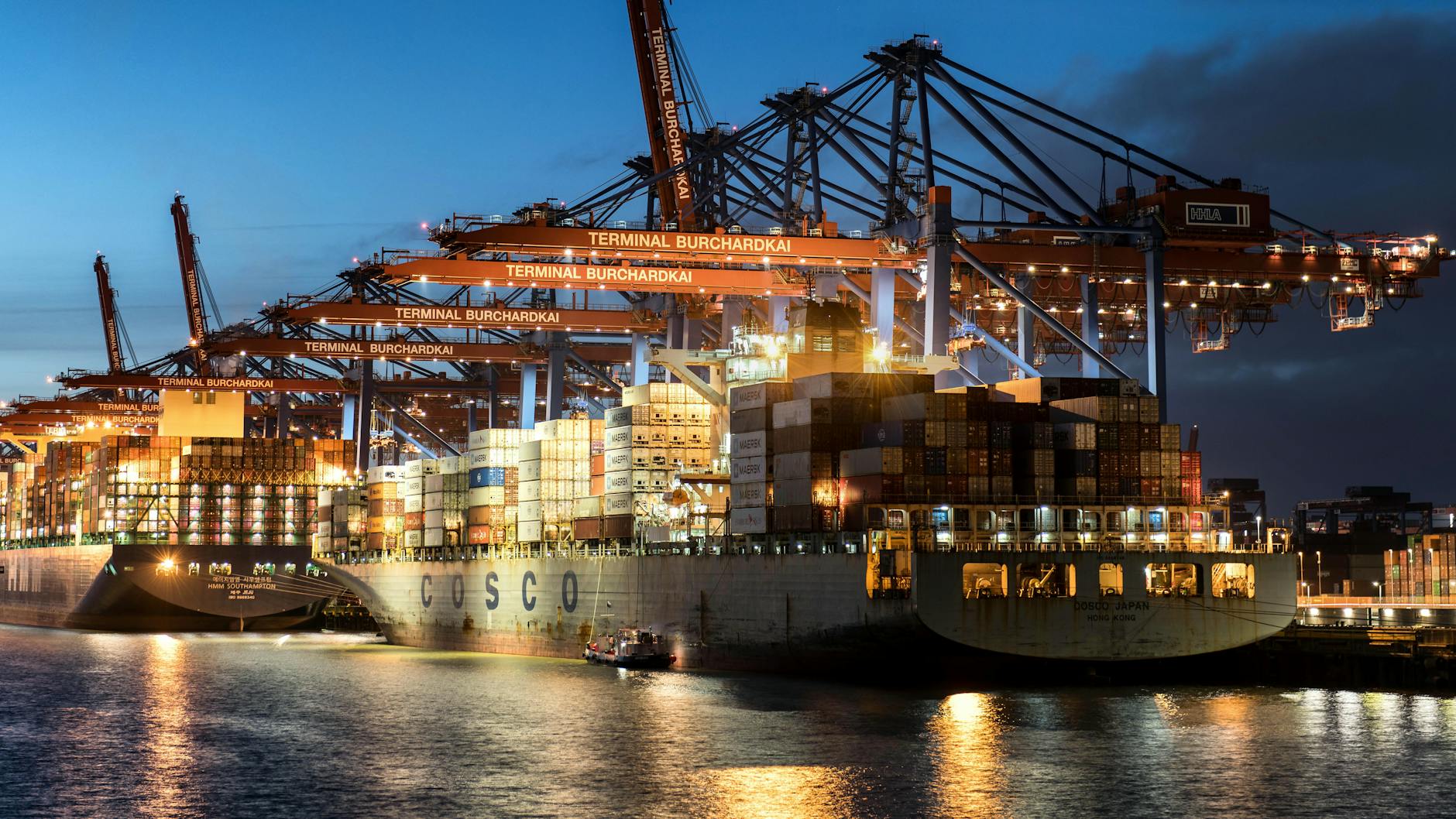
Shipping and logistics companies are similarly monitoring developments closely. Previous tariff disputes altered trade routes, inventory management strategies, and procurement patterns for numerous multinational corporations.
European policymakers also fear that renewed trade conflict with Washington could indirectly benefit Chinese exporters by fragmenting Western industrial coordination. Some officials argue that stable EU-US trade relations remain strategically important amid broader competition with Beijing.
At the same time, Brussels continues to pursue a more autonomous industrial strategy designed to strengthen domestic production capacity in sensitive sectors including semiconductors, batteries, pharmaceuticals, and advanced manufacturing equipment.
The current negotiations therefore reflect a broader transformation in global trade policy, where national security considerations, industrial subsidies, and geopolitical competition increasingly shape commercial relationships.
Economists say the era of highly liberalized global trade is giving way to a more fragmented system in which governments intervene more directly to support domestic industries and secure strategic supply chains.
For Europe, that transition presents difficult choices. The bloc remains heavily dependent on international trade but is also seeking greater economic resilience following disruptions caused by the pandemic, the war in Ukraine, and energy market instability.
Diplomats indicated that negotiations between Brussels and Washington are likely to continue throughout the coming weeks regardless of immediate outcomes. Officials from both sides appear eager to avoid public breakdowns in the talks even as substantive disagreements persist.
European leaders are expected to discuss the trade situation further during upcoming EU ministerial meetings, where member states will assess contingency options in the event of future US tariff actions.
Analysts say the negotiations could ultimately become one of the defining tests of the broader transatlantic relationship during a period marked by geopolitical uncertainty, industrial competition, and shifting global economic alliances.
Whether negotiators succeed in stabilizing trade relations may significantly influence Europe’s economic outlook at a time when the region is already confronting multiple external and internal pressures.
Leave a Reply