British travellers flying home from European airports are being advised to arrive at least three hours before departure as queues linked to the European Union’s Entry/Exit System continue to affect border processing at several major hubs. The warning, issued as the summer travel season gathers pace, reflects growing concern among airlines and airport operators that the new digital border regime is extending the time needed for UK passengers to clear exit controls before returning home.
The immediate advice is straightforward: passengers holding British passports should build in more time than they may have allowed before Brexit-era border changes came into effect. The additional margin is intended to reduce the risk of missed flights where airport passport-control queues are longer than usual, especially at destinations with heavy UK tourist traffic or during peak morning and evening departure waves.
The delays are being associated with the EU Entry/Exit System, known as EES, which registers non-EU nationals travelling for short stays in participating European countries. The system records each entry and exit, replacing the former practice of manually stamping passports. For many British travellers, the change means that border checks now involve a digital record and, in many cases, biometric registration including facial images and fingerprints.
Because the United Kingdom is no longer an EU member state, most British citizens using ordinary passports are processed as third-country nationals when entering or leaving the Schengen area. That status is central to the current disruption. Passengers who previously passed through EU border lanes with comparatively limited friction are now subject to a more formalised system designed to track permitted stays and strengthen external border control.
The latest travel warning has particular importance for passengers departing from airports in southern and western Europe, where UK holiday traffic is especially concentrated. Spain, Portugal and France are among the destinations cited in recent reports of long queues, while disruption has also been monitored across other Schengen airports adjusting to the new procedures. The impact varies by airport, terminal, staffing level and time of day, but the common operational issue is that each traveller may require more processing time than under the old passport-stamp model.
Airlines are therefore urging passengers not to treat the three-hour recommendation as a maximum arrival window but as a practical minimum during the busiest periods. The advice is especially relevant to families, passengers checking baggage, travellers with limited mobility, and those using regional or smaller airports where there may be fewer border-control desks open. It also matters for travellers with connecting itineraries, because a delay at the first airport can affect onward flights even when the passenger has checked in online.
The EES is intended to provide a more accurate record of short-stay movements in and out of the Schengen area. Under existing rules, most UK visitors can spend up to 90 days in any 180-day period in the Schengen zone without a visa. A digital entry and exit record is meant to make that limit easier to monitor and to identify overstays more consistently. EU authorities have presented the system as a border-security and migration-management tool rather than as a tourism measure.
For passengers, however, the immediate effect is procedural. Travellers may have to use kiosks, attend counters, provide biometric data and wait while border officers complete checks. The process may be faster for travellers whose details have already been registered, but during the early operating period many passengers are encountering the system for the first time. This has increased pressure at airports where large numbers of non-EU nationals arrive or depart in compressed time windows.
Airport groups have warned that even small increases in per-passenger processing time can cause visible queues when applied to high-volume terminals. A border check that takes only one or two minutes longer can quickly create a backlog when several flights depart close together. Where staff are still adapting to new equipment or where travellers are unfamiliar with instructions, the queue can lengthen further.
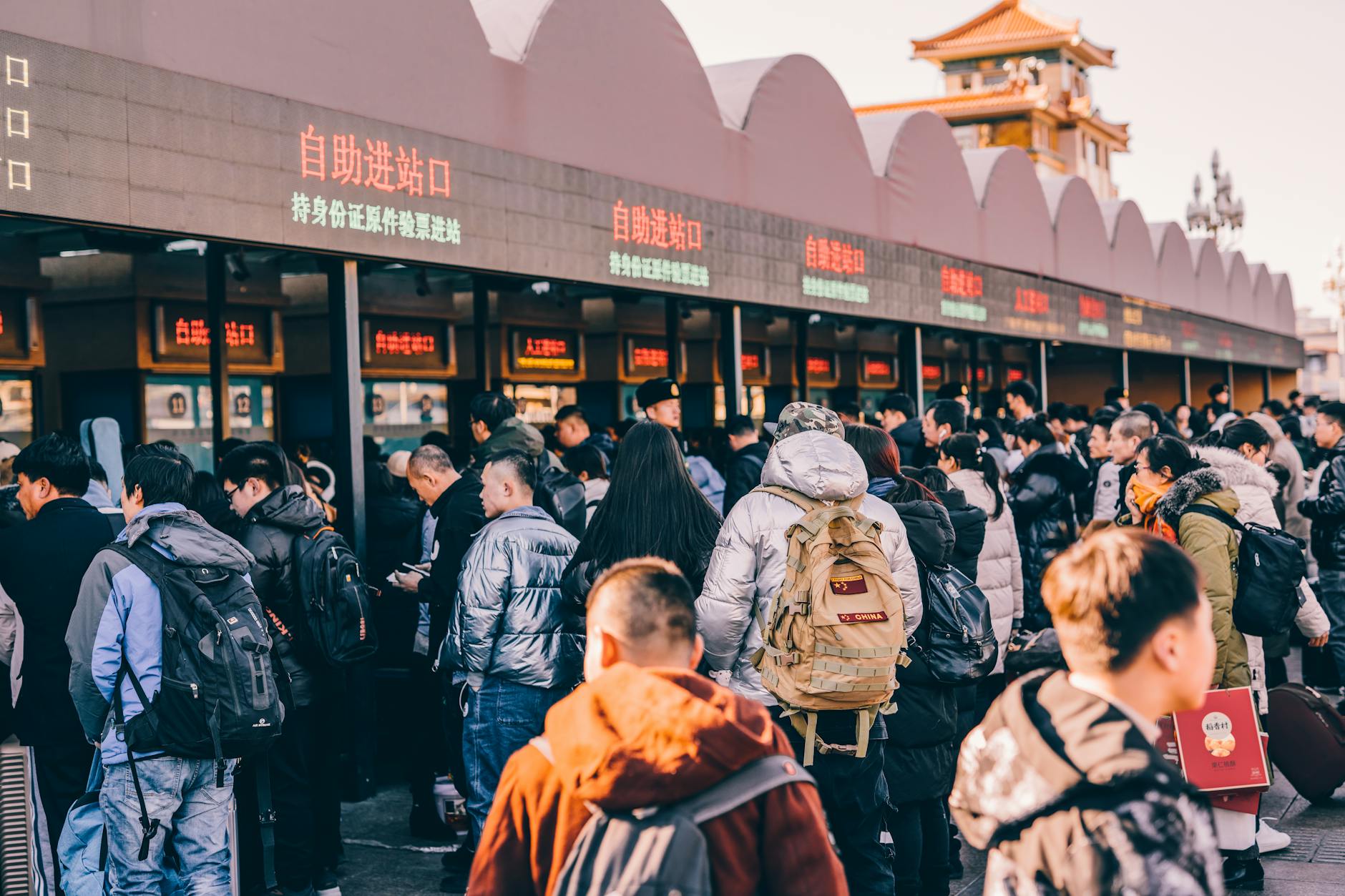
The warning to arrive early does not mean every British traveller will face a three-hour wait. Many passengers will pass through airports with limited disruption, and some airports have reported smoother performance after initial adjustments. But the guidance reflects a risk-based approach: because border delays are uneven and can develop quickly, airlines prefer passengers to reach the airport earlier rather than rely on normal pre-EES timings.
Passengers are also being encouraged to prepare for longer waits inside terminals. Practical advice includes keeping passports easily accessible, ensuring mobile phones are charged, carrying essential medication in hand luggage, and allowing extra time for baggage drop, security screening and the walk to the gate. Families should also consider that children may require additional support at automated border points or when instructions are issued by airport staff.
The disruption has revived broader questions about how airports implement new border technology while maintaining passenger flow. Automated systems are often introduced to reduce long-term processing burdens, but their early rollout can produce delays if equipment, staffing and passenger behaviour are not aligned. The difficulty is most acute at airports handling high leisure volumes, where many passengers travel only occasionally and may not be familiar with new border requirements.
The summer timing adds another layer of pressure. Late May marks the start of a busier travel period for UK passengers, with school holidays, weekend breaks and early summer departures increasing demand across European routes. Airlines operating to Mediterranean destinations are particularly exposed because large numbers of British passengers may be travelling through the same terminals in short departure windows. A queue that would be manageable in March can become far more disruptive in June, July and August.
Some European authorities have used flexibility to ease congestion during periods of severe pressure. Under the system’s operational rules, border authorities may be able to adjust or temporarily suspend certain checks in exceptional circumstances to protect safety and flow. Reports of temporary easing at some points show that governments are trying to balance the legal requirement to operate EES with the practical need to prevent overcrowding at ports and airports.
That flexibility, however, is not uniform. Travellers cannot assume that biometric checks will be suspended at a particular airport or on a particular day. Border-control decisions depend on the national authority, local conditions and the severity of queues. As a result, airlines are continuing to advise passengers to plan for the full process, not for a best-case scenario.
The issue also illustrates the lasting operational consequences of the UK’s changed relationship with the EU. Before Brexit, British citizens benefited from EU free-movement arrangements and simpler border handling within much of Europe. Since the end of the transition period, UK travellers have faced short-stay limits, passport-validity rules and, now, automated entry-exit registration. The EES does not create a visa requirement for ordinary short visits, but it does make border crossings more formal.
For frequent travellers, the main concern is predictability. Business passengers, commuters with cross-border interests and travellers on tight schedules may find the new system manageable once registration becomes routine. For holidaymakers, the problem is more immediate: a missed return flight can mean rebooking costs, accommodation complications and disruption to work or school schedules. The three-hour arrival recommendation is therefore aimed at reducing avoidable risk rather than signalling that every airport is in crisis.
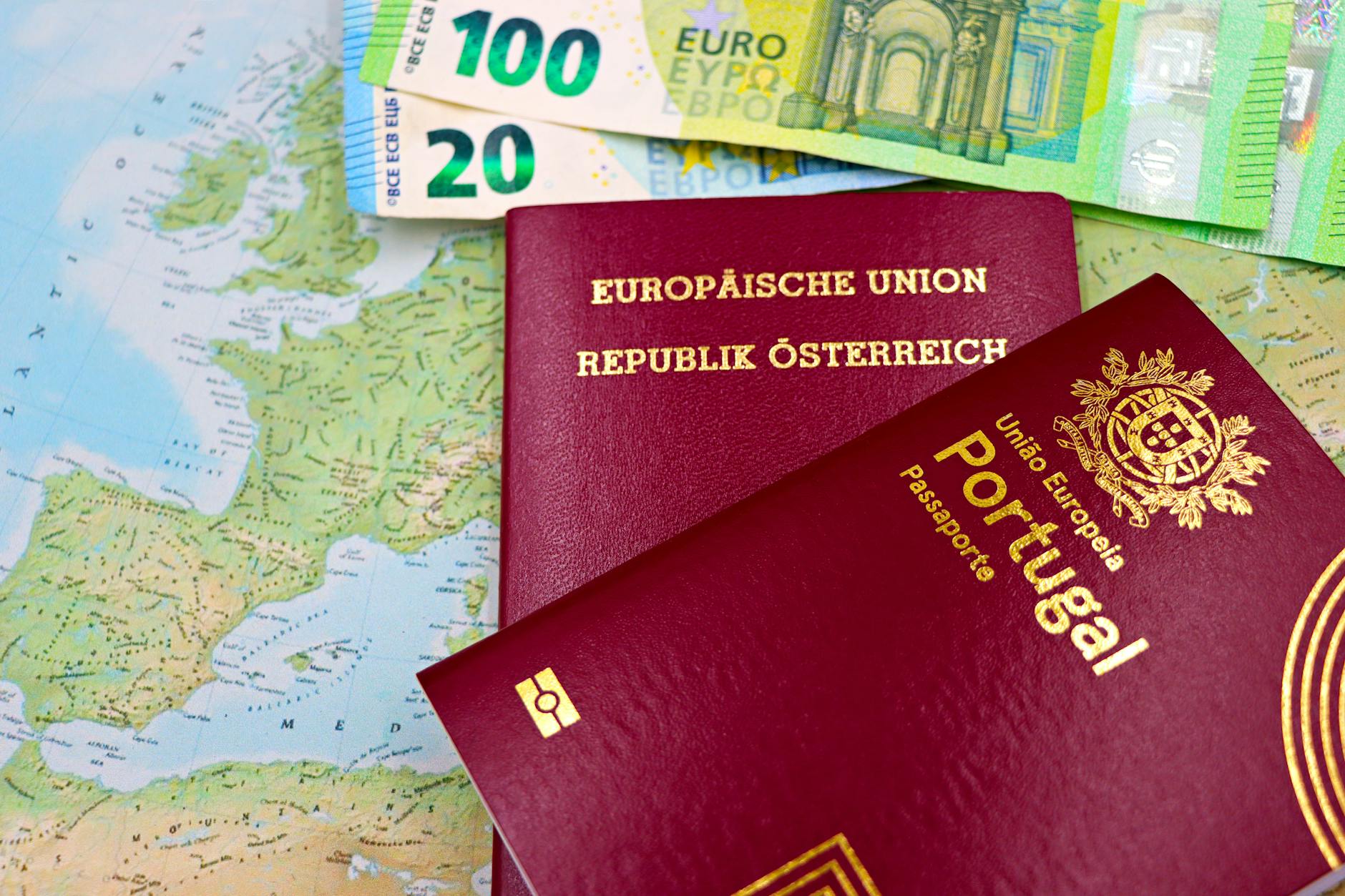
The warning also comes before the expected introduction of the European Travel Information and Authorisation System, known as ETIAS. That separate scheme will require eligible visa-exempt travellers, including British citizens, to obtain travel authorisation before visiting participating European countries once it becomes operational. ETIAS is distinct from EES, but together the two systems represent a broader shift toward digital pre-travel and border management for non-EU visitors.
Travel companies and passenger groups are likely to monitor whether delays improve as more travellers complete their first EES registration. In theory, processing should become more efficient once passenger data is already held and border staff are more familiar with the workflow. In practice, performance will depend on airport infrastructure, staffing, passenger volumes and how well national authorities manage peak periods.
The European Commission has argued that the new border system is necessary to modernise external border management and improve security. It has also emphasised that processing times should stabilise once implementation matures. Airlines and airport operators, meanwhile, are focused on the passenger experience: they are warning that even a well-intentioned security system can create serious travel disruption if queues become too long during the busiest months of the year.
For now, the operational message to British travellers is clear. Those flying from EU or Schengen-area airports should check airline and airport guidance before travelling, arrive earlier than they may have done previously, and assume that passport control may take longer than expected. The risk is highest at peak travel times and in destinations with heavy UK passenger flows, but the advice is broad enough to apply across European airports participating in the new system.
The three-hour guidance is also a reminder that online check-in does not remove the need to clear physical border controls. A passenger may have a boarding pass on a phone and still be delayed at passport control before reaching the gate. For travellers checking bags, the timing of baggage-drop desks can also matter: arriving early is useful only if passengers understand when the airline begins accepting luggage and how long it may take to move from bag drop to border control and security.
Airports will now face scrutiny over whether signage, staffing and passenger communication are adequate. Clear instructions at kiosks and passport-control areas can reduce confusion, while extra staff can help passengers move through the process more efficiently. Airlines also have a role in setting realistic expectations, particularly for passengers who may not follow EU border-policy developments closely but will feel the effects at the airport.
The situation remains fluid because delays can vary sharply from one airport to another. A terminal operating smoothly in the morning may face queues later in the day if several UK-bound flights depart at once. Weather disruption, air-traffic restrictions or staffing shortages can compound border delays by compressing passenger flows into narrower windows. That is why the current advice is framed as a precaution for the whole journey rather than as a warning about a single airport.
The broader test for the EES rollout will come during the busiest weeks of summer. If queues remain long, airlines may increase pressure on EU and national authorities to apply temporary relief measures or deploy more border staff. If processing improves, the three-hour guidance may become a transitional precaution rather than a lasting feature of UK-Europe travel. Until then, passengers are being told to treat border control as a major part of the journey, not a brief formality at the end of a holiday.
Leave a Reply