PRISTINA — Kosovo is preparing to return to the polls on Sunday for its third parliamentary election in 18 months, as a prolonged political deadlock over the presidency and other state institutions deepens frustration among voters and raises fresh questions about the country’s ability to form stable governing majorities.
The early election, set for June 7, follows the failure of Kosovo’s main parties to agree on a successor to former President Vjosa Osmani, whose mandate expired earlier this year. Although the presidency is largely ceremonial, the office carries constitutional importance and must be filled through the Assembly. In the current political environment, that requirement has become a central point of institutional paralysis.
Kosovo’s 120-member Assembly elects the president, but the process requires broad support that neither Prime Minister Albin Kurti’s Vetevendosje movement nor opposition parties have been able to assemble. Kurti’s party won a commanding result in the December 2025 election, but it still fell short of the supermajority needed to settle the presidency without cooperation from rivals. The result was another round of confrontation, procedural stalemate and eventual dissolution, sending voters back to polling stations only months after the previous ballot.
The contest is the latest stage in a broader political crisis that has left Kosovo with limited institutional momentum for much of the past year. Reuters reported that the country has had no fully functioning government for much of that period as divided parliaments failed first to elect a speaker and then a president. The repeated breakdowns have made the June vote less a routine electoral contest than a referendum on whether Kosovo’s political class can move beyond tactical obstruction and form durable institutions.
Kurti has framed the snap election as an opportunity for voters to reaffirm their choice and overcome what he has described as an artificial crisis created by opposition parties. His opponents, including the Democratic Party of Kosovo and the Democratic League of Kosovo, have accused him of attempting to dominate state institutions and refusing to seek a consensual candidate for the presidency. The competing narratives have hardened during the campaign, leaving little indication that the underlying dispute has been resolved before election day.
Vetevendosje remains the strongest party in Kosovo politics. In the December 2025 election, it won just over half of the vote, but the parliamentary arithmetic still left it dependent on broader support for constitutional decisions. Analysts cited by Reuters have said Kurti’s party may again finish first, while questioning whether it can win enough seats to elect a president and parliamentary leadership without compromise. That uncertainty is central to the stakes of Sunday’s vote.
The Central Election Commission has said more than 900 candidates from 17 parties and three coalitions are competing for the 120 Assembly seats. The electorate includes a large diaspora, with about 2.1 million registered voters, a figure that exceeds Kosovo’s resident population because many citizens live abroad, particularly in Western Europe. The diaspora has often been politically significant and has tended to support Kurti’s movement, though its turnout and distribution could again affect margins.
The election is being held under international observation. The Parliamentary Assembly of the Council of Europe said a seven-member delegation, led by Iulian Bulai of Romania, would travel to Kosovo from June 5 to June 8 to observe the early Assembly elections. The presence of observers underscores both the importance of the vote and Kosovo’s interest in maintaining international confidence in the integrity of its democratic procedures.
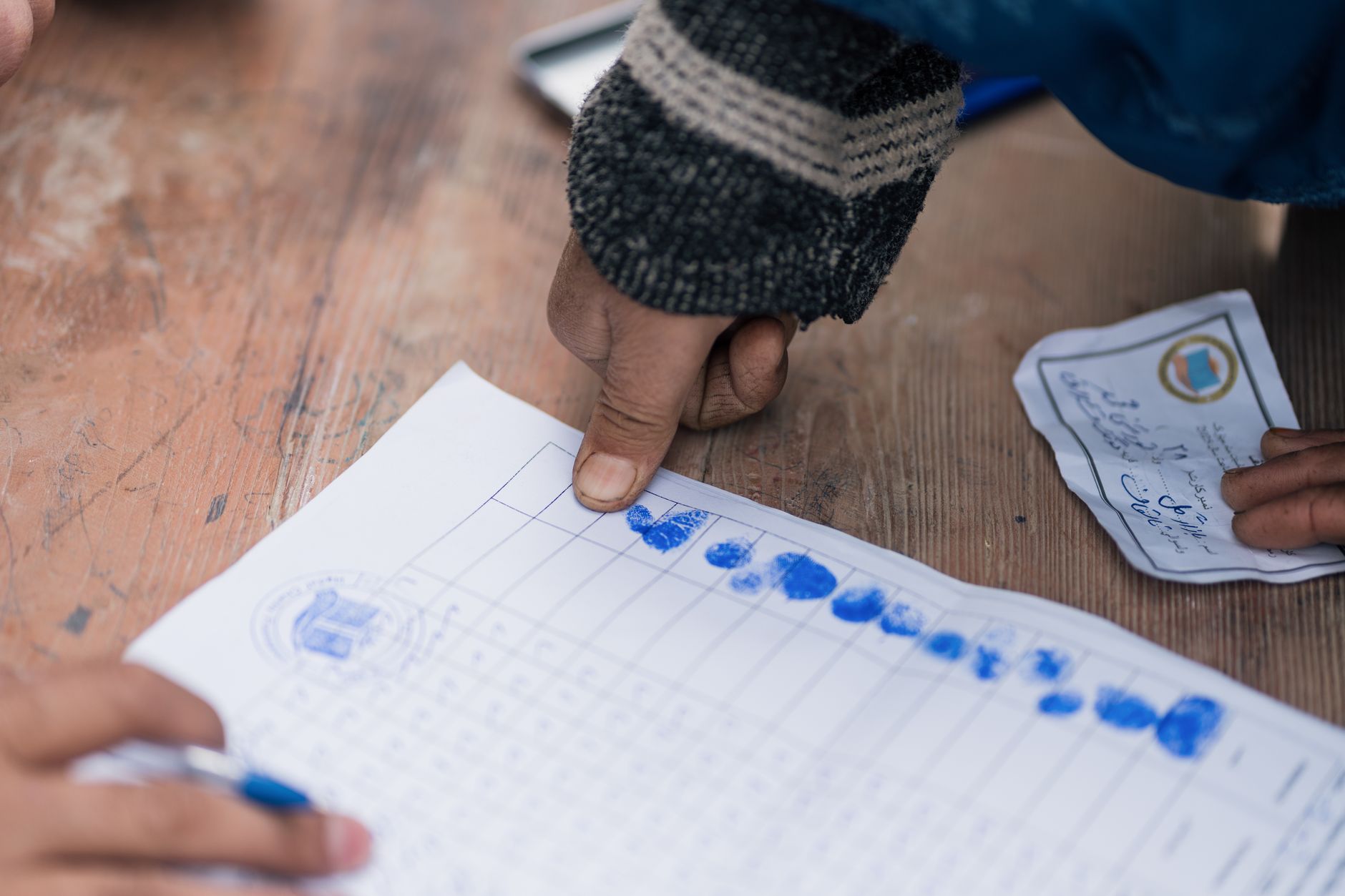
For many voters, however, the issue is no longer only the conduct of the ballot, but whether another election can produce a political outcome different from the last two. Public fatigue has become visible in Pristina and across the country, where repeated campaigns have done little to settle disputes among party leaders. The latest election comes as citizens face economic pressure, uncertainty over reforms and delays in decisions tied to international support.
The institutional crisis has also intersected with Kosovo’s foreign-policy ambitions. Kosovo has long sought closer integration with the European Union and NATO, but progress depends in part on functioning institutions, reform implementation and political predictability. The EU has repeatedly urged Kosovo’s leaders to overcome internal divisions and advance reforms, while broader accession prospects remain complicated by the fact that five EU member states do not recognize Kosovo’s independence.
The unresolved relationship with Serbia remains another background factor. Kosovo declared independence from Serbia in 2008, but Belgrade does not recognize it, and EU-mediated normalization talks have produced repeated episodes of progress and breakdown. Kurti’s government has taken a firm line in negotiations with Serbia, a stance that has appealed to many supporters but has also generated tension with international partners at different points. A prolonged domestic deadlock could limit Kosovo’s ability to engage consistently in diplomacy at a time when Western Balkan enlargement is again high on the European agenda.
The presidency dispute has sharpened personal and political divides. Osmani, once aligned with Kurti, has moved into opposition politics through the Democratic League of Kosovo, adding a new layer to the campaign. Her role has made the election not only a contest over parliamentary strength but also a measure of how voters respond to a split among figures who had previously cooperated against older political establishments.
Opposition parties are seeking to capitalize on dissatisfaction with repeated elections and the perception that Kurti has struggled to translate electoral dominance into institutional stability. The Democratic Party of Kosovo and the Democratic League of Kosovo have both argued that the prime minister bears responsibility for failing to build consensus. The Alliance for the Future of Kosovo and minority parties may also play a role in post-election negotiations, depending on the distribution of seats.
Kurti’s supporters argue that Vetevendosje’s mandate has been repeatedly obstructed by rivals unwilling to accept the party’s electoral strength. They point to the party’s strong December result and its reformist platform as evidence that voters have already expressed a preference for continued Kurti leadership. The prime minister has emphasized anti-corruption themes, social policy and sovereignty issues, while urging voters to deliver a result strong enough to end the bargaining deadlock.
The mathematical challenge remains steep. In Kosovo’s Assembly, a simple governing majority is not enough for all institutional decisions. Electing a president requires a higher threshold, and procedural rules can make attendance and quorum as important as votes cast. Opposition boycotts or refusal to participate can therefore prevent the completion of the process even if the largest party controls a working majority for ordinary legislation.
That dynamic explains why analysts have warned that the June 7 election may not automatically resolve the crisis. If Vetevendosje again wins the largest share but falls short of the numbers needed to impose its preferred institutional choices, the next Assembly could face the same choice as the last one: negotiate a compromise or risk renewed paralysis. If opposition parties improve their position but remain divided, the system could still struggle to produce a stable arrangement.
The cost of prolonged uncertainty is not only political. Kosovo’s economic agenda, including budgetary planning, infrastructure decisions and reform measures tied to European support, depends on an Assembly capable of passing legislation and a government able to operate with authority. Delays have already affected public administration and investor confidence. International funding and reform-linked instruments can also be slowed when institutions are not fully functional.
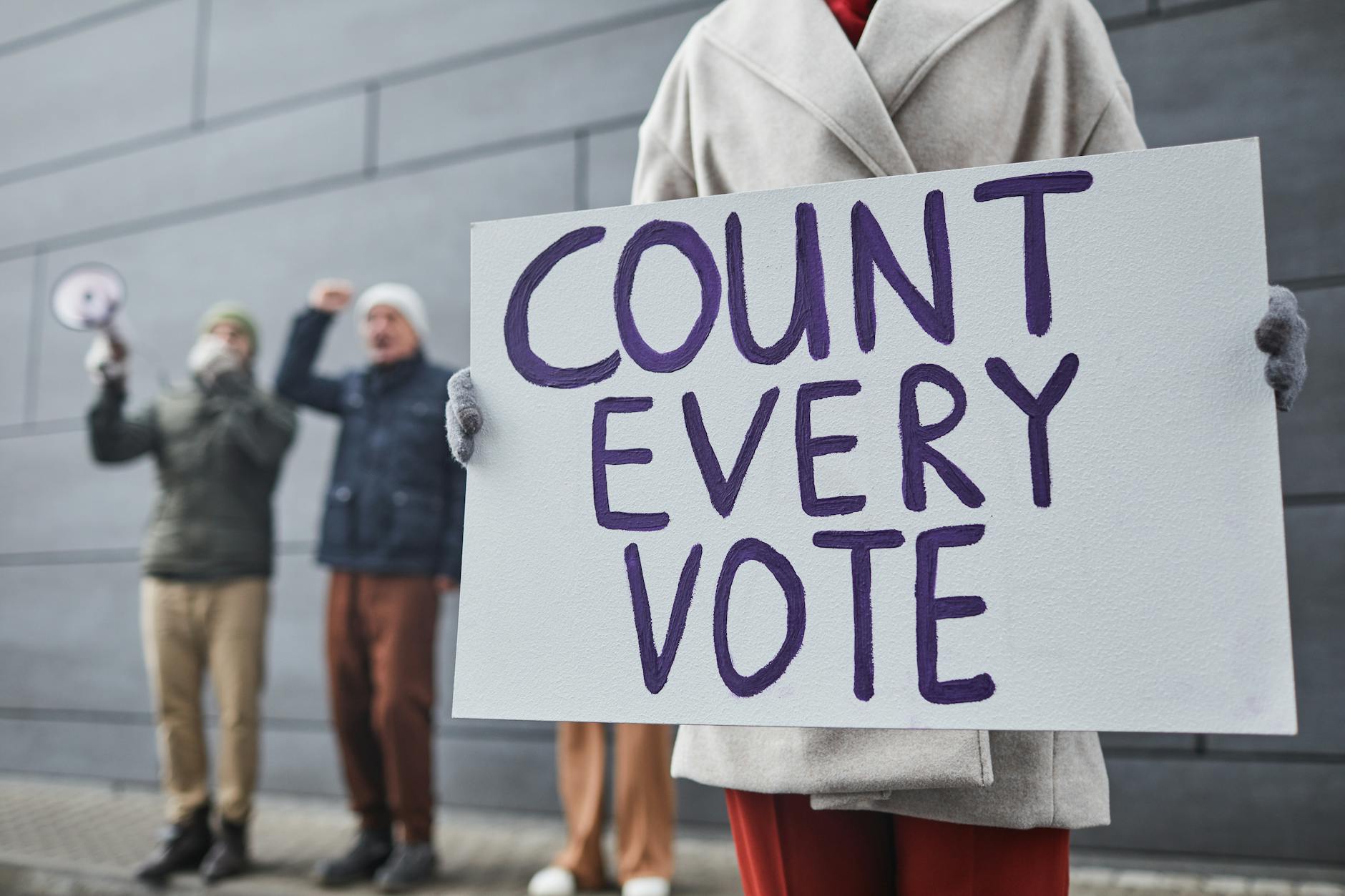
The campaign has unfolded in a tense but familiar political environment. Rallies in Pristina and other cities have focused heavily on blame for the crisis rather than detailed coalition scenarios. Party leaders have appealed to loyal constituencies while leaving open the question of what compromises, if any, they would accept after the vote. That omission has reinforced concerns that another election could become another pause in the deadlock rather than its solution.
The role of minority communities remains structurally important. Kosovo’s Assembly reserves seats for ethnic minorities, including Serb, Turkish, Bosniak, Roma, Ashkali, Egyptian and Gorani representatives. These seats can matter in close parliamentary calculations, particularly when larger Albanian parties are divided. The Belgrade-backed Serb List has historically been a major actor among Kosovo Serb representatives, though tensions between Pristina and Belgrade often affect minority participation and political alignment.
International partners will be watching both turnout and the post-election response. A clean election process would preserve Kosovo’s democratic credibility, but the more decisive test may come in the days and weeks after results are known. If parties move quickly to constitute the Assembly, elect leadership and agree on a path for the presidency, Kosovo could begin restoring institutional normality. If they instead repeat the cycle of accusations, boycotts and failed votes, public frustration is likely to deepen.
The June election also arrives at a sensitive point for the wider Western Balkans. The European Union has renewed attention to enlargement, but candidate and potential candidate countries face demands for rule-of-law reforms, administrative capacity and political stability. Kosovo’s domestic gridlock gives critics an argument that the country is not yet able to sustain the institutional discipline required for accession progress. Supporters of enlargement, meanwhile, argue that leaving Kosovo in limbo only reinforces instability.
For voters, the immediate question is more practical: whether Sunday’s ballot can produce a parliament capable of working. Many Kosovars have now voted repeatedly without seeing a durable political settlement. The risk for party leaders is that democratic participation becomes associated with institutional repetition rather than change. Even a strong turnout may not overcome that perception if post-election negotiations again fail.
The final campaign hours have therefore carried a dual message. Parties are asking voters for a mandate, but voters are effectively asking parties for an end to the cycle. The election can redistribute seats, but it cannot by itself supply the political will required to elect a president, maintain a parliamentary quorum and govern through compromise. That distinction is why the June 7 vote is being watched less for the identity of the likely first-place party than for the configuration it leaves behind.
If Vetevendosje secures a larger mandate, Kurti may argue that opponents must accept its institutional nominees. If opposition parties reduce his margin, they may claim voters have rejected one-party dominance. If the result resembles December’s outcome, Kosovo could face another round of negotiations under the same constitutional constraints that produced the current crisis. Each scenario points to the same underlying requirement: a political settlement inside the Assembly.
As Kosovo enters election day, the country’s institutions remain caught between electoral legitimacy and constitutional arithmetic. The vote will show how citizens assess responsibility for the deadlock, but the decisive moment will come after ballots are counted. Unless the next parliament can agree on leadership and the presidency, Kosovo’s third parliamentary election in 18 months may become another marker of instability rather than the turning point voters and international partners are seeking.
Leave a Reply