On Sunday, June 7, 2026, Ukrainian President Volodymyr Zelenskyy will engage in a series of strategic talks in London with three of Europe’s most influential leaders — French President Emmanuel Macron, British Prime Minister Keir Starmer and German Chancellor Friedrich Merz — in a concerted effort to reinforce Western support for Ukraine’s defense and diplomatic efforts amidst an ongoing war with Russia. The meeting, announced by the Élysée Palace, is intended to strengthen coordination on Ukraine policy among key European capitals and to address multifaceted challenges associated with the conflict’s trajectory, international support mechanisms and prospects for peace.
The summit is scheduled to begin at Downing Street, where Macron, Starmer and Merz will first meet one another before President Zelenskyy joins the discussions later in the evening. Officials have underscored the urgency of this gathering as Russia continues its full-scale invasion of Ukraine, now in its fifth year, and as Western capitals seek ways to sustain unified policy frameworks that can adapt to evolving geopolitical pressures and operational challenges on the ground.
According to the official French statement, leaders will “continue their close coordination on our shared agenda of continuing support for Ukraine and increasing pressure on Russia’s war effort.” The Élysée emphasised that Russia, described in its communiqué as confronting military, economic and strategic difficulties, “persists, unsuccessfully, on the front lines in a deadly war.” European leaders are expected to reaffirm commitments to military aid, economic resilience and sanctions enforcement during the talks.
France, the United Kingdom and Germany — collectively significant contributors to Ukraine’s defense efforts — have each faced domestic and international pressures regarding the pace and scale of military assistance. This meeting in London offers an opportunity to synchronize national policies and communicate a cohesive strategy that balances short-term battlefield needs with long-term goals for Ukraine’s security architecture and political stability. European allies have also stressed the need to work in close concert with partners outside Europe, including the United States and NATO members, even as some attention in Washington is increasingly focused on other geopolitical issues.

President Zelenskyy’s visit follows his publication of an open letter calling for a direct negotiation with Russian President Vladimir Putin to achieve a ceasefire and a durable peace. European leaders have publicly welcomed Ukraine’s pursuit of peace talks, emphasising that a sustainable end to the conflict requires negotiation and mutual agreement on terms that respect Ukraine’s sovereignty and territorial integrity. France’s Macron described Ukraine’s call for talks as a “good initiative” while German Chancellor Merz reiterated Europe’s openness to dialogue, noting that what remains lacking is Russia’s willingness to engage constructively.
In addition to military coordination and peace discussion, the London meeting is expected to address economic support for Ukraine. Western governments have extended comprehensive aid packages encompassing budgetary support, humanitarian assistance and reconstruction planning. Sustaining these commitments has been a challenge for several European states, particularly as inflationary pressures, energy market disruptions and fiscal constraints weigh on national budgets. Aligning these economic support mechanisms is likely to be a core component of the discussions with Zelenskyy, especially in light of recent assessments indicating that sustained Western backing is pivotal to Ukraine’s institutional resilience and long-term economic recovery.
Security arrangements and future defense cooperation represent another key dimension of the upcoming talks. There is broad consensus among European leaders that the conflict’s military dimensions require a calibrated approach to armaments, intelligence sharing, and long-term security guarantees for Ukraine. While NATO allies have worked collectively to provide weaponry, training and strategic support, European leaders have sought to expand coordination with non-NATO states as well, exploring avenues for future security pacts that could serve as deterrence measures against further aggression. These security discussions in London will likely explore mechanisms for more structured, long-term engagement that extends beyond immediate battlefield requirements.
The summit also reflects growing discourse within Europe regarding the broader geopolitical implications of the war. For many EU states and partners, the conflict has not only direct security consequences but also implications for energy policy, migration flows and economic integration with global markets. As a result, the London meeting carries a strategic significance that extends beyond bilateral support for Kyiv, touching on shared objectives for European stability, deterrence capacity and collective defense frameworks. Aligning positions on these broader issues helps to present a united front at future international forums and negotiations.
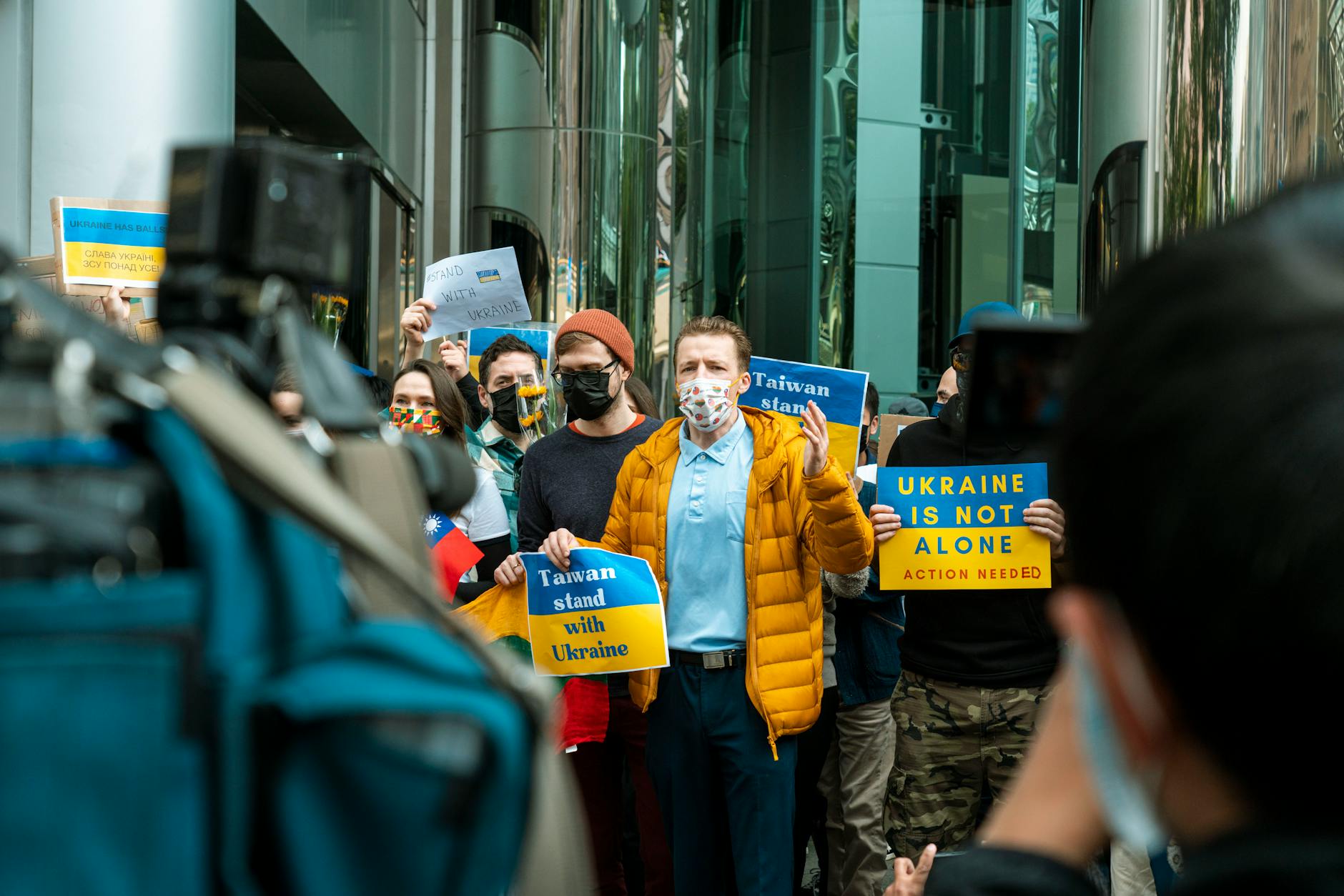
Despite the optimism surrounding coordinated support, divergences in approach have occasionally surfaced among Western allies, particularly over timelines for weapon deliveries, the nature of security guarantees and the integration of broader diplomatic strategies. The London meeting, therefore, will serve as a critical forum for addressing these differences and forging a common path forward. Leaders are anticipated to issue joint communiqués following the talks that articulate shared objectives and areas of cooperation, reinforcing their commitment to Ukraine’s sovereignty and territorial integrity.
Meanwhile, on the ground in Ukraine, hostilities have persisted with intermittent escalations along the frontlines. Recent data and analyses suggest that Ukrainian forces have managed to recapture more territory than they have lost in recent weeks, a dynamic that European allies point to as evidence of Ukraine’s resilience and the effectiveness of sustained support. However, the human toll of the conflict, displacement crises, and infrastructure damage continue to challenge Ukraine’s recovery and reconstruction efforts. These realities underscore the sense of urgency conveyed by Zelenskyy and European partners around solidifying long-term strategic commitments.
As the leaders convene in London, global attention will be focused on the outcomes of their discussions and the implications for the next phases of diplomatic and military engagement. While the immediate aim is to coordinate support and present a united European front, the broader objective remains clear: to find a pathway to peace that safeguards Ukraine’s territorial integrity and deters further Russian aggression. How these talks influence future negotiations, alliances and support frameworks will be closely watched by policymakers, analysts and stakeholders involved in shaping the future of European and global security.
Leave a Reply