Russia’s ruling United Russia party has placed an injured Ukraine war veteran and a prominent state television war correspondent among the leading figures on its candidate list for the September parliamentary election, a move that reinforces the Kremlin’s effort to fold the war in Ukraine into the centre of domestic political messaging.
The party announced the list on Sunday at its pre-election congress in Moscow, where former president and current party chairman Dmitry Medvedev presented the names expected to front United Russia’s campaign for the State Duma, the lower house of Russia’s parliament. The group includes Foreign Minister Sergei Lavrov, Moscow Mayor Sergei Sobyanin, war correspondent Yevgeny Poddubny, children’s rights commissioner Maria Lvova-Belova and Vladislav Golovin, a wounded veteran of Russia’s campaign in Ukraine.
The inclusion of Golovin is the clearest signal in the slate. At 29, he represents a younger wartime cohort that President Vladimir Putin has repeatedly said should move into politics, public administration and senior civilian life. Golovin became known in Russian state media in 2022 as a naval infantry platoon commander during the battle for the Ukrainian port city of Mariupol, where he was wounded. He later became associated with the Kremlin-backed youth and military-patriotic ecosystem, including Yunarmia, the youth army movement.
United Russia’s decision to promote him at the federal level reflects a broader political strategy rather than a routine personnel choice. Since the full-scale invasion of Ukraine in 2022, Russian officials have increasingly framed service in the war as a credential for public authority. The Kremlin has tied battlefield participation to loyalty, sacrifice and national renewal, presenting veterans as a reservoir for what Putin has described as a new elite. The party list gives that language institutional form before the first State Duma election since the invasion began.
Poddubny’s inclusion adds a second wartime figure to the top ranks of the campaign. A long-standing correspondent for Russian state television, he has reported extensively from conflict zones and was wounded in 2024 during fighting in Russia’s Kursk region. Russian state and pro-government media have treated him as a symbol of wartime journalism and resilience. By placing him near the front of the electoral slate, United Russia is drawing together military service, state media visibility and patriotic messaging in a single campaign image.
The remainder of the leading group is built around highly recognisable establishment figures. Lavrov, Russia’s long-serving foreign minister, gives the slate a diplomatic and state-continuity profile at a time when Russia remains under extensive Western sanctions and continues its confrontation with Ukraine and NATO governments. Sobyanin, the mayor of Moscow, brings the administrative weight of the capital and one of Russia’s most prominent domestic political offices. Lvova-Belova, Russia’s commissioner for children’s rights, has been a visible official in Moscow’s wartime narrative concerning children from Ukrainian territories.
Medvedev presented the slate as a team of figures known for their public work and patriotic stance. That framing is central to United Russia’s campaign posture. The party is not seeking to distance itself from the war or soften its identification with the Kremlin’s military policy. Instead, it is making support for the war, service linked to it and loyalty to the president part of the visible architecture of its campaign.
The State Duma election is scheduled for September, with voting expected over several days around the official polling date. The chamber has 450 seats, divided between party-list seats and single-member constituencies. United Russia has dominated the Duma for years and currently holds a commanding majority. The September vote is therefore widely expected to preserve the ruling party’s control rather than produce a competitive transfer of power.
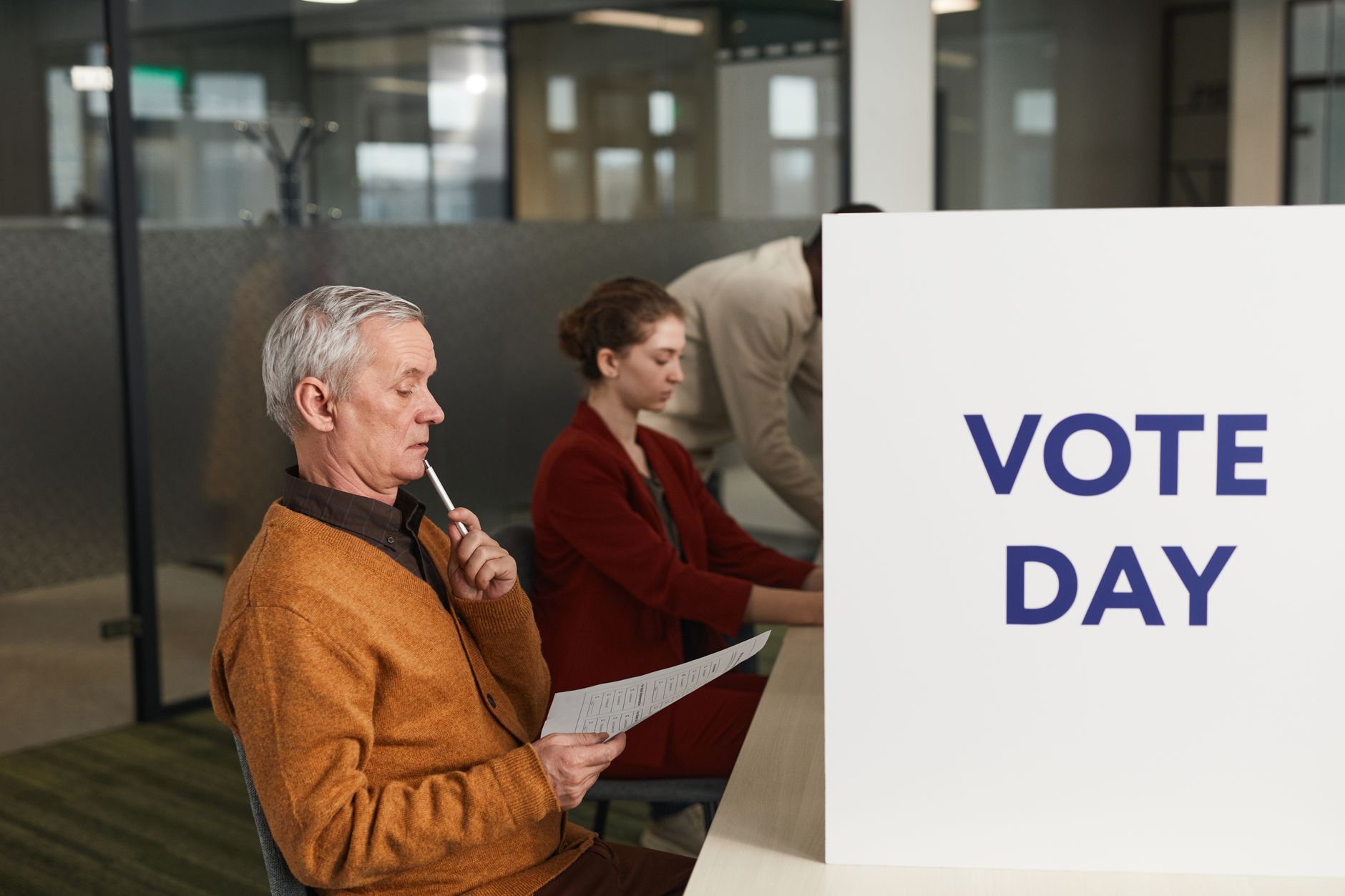
That does not make the candidate list irrelevant. In Russia’s political system, the federal list used by the ruling party functions as a public statement of priorities and political hierarchy. Many prominent names placed on party lists in past elections have not ultimately taken Duma seats, instead helping to mobilise support, lend legitimacy to the campaign or signal the Kremlin’s preferred direction. The presence of senior officials and wartime personalities suggests the 2026 campaign will emphasise continuity, mobilisation and a wartime definition of national service.
United Russia has won large majorities in national elections it has contested, benefiting from state backing, administrative resources, weak opposition access and a political environment shaped heavily around Putin’s authority. Independent opposition forces have been restricted, many critics have been jailed or pushed into exile, and parliamentary opposition parties that retain seats generally operate inside the limits of the Kremlin-approved system. On the war in Ukraine, the main parliamentary parties have broadly supported the Kremlin’s position.
The party’s challenge is less about losing power than about maintaining turnout, cohesion and political energy under difficult wartime conditions. Russia’s economy has been reshaped by defence spending, sanctions pressure, labour constraints and recurring disruption from Ukrainian long-range strikes. Ukrainian drone attacks have targeted energy infrastructure and military-linked facilities inside Russia, and officials have acknowledged strains including fuel shortages in some areas. Against that backdrop, United Russia’s campaign is expected to cast itself as the political vehicle of stability under pressure.
Putin’s presence at the party congress strengthened that message. Although he is not formally the leader of United Russia, the party’s electoral strength is closely tied to his personal authority. Putin won a new presidential term in 2024, extending his rule until at least 2030, and his public support remains the central pillar of Russia’s governing system. United Russia’s electoral brand has long depended on presenting itself as the institutional arm of Putin’s agenda, especially in the Duma, where it supplies the votes needed for legislation, budgets and constitutional or security-related measures.
The promotion of wartime figures also helps the Kremlin address a domestic political question created by the long war: how to absorb veterans, commanders, propagandists and support networks into the post-front-line order. By encouraging selected veterans to enter politics, the Kremlin can reward loyalty, bind military constituencies to the state and reinforce a narrative that the war is producing a new generation of national leaders. At the same time, the process appears tightly managed, with the most visible figures moving through ruling-party structures rather than independent organisations.
Golovin’s profile fits that model. His public biography is built around frontline service, injury, youth and state-backed patriotic education. For United Russia, he offers a campaign image that is distinct from the older bureaucratic elite without challenging the existing hierarchy. His candidacy allows the party to signal renewal while remaining fully aligned with the Kremlin’s political line. In that sense, his elevation is both generational and controlled.
Poddubny’s role serves a different but complementary purpose. Russian state media have been central to sustaining public support for the war and shaping official narratives about Ukraine, the West and Russia’s security. A war correspondent on the party list highlights the relationship between wartime communication and political legitimacy. It also gives the campaign a figure already familiar to audiences who consume state television coverage of the conflict.
The inclusion of Lavrov and Sobyanin balances those wartime figures with established authority. Lavrov represents Russia’s external confrontation and diplomatic messaging, while Sobyanin represents domestic administration, urban management and the political weight of Moscow. Their presence suggests United Russia wants the top of the list to combine symbols of war, governance, diplomacy and social policy rather than rely solely on one theme.
Lvova-Belova’s place in the group adds another layer of wartime symbolism. As children’s rights commissioner, she has been one of the Russian officials most closely associated with Moscow’s handling of children from Ukrainian territories. Her inclusion underscores how the party list draws from officials linked to the war’s political, humanitarian and ideological dimensions, not only from military or security structures.
The Duma elected in September will be important for Russia’s next phase of wartime governance. The chamber is expected to approve budgets, social spending measures, security legislation and policy changes tied to military personnel, veterans and occupied Ukrainian territories claimed by Moscow. United Russia’s majority has allowed the Kremlin to move legislation rapidly and with limited visible dissent. A renewed majority would preserve that legislative environment through the next five-year parliamentary term.
Opposition prospects remain constrained. Russia’s Communist Party, Liberal Democratic Party, A Just Russia and New People are expected to compete for parliamentary representation, but none is positioned to challenge United Russia’s dominance. Liberal and anti-war opposition movements face legal, organisational and media barriers inside Russia, while many prominent anti-Kremlin figures operate from exile or remain imprisoned. That structure means the election is likely to function more as a managed affirmation of the governing system than as a conventional contest over national direction.
The timing also matters. The election comes after more than four years of full-scale war and as Russia continues to present the conflict as an existential confrontation with Ukraine and the West. By placing a wounded veteran in the leading campaign group, United Russia is using the election to show that the war is not separate from domestic politics but part of the ruling party’s claim to legitimacy. The campaign is likely to connect military sacrifice with social benefits, patriotic education, regional development and loyalty to the presidency.
For European governments watching Russia’s internal politics, the list offers another indication that Moscow is preparing for prolonged confrontation rather than political de-escalation. The ruling party is not elevating figures associated with compromise or post-war transition. It is promoting officials and personalities linked to the existing wartime order. That does not determine battlefield decisions, but it shows how the Kremlin is organising domestic political institutions around the assumptions of continued conflict, sanctions pressure and ideological mobilisation.
The September vote will also test how effectively United Russia can translate Putin’s personal popularity into party support. Russian polling has often shown Putin rated more favourably than the ruling party itself. United Russia’s candidate strategy appears designed to narrow that gap by tying its brand more tightly to the president’s war narrative and by placing recognisable loyalist figures at the forefront. Whether those figures ultimately sit in parliament is secondary to the message their nomination sends before voting begins.
For now, the political signal is clear: United Russia is entering the 2026 Duma campaign with a slate that links the old governing establishment to the new wartime symbolism cultivated since the invasion of Ukraine. Lavrov and Sobyanin provide continuity; Poddubny and Golovin provide battlefield and media resonance; Lvova-Belova reflects the war’s social and ideological dimensions. Together, the list frames the ruling party as the vehicle through which Russia’s wartime state seeks electoral confirmation and institutional renewal.
Leave a Reply