The European Union has delayed the full application of new digital documentation requirements for seafood arriving from the United States after paperwork problems left major cargoes unable to enter a Dutch port, raising concerns that legally harvested fish could be effectively excluded from the European market.
US exporters of wild-caught seafood will be permitted to continue using the existing US Legal Harvest certificate until November 30, 2026, according to updated guidance published by the US National Oceanic and Atmospheric Administration. The previous transitional arrangement had been due to expire on July 10.
The extension provides nearly five additional months for regulators and businesses to resolve differences between American catch-documentation practices and the European Union’s CATCH platform, which became compulsory for EU seafood importers on January 10.
The decision does not suspend CATCH or remove the obligation on European importers to submit documentation digitally. Instead, it temporarily allows information from the established US certificate to continue supporting import declarations inside the EU system. That distinction is important because the European Commission remains committed to digital traceability as a central part of its campaign against illegal, unreported and unregulated fishing.
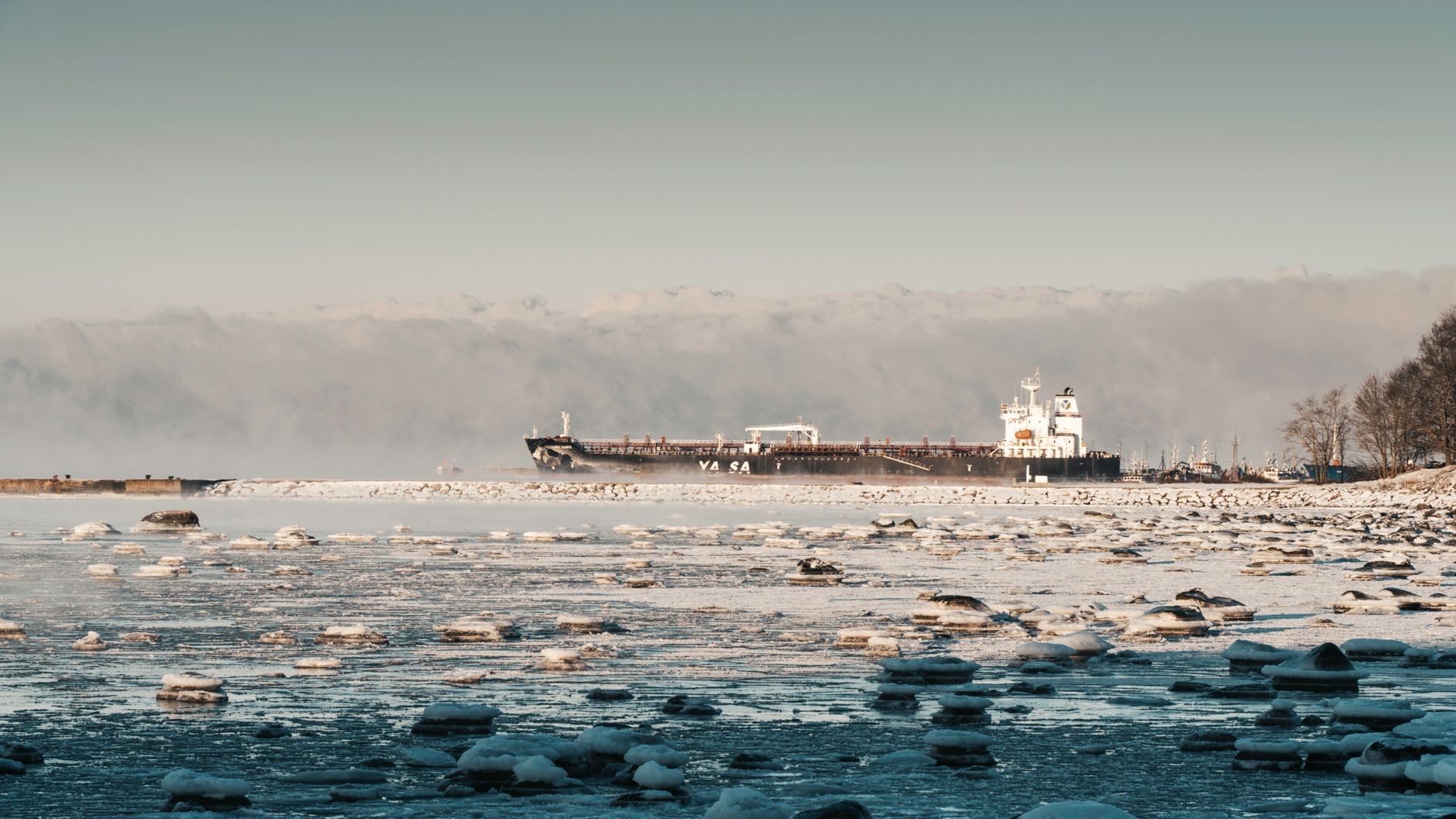
The immediate trigger for the additional flexibility was a disruption involving shipments of Alaskan seafood bound for the Netherlands. According to the Financial Times, a vessel carrying pollock spent several days off the Dutch coast after the required traceability information could not be uploaded successfully. US intervention was required before the vessel was permitted to dock at IJmuiden, one of western Europe’s most important seafood-handling centres.
A second vessel was reportedly held in port with its cargo for several days. Together, the vessels were carrying approximately 16,000 tonnes of seafood, principally pollock and flatfish. The incidents occurred in May and were subsequently raised with the European Commission by the US ambassador to the EU.
The scale of the cargoes illustrated the commercial consequences of a documentation failure. Frozen seafood can remain usable during a delay, but vessels, containers, cold-storage facilities and processing lines operate according to tightly coordinated schedules. Even short interruptions can generate demurrage charges, storage costs, contractual disputes and production delays throughout the European supply chain.
Pollock is particularly significant for European food manufacturers. The mild white fish is widely used in frozen fillets, breaded products, fish fingers, surimi and prepared meals. It also serves as an alternative to cod in many mass-market products. Large disruptions can therefore affect processors and retailers well beyond specialist seafood businesses.
The EU introduced CATCH as part of a revision of its fisheries-control framework. The platform is designed to replace fragmented, paper-based procedures with a central electronic system through which importers submit catch certificates and related processing or transport documents to national authorities.
The European Commission says the system should help authorities identify duplicate or fraudulent certificates, improve risk analysis, track the quantities covered by individual documents and harmonise controls across member states. It is also intended to prevent products linked to illegal fishing from being diverted through complex international processing and trading chains before entering the EU.
The policy responds to a substantial environmental and economic problem. Illegal, unreported and unregulated fishing damages marine ecosystems, undermines catch limits, distorts competition and deprives coastal communities and governments of income. Estimates cited by organisations working on the issue suggest that illegal or unreported activity may account for roughly one-fifth of global seafood catches.
The EU has operated an import catch-certification regime since 2010 and can restrict seafood from countries it considers insufficiently cooperative in the fight against illegal fishing. Digitalisation is intended to strengthen that framework by making information more consistent and easier to compare across shipments and jurisdictions.
However, the launch of CATCH has revealed a gap between the system’s regulatory design and the way seafood information is collected in major exporting countries. Although EU importers must use the platform, many suppliers outside Europe still generate catch and processing records on paper or through national systems that do not communicate directly with CATCH.
When certificates arrive in paper or incompatible electronic formats, European importers or their representatives must manually reproduce the information in the EU platform. Official guidance requires them to copy details such as species, commodity codes, fishing vessels, trips, processing statements and linked certificates accurately from the original documents.
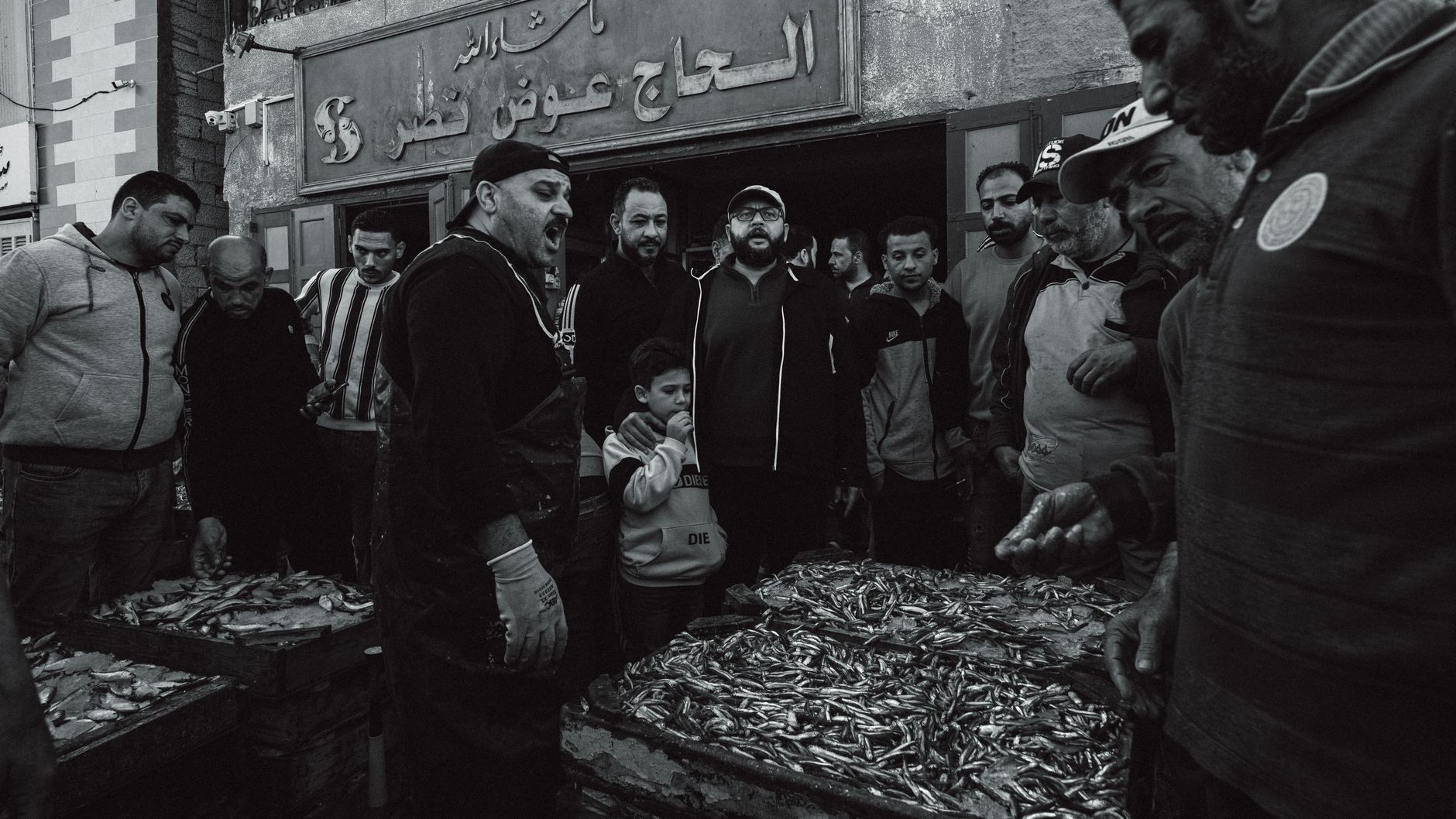
That process can become highly burdensome when one commercial consignment contains fish supplied by hundreds of vessels. The difficulty is especially pronounced in Alaska, where small fishing boats commonly deliver catches to larger tender vessels. The tenders consolidate seafood and transport it rapidly to processing plants, allowing fishing vessels to remain at sea and preserving product quality.
During processing, catches from multiple boats may be combined, separated into different products and sold through several companies before the final destination is known. Fillets, roe, trimmings, fish oil and other products derived from the same deliveries may follow different commercial routes.
EU traceability requirements have sought detailed information about the contribution of individual harvesting vessels to products contained in each shipment. Alaska industry representatives argue that recreating that information at product level after catches have passed through tenders and processing plants may require thousands of records for a single consignment.
The Alaska Seafood Marketing Institute has cited one representative shipment that would have required approximately 3,000 individual product entries linked to specific vessels. Even if records were consolidated at tender level, the organisation said several hundred entries could still be required.
Industry groups have not opposed the principle of traceability. Their central argument is that the reporting architecture should recognise fisheries in which legally documented catches are aggregated before processing. They have proposed alternatives such as certification at tender or processing-facility level, particularly where fisheries are already subject to comprehensive vessel monitoring, landing records and catch accounting.
The initial US transition included temporary flexibility for data fields not included in the traditional Legal Harvest certificate. These covered fishing-gear information, more detailed catch-area data and the signature of a vessel master or fishing-licence holder. Those requirements had been scheduled to become mandatory on July 10.
Under the extension, the three fields may remain optional until November 30. American exporters can also continue requesting the Legal Harvest-US certificate during the transition, while NOAA works with European authorities on longer-term arrangements.
NOAA’s current guidance emphasises that the concession applies to US wild-caught fish products. Aquaculture products are treated differently under the EU’s illegal-fishing rules, while health certification and requirements for EU-approved processing establishments remain separate from the CATCH documentation issue.
The guidance also makes clear that the US government does not operate or control the EU platform. NOAA issues the underlying American documentation confirming legal harvest. The European importer then uses that information to create or support the EU catch certificate within CATCH and submit it to the relevant member-state authority.
This division of responsibility has complicated efforts to resolve border problems. An exporter may possess a valid US certificate, but the consignment can still be delayed if the European importer cannot enter the information in the required format, if the platform rejects a data field or if national authorities interpret the documentation differently.
CATCH encountered broader operational criticism shortly after its January launch. Importers reported server errors, incomplete reference lists, difficulties uploading large certificates and a lack of clear responses when declarations were rejected. Containers were held at ports, including Rotterdam, as companies attempted to correct or resubmit entries.
Several EU governments also raised concerns about the practicality of parts of the revised fisheries-control framework. Industry representatives requested a longer transition period, arguing that the platform had not been sufficiently tested under normal market conditions and that strict enforcement could disrupt seafood supplies.
The Commission introduced temporary flexibilities but continued to defend the need for stronger digital controls. It has argued that a centralised platform will ultimately reduce administrative work, improve cooperation among authorities and create a level playing field between European fishers and imported products.
The US extension demonstrates that the transition remains incomplete six months after the system became mandatory for EU operators. It also suggests that successful digital enforcement depends on more than creating an online form. Systems must accommodate national certification models, complex processing chains, large numbers of vessels and commercially sensitive data while giving authorities enough information to identify suspicious shipments.
Technical interoperability will be one focus before the November deadline. The Commission has allowed non-EU countries to continue issuing paper documentation, but it encourages governments with compatible electronic systems to connect directly with CATCH through web services. Such connections could reduce manual transcription and the errors that arise when data are repeatedly copied between systems.
Operators have also requested clearer technical standards, including common definitions, validation rules, supported message formats, error codes and sample data. Without those elements, similar information may be interpreted or entered differently by exporters, importers and national authorities.
The extension also carries trade implications. The United States exported more than $1 billion in wild seafood to the EU in 2025, according to figures reported by the Financial Times. Important products include pollock, salmon and lobster, with Alaska supplying a large share of American wild-caught production.
European processors depend heavily on imported raw material. The European Commission estimates that imports account for about 70 percent of seafood consumed in the EU and that approximately 80 percent of those imported products fall within the scope of the bloc’s illegal-fishing regulation.
A prolonged interruption to American supplies would not necessarily leave the EU without seafood, but it could force buyers to seek alternative origins, reorganise processing schedules or pay higher prices. It could also disadvantage US producers against competitors whose documentation systems are more easily aligned with CATCH.
Other major seafood suppliers have faced similar transitional questions. The Financial Times reported that Canada, Norway, New Zealand, Iceland, the Faroe Islands and South Africa would also receive flexibility until November 30 under arrangements associated with their established certification systems.
For the Commission, broad exemptions create a policy risk. If repeated extensions allow substantial trade to continue through older documentation models, environmental organisations may question whether the digital regime is delivering stronger enforcement. Conversely, rapid enforcement without reliable technical procedures could block legitimate trade while doing little to target genuinely high-risk fishing activity.
The Commission has indicated that European processors should use the transition to work with American suppliers, particularly in the salmon and lobster sectors, so that future shipments contain the required information. That places pressure on businesses to modify record-keeping practices before a permanent regulatory solution has been agreed.
Companies may need to determine which vessel-level data can be preserved through aggregation and processing, how confidential commercial information will be handled and whether certificates can be generated earlier in the supply chain. They will also need contingency procedures for consignments that are already at sea when documentation problems emerge.
The November 30 deadline will therefore be more than another administrative date. It will indicate whether the EU and its trading partners have found a stable way to connect national certification arrangements with the bloc’s digital import controls.
A workable outcome could preserve the environmental purpose of CATCH while reducing unnecessary manual entry. Possible measures include automated data transfers, recognition of equivalent national controls, risk-based checks, aggregation rules for highly regulated fisheries and clearer procedures for correcting non-fraudulent errors.
Failure to reach an agreement would revive the prospect of cargo delays at the start of December, when importers and food manufacturers are preparing for the winter retail period. It could also turn a technical fisheries issue into a wider transatlantic trade dispute.
For now, the extension keeps US seafood moving and removes the most immediate threat to Alaska exporters. It does not resolve the structural problem exposed by the stranded vessels: a traceability system intended to distinguish legal seafood from illegal catches must be capable of processing legitimate cargoes predictably, at commercial scale and without intervention from senior government officials.
Leave a Reply