Wildfires raging across southwestern France and central Spain forced an estimated 267,000 people to leave their homes, holiday accommodation and threatened communities by Saturday, July 25, as authorities mounted one of Europe’s largest emergency evacuation operations in recent years.
The combined figure included approximately 197,000 people evacuated in France, principally from the Gironde and Landes departments around Bordeaux and the Atlantic coast, and about 70,000 people displaced from towns and villages west of Madrid. Large numbers of evacuees were moved into exhibition centres, schools, sports halls and other temporary shelters as firefighters worked to prevent separate fire fronts from reaching more heavily populated districts.
French Interior Minister Laurent Nuñez described the French operation as probably the country’s largest peacetime evacuation. It unfolded during the height of the summer holiday season, when the Atlantic coast, Arcachon Bay and the Cap Ferret peninsula were crowded with visitors as well as permanent residents.
The most threatening French fire began near the northern side of Arcachon Bay and spread rapidly through the Gironde department. By Saturday, it had burned more than 32,000 hectares in southwestern France, an area roughly three times the size of Paris. Authorities said at least 100 buildings had been destroyed across the affected zone.
The fire approached to within about 30 kilometres of Bordeaux, prompting preventive evacuation orders in western suburbs and surrounding municipalities. Areas covered included Le Haillan, parts of Eysines and Mérignac, where Bordeaux-Mérignac Airport is located, as well as Saint-Médard-en-Jalles, Saint-Jean-d’Illac, Martignas-sur-Jalle and Saint-Aubin-de-Médoc.
The airport remained operational, although some ground transport connections were suspended. Officials advised travellers to avoid Gironde where possible so that emergency vehicles, evacuation buses and firefighting equipment could move through roads already congested by the seasonal holiday exodus.
Police and emergency personnel went door to door in threatened neighbourhoods, while mobile-phone alerts instructed residents to leave immediately. Some coastal residents and tourists had earlier escaped by boat when fires threatened road access around holiday communities near Arcachon Bay.
Bordeaux converted its main exhibition centre into a mass shelter. Thousands of evacuees were provided with beds, food, medical assistance and information while local authorities prepared capacity for as many as 10,000 people at the site. Additional reception centres were established in schools and gymnasiums throughout southwestern France.
Hospitals were placed under an emergency protocol allowing administrators to transfer patients, evacuate vulnerable facilities and reorganise services. The government also authorised local authorities to requisition construction machinery and collective transport where necessary to support defensive work and population movements.
The French government mobilised approximately 1,000 soldiers to assist civilian emergency services near Bordeaux. Around 100 firefighters from Paris were also sent to the southwest, joining an initial reinforcement group already operating with vehicles and specialist equipment.
A major element of the response was the deployment of an Airbus A400M Atlas military transport aircraft adapted to discharge up to 20 tonnes of fire retardant. The aircraft joined a fleet of 18 smaller planes and helicopters engaged in water and retardant drops. Ground crews dug firebreaks, reinforced trenches and treated vegetation in an effort to halt the flames before they reached the Bordeaux metropolitan area.
French Prime Minister Sébastien Lecornu convened repeated government crisis meetings as the emergency expanded. He said the Gironde fire had reached an unprecedented level and had at one stage become a convective fire, generating powerful rising currents and creating some of its own winds.
Such behaviour can make a fire front exceptionally difficult to predict. Strong internal air circulation can accelerate flames, carry embers ahead of the main perimeter and produce sudden changes in direction. Officials said conditions improved overnight into Saturday and that the Gironde fire was no longer behaving as a fully convective system, but they stressed that it remained uncontrolled.
Authorities distributed or prepared to distribute 1.5 million protective masks in areas affected by smoke. The masks were intended for emergency workers and members of the public exposed to high concentrations of ash and airborne particles.
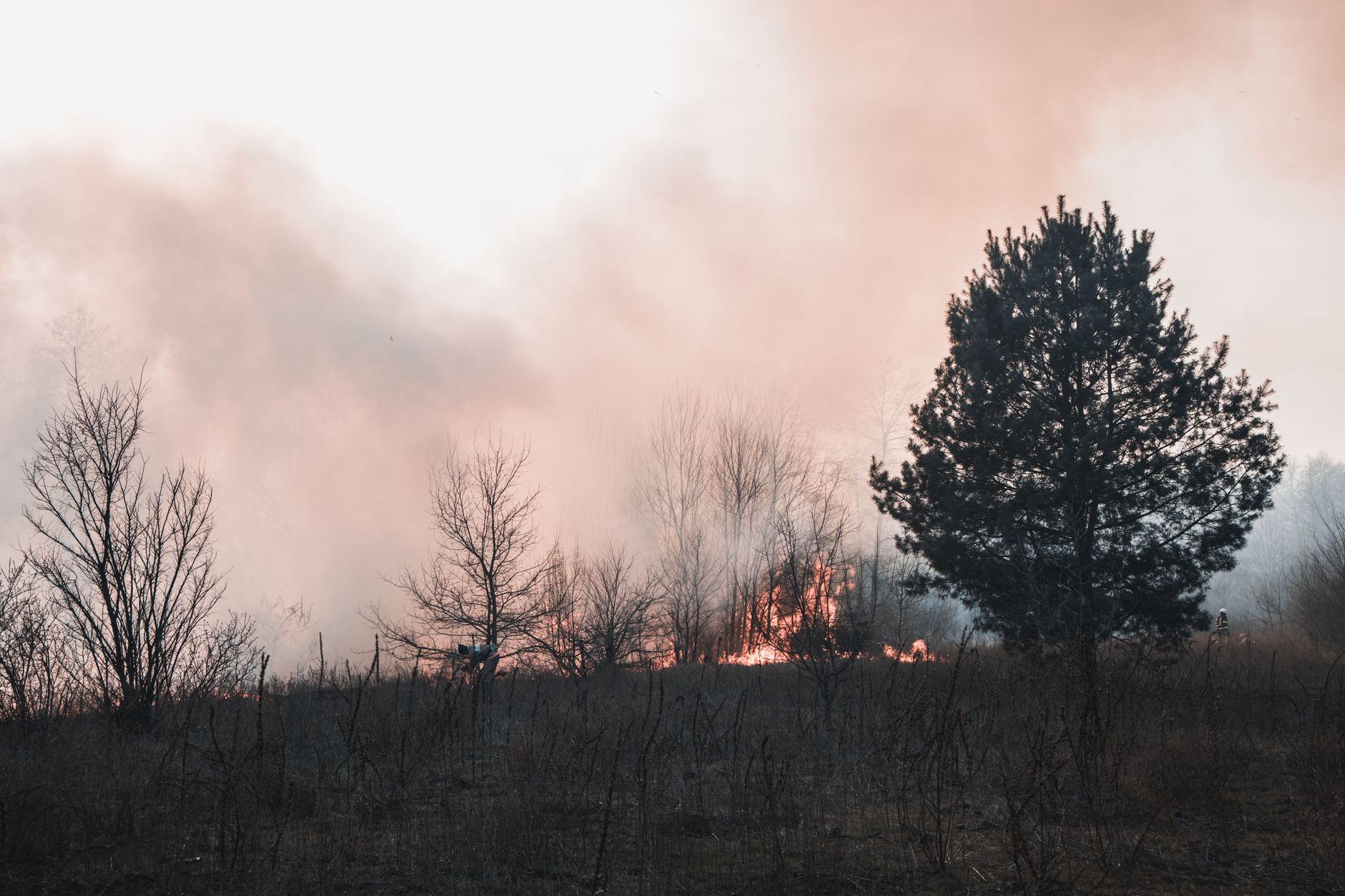
France was confronting about 30 active fires nationwide. Nuñez said nearly 98,000 hectares had burned in the country since the beginning of the year, describing the total as a historic record. A second major fire in the Landes department had burned thousands of hectares and forced evacuations around Biscarrosse, Parentis and Sanguinet. Other serious fires were active farther east, including in the Var department near the Mediterranean coast.
In Spain, the main emergency was concentrated in the Madrid and neighbouring Ávila regions. Fires west of the capital had burned up to 25,000 hectares, according to figures cited by Spanish authorities. Two of three major fire fronts merged, raising concern that the combined blaze could connect with another nearby fire.
Evacuations affected communities including Navalagamella, Pelayos de la Presa, Cenicientos, Valdemorillo and areas around El Tiemblo in Ávila province. Temporary shelters were established in municipal sports facilities and public buildings, where families waited for information about when they could return and whether their homes had survived.
Prime Minister Pedro Sánchez visited an advanced command post in Cenicientos, approximately 80 kilometres west of Madrid, where he met members of Spain’s Military Emergencies Unit and other response teams. He said the immediate priority was to save lives and warned that changing winds could make the coming hours difficult despite lower temperatures.
Spain declared a national emergency in response to the fires, enabling greater coordination between the central government, regional authorities, the armed forces and civil-protection agencies. Firefighting operations involved thousands of emergency personnel and a substantial aerial fleet operating over rugged and heavily forested terrain.
Overnight weather helped slow the advance of some Spanish fire fronts. Officials reported that lower temperatures and reduced wind allowed crews to strengthen containment lines. However, the government’s representative in Madrid, Francisco Martín, warned that erratic gusts continued to create dangerous conditions and could push flames toward new communities with little notice.
Smoke from the fires spread across Madrid, covering parts of the capital in a brown-grey haze and depositing black ash on terraces. Residents were advised to keep windows closed, avoid strenuous outdoor activity and wear masks when exposed to smoke or falling ash.
The health impact extended beyond areas directly threatened by flames. Fine particles produced by wildfires can travel long distances and aggravate respiratory and cardiovascular conditions. Children, older people, pregnant women and those with existing lung or heart disease were considered particularly vulnerable.
Satellite observations from Spain’s AEMET weather agency indicated that smoke plumes from the fires in France and Spain were beginning to connect in the atmosphere. The scale of the smoke illustrated how simultaneous national emergencies were becoming a wider regional environmental and public-health event.
Spain had already recorded approximately 130,000 hectares burned during 2026, compared with an average annual total of around 100,000 hectares over the previous decade, according to Sánchez. The figure reflected a severe fire season that began after repeated periods of extreme heat and prolonged dryness.
Successive heatwaves since May left forests, scrubland and agricultural vegetation exceptionally dry in both countries. Once fires started, low moisture levels allowed them to move rapidly through combustible material. High temperatures also increased physical risks for firefighters and reduced the amount of time crews could operate safely near the most intense fronts.
The immediate causes of the major fires remained subject to investigation. Emergency officials focused first on evacuation, containment and protection of critical infrastructure, while police and specialist investigators began gathering evidence in affected areas.
France and Spain requested assistance through European disaster-response mechanisms as their domestic fleets and crews came under increasing pressure. Italy sent two Canadair water-bombing aircraft to Spain, while additional planes were expected from Greece. Aircraft from the Netherlands and Portugal were also supporting Spanish operations.
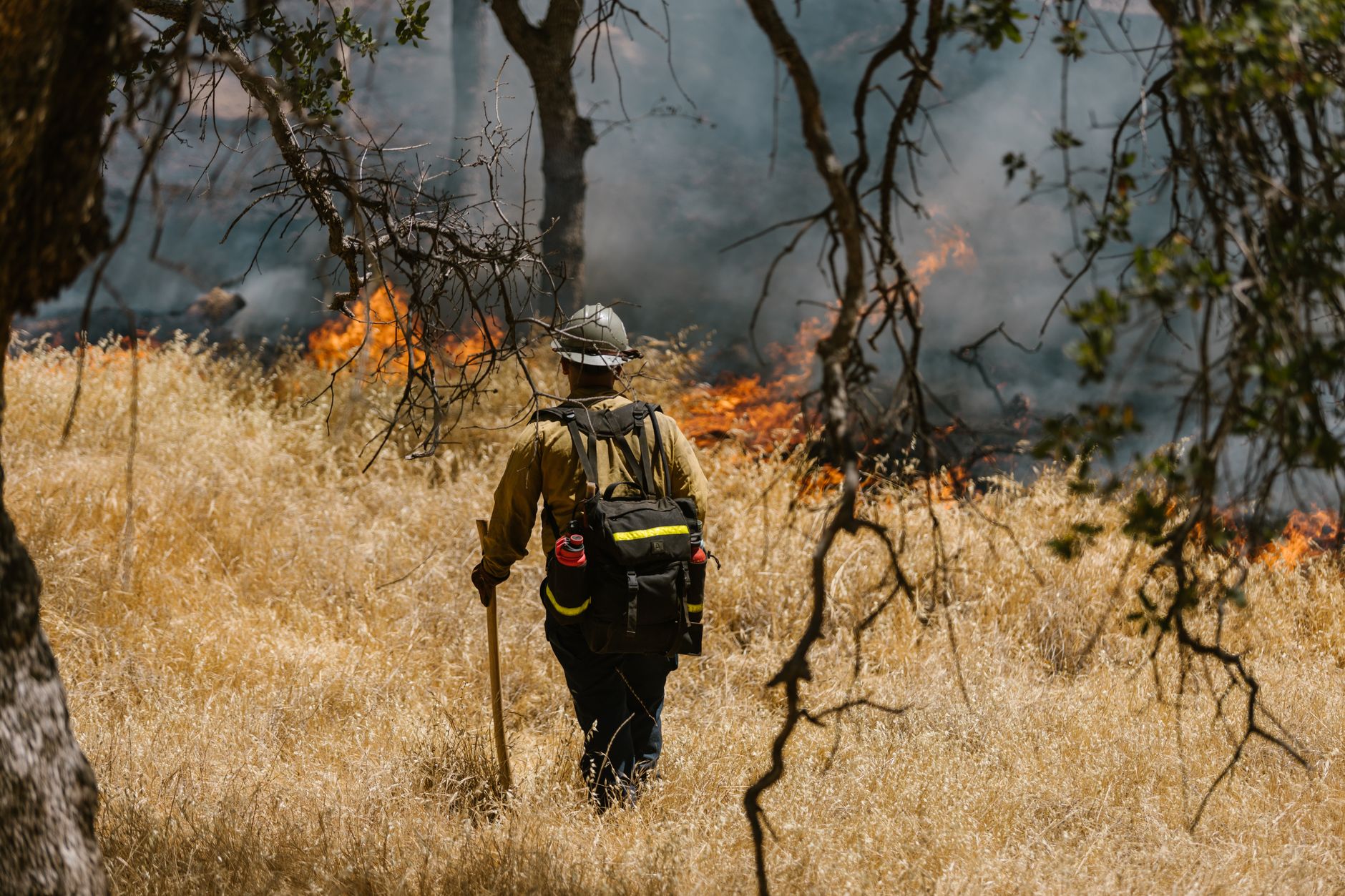
France expected two water bombers from Croatia, two aircraft from Portugal and heavy-lift Black Hawk helicopters from the Czech Republic and Slovakia. European Commission President Ursula von der Leyen said aircraft and helicopters from the European rescue fleet were being deployed to both countries.
The international response allowed French and Spanish commanders to rotate aircraft, cover multiple fronts and maintain operations despite the exceptional scale of the emergency. It also demonstrated the importance of shared European firefighting capacity during periods when several countries can face severe fire conditions at the same time.
Reports on casualties varied as the emergency continued to develop. No civilian deaths had been reported in connection with the principal fires by Saturday. AFP-linked reporting said two French firefighters had died earlier in the week near Bordeaux, while dozens of firefighters were reported injured in France.
Damage assessments remained preliminary because emergency teams could not safely enter many burned areas. Authorities warned residents not to return without permission, even where visible flames had subsided. Smouldering ground, damaged power lines, unstable buildings, falling trees and renewed ignition remained serious risks.
The evacuation total included people who may be able to return relatively quickly as well as those facing longer displacement. In coastal France, the affected population contained many tourists whose accommodation, vehicles and travel routes had been disrupted. In suburban and rural communities near Bordeaux and Madrid, residents faced uncertainty over homes, livestock, businesses and local infrastructure.
Transport disruption was expected to continue while roads remained reserved for emergency traffic or closed by fire activity. France allowed affected rail passengers to change some journeys without charge, while local officials sought to prevent holiday traffic from obstructing access to the Gironde fire zone.
The fires also threatened economic activity in regions heavily dependent on tourism, agriculture and forestry. Arcachon Bay and Cap Ferret are major summer destinations, while Gironde is internationally associated with wine production. Authorities had not announced a comprehensive estimate of economic losses by Saturday.
Attention remained focused on wind conditions. Lower temperatures and occasional rain offered limited relief, but commanders in both countries said containment depended on whether winds remained moderate. A renewed increase could carry embers across firebreaks and push flames toward previously unaffected settlements.
Officials therefore maintained evacuation orders even in areas where the fire appeared less intense. The objective was to keep residents away from unstable fronts and allow emergency crews to work without having to conduct last-minute rescues.
European climate assessments have repeatedly identified the continent as warming faster than the global average. Scientists have linked rising temperatures and more frequent drought conditions with longer periods of extreme wildfire danger. Climate change does not by itself ignite individual fires, but it can create hotter and drier conditions in which fires spread more rapidly and become harder to suppress.
The events in France and Spain also illustrated the growing exposure of urban fringes to wildfire. The Gironde fire threatened suburbs of a major metropolitan area, while the Spanish blazes spread through communities within reach of Madrid. Expansion into forested landscapes and the increasing intensity of extreme weather are complicating traditional distinctions between rural wildfire management and urban civil defence.
By late Saturday, emergency officials in both countries reported that some fronts had weakened but had not been brought under control. Firefighters continued aerial drops and ground operations, shelters remained open, and authorities prepared for further evacuations if winds shifted.
For the 267,000 people ordered to leave, the immediate timetable for returning depended on local fire behaviour, road safety and inspections of utilities and buildings. National authorities said protection of life would remain the overriding priority, with evacuation orders to stay in force until commanders judged affected communities safe.
Leave a Reply